

Role of Soft Tissue Therapy in Musculoskeletal Recovery
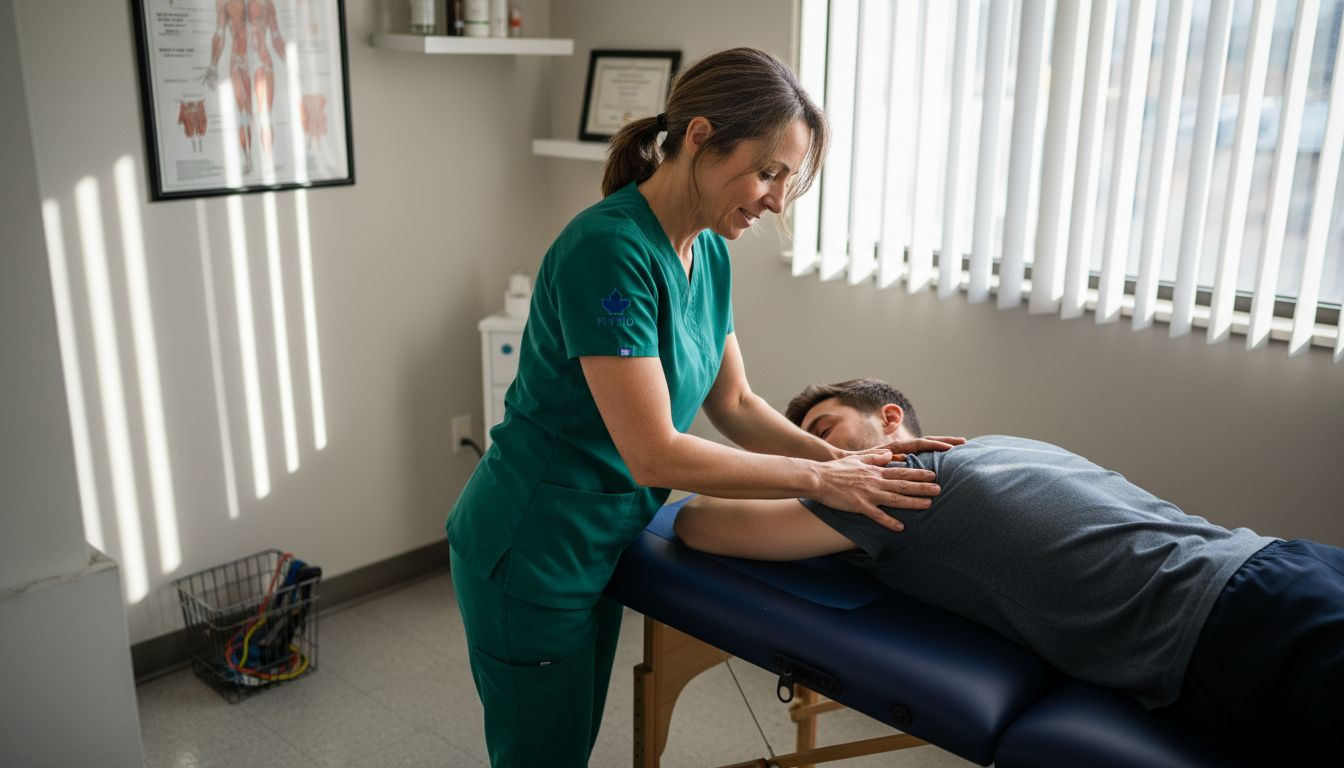
Most active people in Ottawa face muscle pain or stiffness at some point, and over 60 percent of athletes turn to evidence-based therapies for faster recovery. Whether you train for a Canadian marathon or hit the gym regularly, effective soft tissue therapy can mean the difference between lingering discomfort and a quick return to peak performance. This guide explores what makes Canadian soft tissue therapy unique and how it can support your recovery, flexibility, and overall musculoskeletal health.
Table of Contents
Key Takeaways
Point | Details |
Specialised Healthcare Approach | Soft tissue therapy uses targeted manual interventions to address musculoskeletal conditions in Canada, enhancing recovery and reducing pain. |
Diverse Techniques | The therapy includes various techniques such as myofascial release and trigger point therapy, tailored to individual patient needs for effective healing. |
Enhanced Recovery Outcomes | Soft tissue therapy significantly improves muscle activity, flexibility, and pain reduction, supporting both acute and chronic conditions. |
Safety and Professional Standards | Canadian practitioners adhere to rigorous training and safety protocols, ensuring effective treatment while prioritising patient well-being. |
Defining Soft Tissue Therapy in Canada
Soft tissue therapy represents a specialized healthcare approach designed to address musculoskeletal conditions through targeted manual interventions. Techniques focused on manipulating soft tissue structures aim to restore optimal function, reduce pain, and enhance recovery outcomes across various patient populations in the Canadian healthcare landscape.
In the Canadian context, soft tissue therapy encompasses a comprehensive range of manual techniques targeting muscles, fascia, tendons, and ligaments. Practitioners employ methods like myofascial release, muscle energy techniques, and advanced massage protocols to address biomechanical imbalances and promote tissue healing. These interventions go beyond traditional massage by integrating precise assessment, strategic manipulation, and rehabilitation strategies tailored to individual patient needs.
The therapeutic approach involves systematically evaluating soft tissue dysfunction through advanced palpation skills, movement assessments, and understanding the intricate relationships between muscular structures. Soft tissue therapists in Canada are trained to identify compensatory movement patterns, trigger points, and areas of restricted mobility. By applying targeted pressure, stretching techniques, and neuromuscular re-education strategies, they help patients restore optimal tissue flexibility, reduce chronic tension, and improve overall musculoskeletal performance.
Pro tip: When seeking soft tissue therapy, request a comprehensive initial assessment to ensure your treatment plan addresses the root cause of your musculoskeletal concerns rather than just managing surface-level symptoms.
Types and Techniques of Soft Tissue Therapy
Soft tissue therapy encompasses a diverse array of manual techniques designed to address musculoskeletal challenges through targeted interventions. Various therapeutic approaches are selected based on specific patient assessments and identified soft tissue dysfunctions, ensuring a personalised treatment strategy that addresses individual healing requirements.
The primary techniques in soft tissue therapy include myofascial release, which targets fascial restrictions and improves tissue mobility, and trigger point therapy that focuses on releasing tight muscle knots causing referred pain patterns. Manual therapy interventions for pain relief often integrate techniques like deep tissue manipulation, neuromuscular therapy, and strategic stretching to restore optimal musculoskeletal function. Advanced practitioners may also employ specialized methods such as active release techniques, instrument-assisted soft tissue mobilization, and precision massage protocols.

Canadian soft tissue therapists typically employ a comprehensive assessment approach that combines palpation skills, movement analysis, and detailed patient history to determine the most appropriate intervention. These techniques range from gentle, low-load manipulations suitable for acute injuries to more intensive, deep-tissue approaches addressing chronic musculoskeletal conditions. The goal remains consistent: restoring tissue health, reducing pain, improving biomechanical function, and supporting the body’s natural healing mechanisms.
For a quick overview, here is a summary of major soft tissue therapy techniques and their primary therapeutic targets:
Technique | Target Tissue | Primary Benefit |
Myofascial Release | Fascia | Improves tissue flexibility |
Trigger Point Therapy | Muscle knots | Reduces referred pain |
Neuromuscular Therapy | Muscles/Nerves | Restores muscle function |
Instrument-Assisted Mobilization | Ligaments/Tendons | Stimulates tissue healing |
Precision Massage | Specific muscles | Relieves chronic tension |
Pro tip: Before beginning any soft tissue therapy treatment, communicate your complete medical history and current pain levels to ensure the most appropriate and safe therapeutic approach.
Therapeutic Effects on Musculoskeletal Recovery
Comprehensive systematic research demonstrates soft tissue therapy’s significant impact on musculoskeletal recovery, revealing multiple physiological mechanisms that support healing and functional restoration. The therapeutic interventions work at cellular and systemic levels to address both acute and chronic musculoskeletal conditions, providing patients with targeted rehabilitation strategies that go beyond traditional pain management approaches.
The primary therapeutic effects include enhanced muscle activity, improved flexibility, and pain reduction. Soft tissue therapy achieves these outcomes through precise mechanical manipulations that stimulate tissue repair processes, increase local blood circulation, and reduce neuromuscular tension. Manual therapy techniques play a critical role in supporting musculoskeletal health by addressing underlying biomechanical dysfunctions that contribute to persistent pain and limited mobility.
Research indicates that soft tissue therapy produces measurable improvements across multiple physiological domains. These include correcting movement pattern irregularities, reducing inflammation, promoting collagen remodelling, and supporting the body’s natural healing mechanisms. By targeting specific soft tissue structures, practitioners can help patients restore functional movement, accelerate recovery timelines, and prevent potential future injuries through comprehensive rehabilitation strategies.
Pro tip: Track your recovery progress systematically by maintaining a detailed journal documenting pain levels, mobility improvements, and functional changes throughout your soft tissue therapy treatment.
Evidence-Based Benefits for Active People
Scientific literature demonstrates compelling evidence for soft tissue therapy’s significant benefits in supporting athletic performance and recovery, highlighting its critical role in musculoskeletal health for active individuals. Athletes and fitness enthusiasts can leverage these targeted interventions to optimize physical function, prevent injuries, and accelerate rehabilitation processes.
The primary evidence-based benefits for active people include enhanced range of motion, reduced muscle tension, and improved circulatory dynamics. Soft tissue therapy provides athletes with strategic interventions that address biomechanical limitations, helping to mitigate potential performance restrictions and minimize injury risks. Sports physiotherapy techniques play a crucial role in comprehensive athletic care, offering targeted approaches that support both preventative maintenance and targeted rehabilitation.
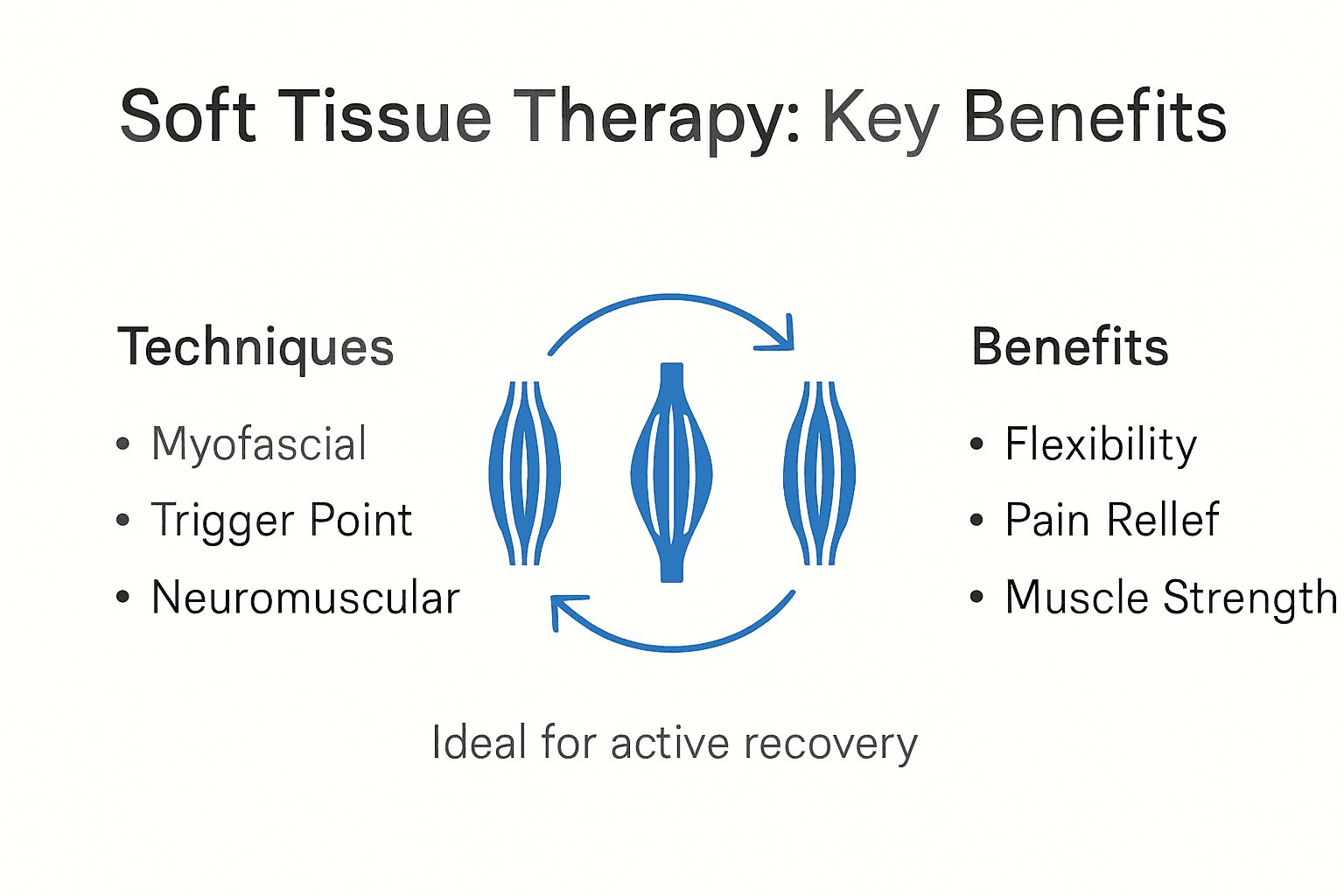
Active individuals benefit from soft tissue therapy’s multifaceted approach to musculoskeletal health. The therapeutic techniques not only address immediate physical concerns but also contribute to long-term athletic performance by promoting tissue resilience, improving neuromuscular coordination, and supporting the body’s natural healing mechanisms. By integrating these evidence-based interventions, athletes can develop more robust, adaptive physical systems that respond more effectively to training stresses and competitive demands.
Pro tip: Incorporate soft tissue therapy as a proactive component of your training regimen, scheduling regular sessions to maintain optimal muscle function and prevent potential injury development.
Risks, Safety, and Professional Standards
Professional standards in Canadian soft tissue therapy emphasize rigorous training and comprehensive safety protocols to protect patient well-being and ensure therapeutic effectiveness. Understanding the potential risks and safety considerations is crucial for patients seeking musculoskeletal interventions, as it enables informed decision-making and promotes responsible healthcare engagement.
The primary safety considerations in soft tissue therapy involve thorough patient assessment, identification of potential contraindications, and precise application of therapeutic techniques. Contraindications may include acute inflammatory conditions, certain cardiovascular disorders, recent surgical interventions, and specific soft tissue injuries that require alternative treatment approaches. Professional practitioners are extensively trained to conduct comprehensive health screenings and modify treatment strategies to address individual patient vulnerabilities and minimize potential adverse responses.
Canadian healthcare regulations mandate stringent professional standards for soft tissue therapy practitioners. These standards require practitioners to maintain current certifications, pursue ongoing professional development, and demonstrate comprehensive understanding of anatomical, physiological, and biomechanical principles. Preventive physiotherapy approaches play a critical role in managing potential treatment risks by implementing systematic assessment protocols and developing individualized treatment plans that prioritize patient safety and therapeutic outcomes.
The following table compares potential risks with professional safeguards in Canadian soft tissue therapy practice:
Potential Risk | Practitioner Safeguard | Patient Responsibility |
Treating acute inflammation | Conduct full health screening | Disclose recent injuries |
Exacerbating cardiovascular disorders | Modify technique, avoid contraindications | Share cardiac history |
Excess pressure on healing tissues | Adjust pressure, monitor feedback | Communicate comfort level |
Missed complications | Ongoing professional development | Report all symptoms promptly |
Pro tip: Always disclose your complete medical history and current health conditions to your soft tissue therapy practitioner, enabling them to develop the safest and most effective treatment approach for your specific needs.
Experience Effective Musculoskeletal Recovery with Expert Soft Tissue Therapy
Struggling with persistent muscle tension, restricted movement, or chronic pain from soft tissue injuries can be discouraging. The article highlights how targeted soft tissue therapy techniques like myofascial release and trigger point therapy play a critical role in restoring function and accelerating healing. If you want to overcome these challenges and reclaim your active lifestyle, accessing comprehensive care is essential.
At Integrate Physiotherapy and Wellness, our team-based approach combines physiotherapy, massage therapy, and pain and injury medicine to deliver evidence-based soft tissue therapy tailored to your needs. We focus on precise assessments and coordinated treatment plans designed to reduce pain, improve flexibility, and support your musculoskeletal recovery. Taking this step now prevents minor issues from becoming ongoing limitations.
Ready to take control of your recovery journey? Visit Integrate Physiotherapy and Wellness to book your initial assessment and experience trusted expert care in Ottawa and Carleton Place. Your path to enduring musculoskeletal health starts with a single appointment.
Frequently Asked Questions
What is soft tissue therapy?
Soft tissue therapy is a specialized healthcare approach that uses targeted manual interventions to address musculoskeletal conditions by manipulating soft tissue structures such as muscles, fascia, tendons, and ligaments.
How does soft tissue therapy help with recovery?
Soft tissue therapy promotes recovery by enhancing muscle activity, improving flexibility, reducing pain, and stimulating tissue repair processes through precise mechanical manipulations that increase blood circulation and reduce neuromuscular tension.
What types of techniques are used in soft tissue therapy?
Common techniques in soft tissue therapy include myofascial release, trigger point therapy, neuromuscular therapy, and instrument-assisted mobilization, all designed to address specific soft tissue dysfunctions and improve overall musculoskeletal health.
Are there any risks associated with soft tissue therapy?
Yes, potential risks include exacerbating existing conditions and applying excessive pressure on healing tissues. Professional practitioners conduct thorough assessments and adjust techniques to prioritize patient safety and effectiveness in treatment.
Recommended
Comments