

Role of Manual Therapy in Musculoskeletal Care
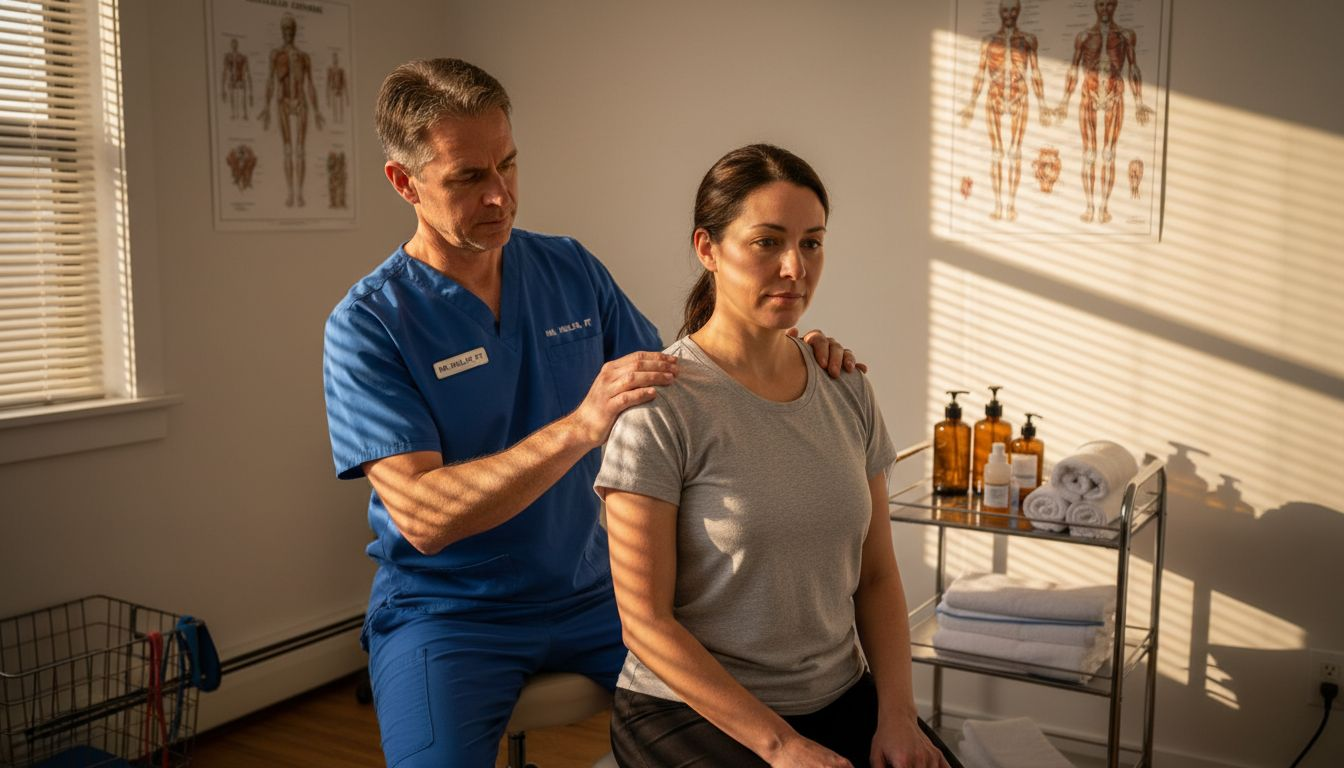
Over 60 percent of patients report faster recovery from pain when manual therapy is part of their treatment plan. For many Canadian families, understanding the difference between hands-on therapy and other methods is crucial when managing musculoskeletal challenges. Misconceptions around manual therapy often cause unnecessary worry, but learning what these therapies actually involve could open doors to safer, more effective care and improved long-term results.
Table of Contents
Key Takeaways
Point | Details |
Manual Therapy Defined | Manual therapy is a hands-on approach tailored to treat musculoskeletal conditions through individualized techniques. |
Common Misconceptions | Manual therapy is often misunderstood as aggressive; it actually relies on gentle mobilizations to promote healing. |
Clinical Applications | It effectively addresses various issues like chronic pain and sports injuries by restoring movement and function. |
Regulatory Standards | In Canada, manual therapy is regulated to ensure safety and competency among practitioners, highlighting the importance of verifying credentials. |
Defining Manual Therapy and Common Misconceptions
Manual therapy represents a sophisticated, hands-on approach to treating musculoskeletal conditions that goes far beyond simplistic physical manipulation. Hands-on techniques involve skilled, precise movements designed to diagnose, assess, and treat soft tissue and joint structures with remarkable precision.
Contrary to popular belief, manual therapy is not about forceful adjustments or causing discomfort. Instead, it encompasses a nuanced range of gentle mobilizations tailored to individual patient needs. Practitioners use carefully applied pressure, stretching, and joint manipulation techniques that aim to restore optimal movement, reduce pain, and improve overall functional capacity. The McKenzie Method, for instance, integrates both hands-on interventions and self-treatment strategies that empower patients in their own healing process.
Common misconceptions about manual therapy often stem from a lack of understanding about its complexity and therapeutic depth. Many people assume these techniques are uniform or aggressive, when in reality, they represent a highly individualized approach that considers each patient’s unique musculoskeletal condition. Comprehensive assessment techniques help practitioners determine the most appropriate intervention, taking into account not just physical symptoms but also psychological and social factors that influence healing.
Pro Tip - Patient Education: Always discuss the specific manual therapy approach with your healthcare provider, asking about expected sensations, potential outcomes, and how the technique will address your unique musculoskeletal concerns.
Major Manual Therapy Techniques Explained
Manual therapy encompasses a diverse range of sophisticated techniques designed to address musculoskeletal challenges through precise, targeted interventions. Joint mobilization and manipulation techniques represent foundational approaches that practitioners use to restore movement, reduce pain, and improve overall functional capacity.
Three primary manual therapy techniques stand out for their effectiveness and versatility. Joint mobilization involves carefully controlled passive movements that gently stretch joint structures, helping restore range of motion and alleviate stiffness. Soft tissue mobilization targets muscles, ligaments, and connective tissues through strategic pressure and stretching, breaking down adhesions and promoting healing. Strain-counterstrain represents a gentler approach, focusing on positioning the body to release muscle tension and interrupt pain signals, making it particularly effective for patients experiencing acute discomfort.
Each manual therapy technique requires extensive training and a nuanced understanding of human anatomy. Physiotherapists and chiropractors assess individual patient needs, selecting techniques that address specific musculoskeletal conditions. Targeted massage and manipulation strategies can help manage conditions ranging from chronic back pain to sports-related injuries, demonstrating the adaptability and precision of these therapeutic interventions.
Pro Tip - Personalized Assessment: Always consult a registered manual therapy professional who can conduct a comprehensive assessment and design a treatment plan tailored specifically to your unique musculoskeletal condition and recovery goals.
Here is a summary of major manual therapy techniques and their specific clinical benefits:
Technique | Primary Focus | Common Clinical Uses | Notable Benefits |
Joint Mobilization | Gentle joint movement | Osteoarthritis, stiffness, sprains | Restores range of motion |
Soft Tissue Mobilization | Muscle and fascia manipulation | Tendinitis, scar tissue, tightness | Breaks adhesions, reduces tension |
Strain-Counterstrain | Positioning to ease discomfort | Acute muscle pain, spasms | Alleviates pain, relaxes muscles |
Clinical Applications for Pain and Recovery
Manual therapy represents a powerful clinical approach for addressing complex musculoskeletal pain and promoting comprehensive recovery. Physiotherapy interventions offer targeted strategies that help patients overcome chronic pain, restore functional movement, and accelerate healing across diverse clinical conditions.
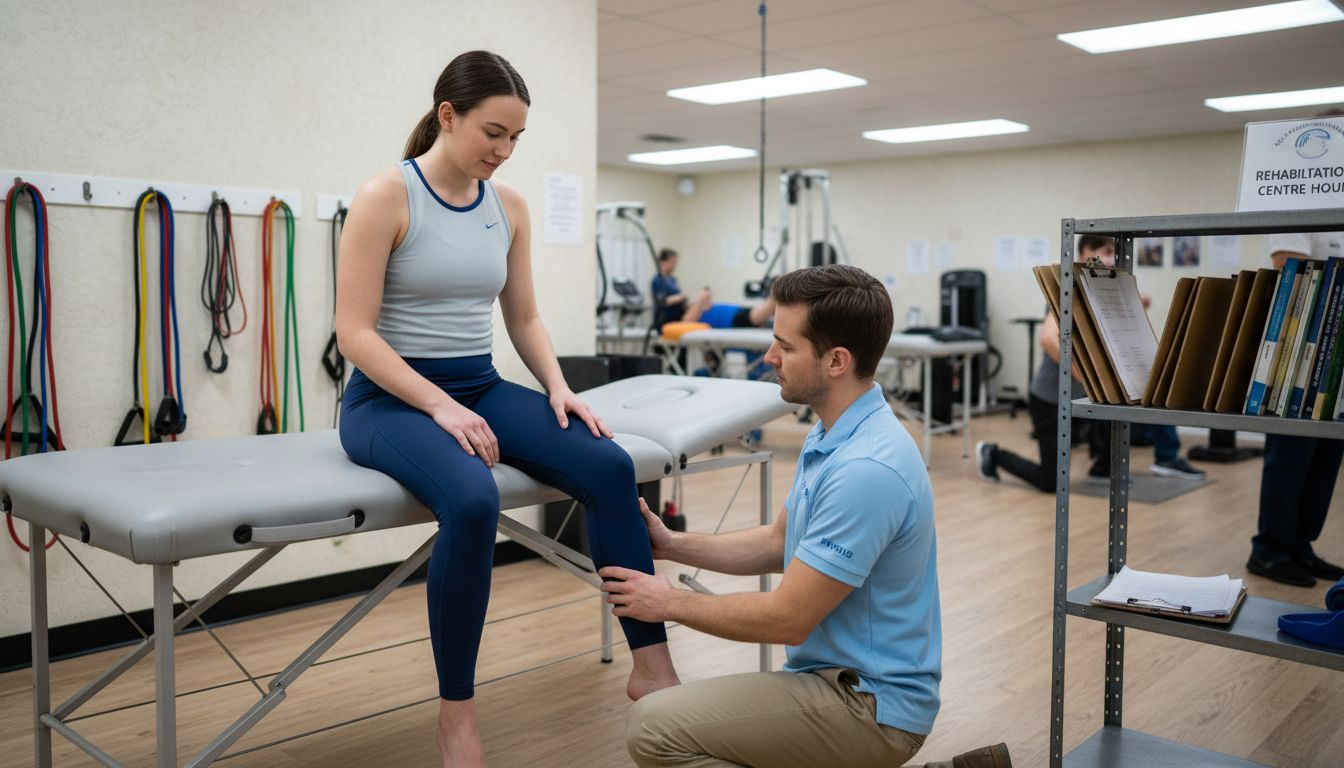
Clinical applications of manual therapy span a wide range of musculoskeletal challenges, from acute sports injuries to chronic pain syndromes. Practitioners systematically assess individual patient needs, developing customized treatment plans that may include joint mobilization, soft tissue manipulation, and rehabilitative exercises. For individuals experiencing lower back pain, neck tension, or repetitive strain injuries, manual therapy techniques can provide significant relief by reducing inflammation, improving joint mobility, and retraining muscular movement patterns.
Understanding the nuanced approach of manual therapy requires recognizing its holistic nature. Chiropractic care techniques complement traditional physiotherapy methods, offering comprehensive treatment strategies that address both immediate pain symptoms and underlying biomechanical dysfunctions. By integrating hands-on manipulation, targeted exercises, and patient education, healthcare professionals can develop multifaceted recovery protocols that support long-term musculoskeletal health and functional restoration.
Pro Tip - Integrated Recovery: Always seek healthcare professionals who offer comprehensive, multidisciplinary approaches to pain management, ensuring your treatment plan addresses both immediate symptoms and long-term functional rehabilitation.
Safety, Regulation, and Provider Qualifications in Canada
Manual therapy in Canada is governed by rigorous professional standards designed to protect patient safety and ensure high-quality healthcare delivery. Advanced practitioner certification programs establish comprehensive guidelines that healthcare professionals must meet, guaranteeing patients receive evidence-based, scientifically supported treatments from qualified specialists.
Healthcare providers specializing in manual therapy must complete extensive educational and professional training. For physiotherapists, this includes obtaining advanced credentials like the Fellow of the Canadian Academy of Manipulative Physiotherapy (FCAMPT), which demonstrates mastery of complex manual treatment techniques. Manual osteopathic therapy programs provide additional comprehensive training, focusing on holistic assessment and treatment strategies that address whole-body mechanical dysfunction.
Regulatory bodies in Canada maintain strict oversight of manual therapy practitioners. Professional colleges for physiotherapy, chiropractic, and osteopathic medicine establish detailed practice standards, ongoing education requirements, and ethical guidelines. These regulations ensure practitioners remain current with emerging research, maintain high clinical competence, and prioritize patient safety through consistent professional development and accountability.
Pro Tip - Professional Verification: Always confirm a practitioner’s credentials by checking their registration with provincial regulatory bodies and requesting information about their specific training and specialization in manual therapy techniques.
Manual Therapy Versus Other Treatment Approaches
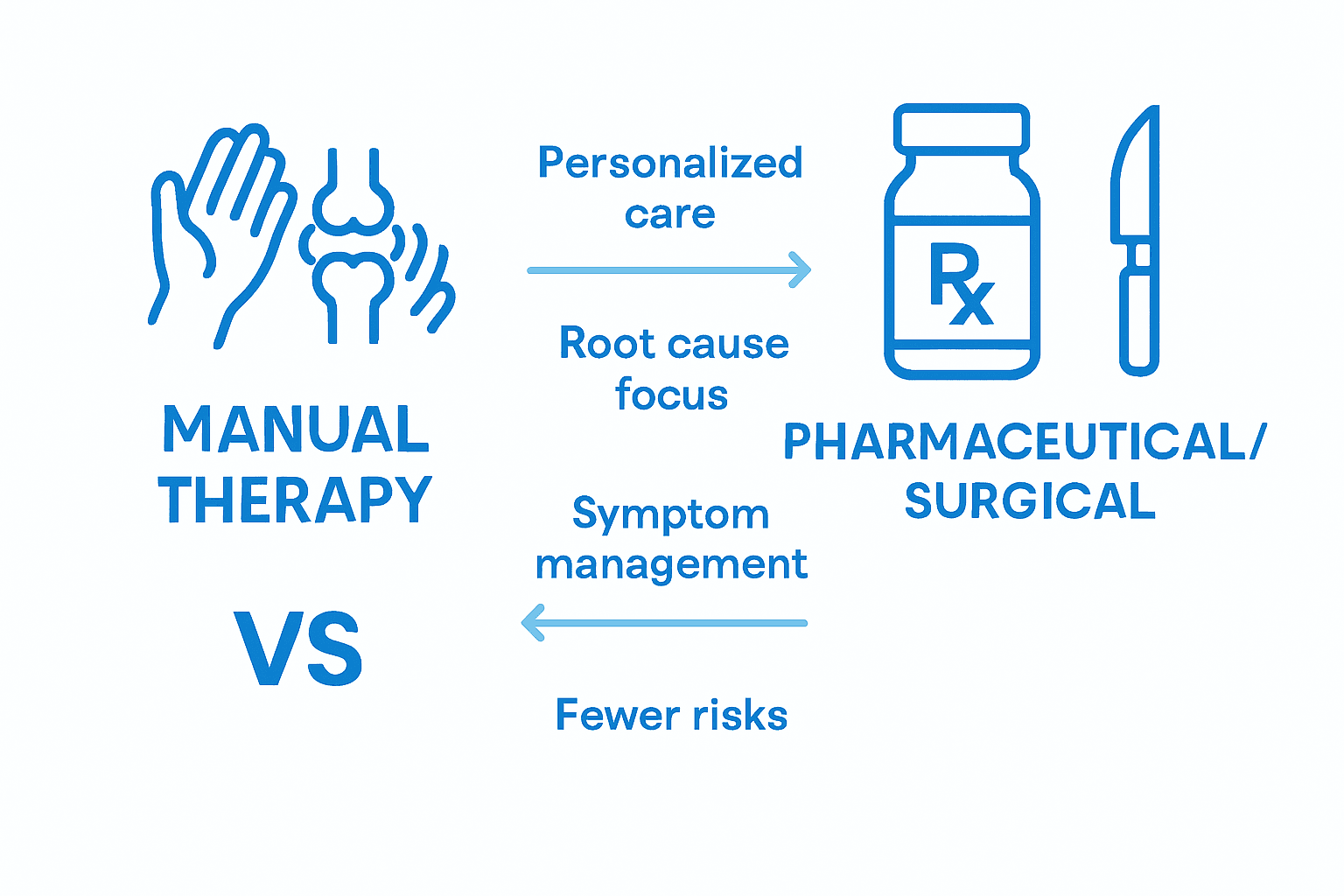
Manual therapy distinguishes itself from traditional medical interventions through its patient-centred, holistic approach to healing. Non-invasive treatment techniques offer a comprehensive alternative to pharmaceutical and surgical interventions, focusing on addressing root causes of musculoskeletal dysfunction rather than merely managing symptoms.
Unlike pharmaceutical treatments that often provide temporary relief, manual therapy seeks to restore natural body mechanics and promote long-term healing. While pain medications typically mask discomfort and surgical interventions can involve significant recovery periods, manual therapy techniques work directly with the body’s inherent healing mechanisms. Patient-driven rehabilitation strategies empower individuals to participate actively in their recovery, teaching self-management techniques that extend beyond clinical treatment sessions.
Traditional medical approaches frequently rely on standardized protocols, whereas manual therapy offers personalized treatment plans tailored to individual biomechanical patterns and specific musculoskeletal challenges. This approach considers the interconnected nature of bodily systems, recognizing that pain or dysfunction in one area can significantly impact overall physical performance. By integrating hands-on techniques, movement assessment, and patient education, manual therapy provides a more comprehensive and nuanced approach to musculoskeletal health.
The following table highlights key differences between manual therapy and conventional treatment approaches:
Aspect | Manual Therapy | Pharmaceutical/Surgical Treatments |
Treatment Focus | Root cause & mechanics | Symptom management |
Invasiveness | Non-invasive, hands-on | Medications or surgery |
Patient Involvement | High, active participation | Usually passive, less patient control |
Duration of Relief | Aims for lasting outcomes | Relief often temporary |
Pro Tip - Treatment Selection: Always consult multiple healthcare professionals to understand the full spectrum of treatment options, ensuring you choose an approach that aligns with your specific health goals and individual physiological needs.
Discover Effective Manual Therapy Solutions for Your Musculoskeletal Health
Struggling with persistent pain or limited movement from musculoskeletal issues can be frustrating. The article highlights key challenges like restoring joint mobility, reducing muscle tension, and overcoming chronic discomfort through targeted manual therapy techniques such as joint mobilization and soft tissue manipulation. These specialized hands-on methods address root causes rather than just symptoms, supporting lasting recovery and improved function.
At Integrate Ottawa, our team-based approach combines evidence-based physiotherapy and chiropractic care to personalize your treatment and help you regain optimal movement. We understand the importance of comprehensive assessments and individualized plans that align perfectly with your unique needs and recovery goals.
Take the first step towards reclaiming your musculoskeletal health today. Book a consultation with our experienced professionals and experience how expert manual therapy combined with supportive care can transform your path to wellness. Visit Integrate Ottawa now to schedule your appointment and start feeling better with care designed specifically for you.
Frequently Asked Questions
What is manual therapy and how is it applied in musculoskeletal care?
Manual therapy is a hands-on approach to treating musculoskeletal conditions that involves skilled, precise movements for diagnosis, assessment, and treatment of soft tissue and joints. It aims to restore optimal movement, reduce pain, and improve functional capacity through various techniques such as joint mobilization and soft tissue manipulation.
How does manual therapy differ from traditional medical treatments?
Manual therapy focuses on addressing the root causes of musculoskeletal dysfunction rather than merely managing symptoms. Unlike pharmaceutical treatments that often provide temporary relief, manual therapy aims for lasting outcomes by restoring natural body mechanics and promoting long-term healing through non-invasive techniques.
What are the common techniques used in manual therapy?
Major techniques in manual therapy include joint mobilization, soft tissue mobilization, and strain-counterstrain. Each technique is tailored to individual patient needs and is effective for various conditions such as chronic pain, stiffness, and acute injuries.
Are there any safety considerations when undergoing manual therapy?
Yes, safety in manual therapy is governed by strict professional standards and regulations. It’s crucial to choose qualified practitioners who have completed relevant training and hold the necessary certifications to ensure that treatment is safe and evidence-based.
Recommended
Comments