

Role of Rehabilitation in Sports – Enhancing Recovery and Performance
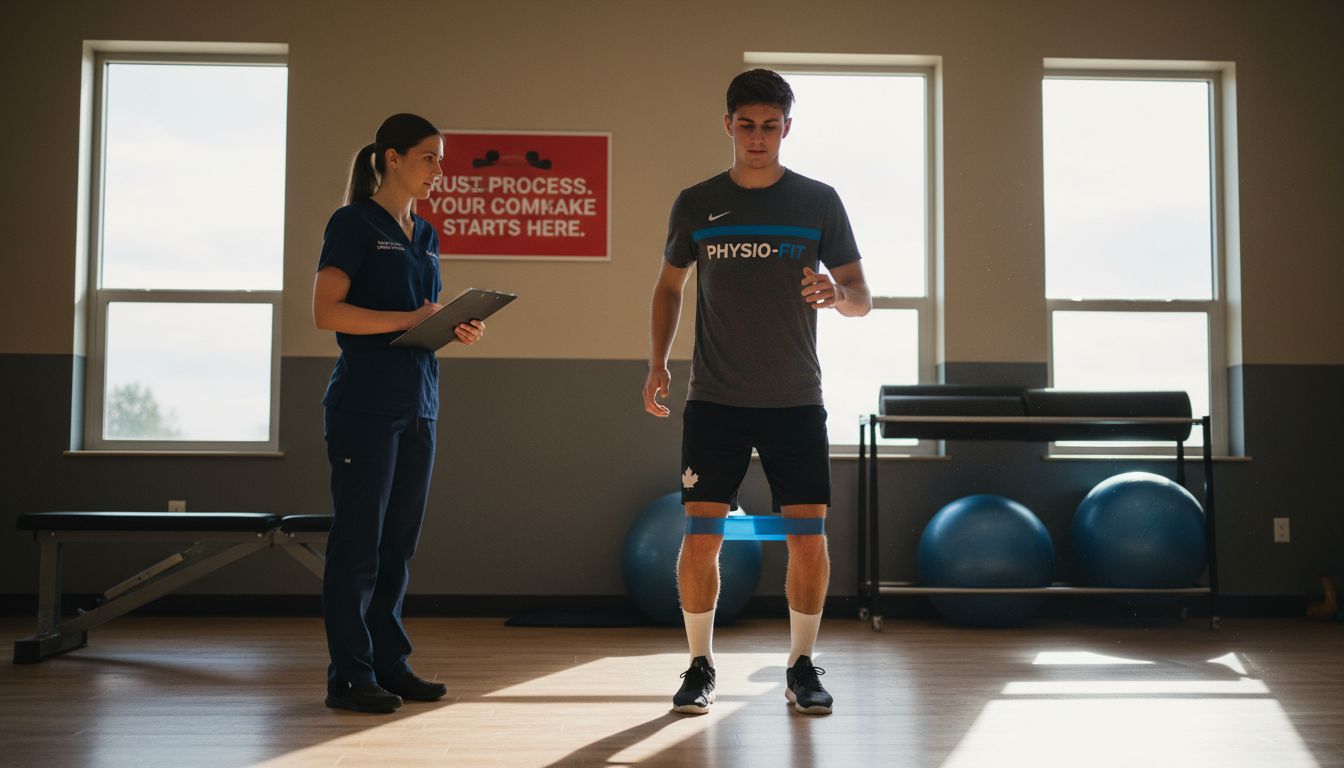
Over 90 percent of Canadian athletes experience a significant sports injury during their career, leading many to seek specialized rehabilitation to regain strength and confidence. Whether you are a weekend runner or a professional hockey player, understanding how targeted rehabilitation impacts recovery can shape your athletic future. This guide explores the science behind Canadian sports rehabilitation, detailing methods that foster faster healing, injury prevention, and a safe return to action.
Table of Contents
Key Takeaways
Point | Details |
Holistic Approach to Rehabilitation | Sports rehabilitation employs a comprehensive model that encompasses physical, psychological, and medical interventions for athlete recovery. |
Tailored Rehabilitation Strategies | Rehabilitation approaches must be customized based on the type of sports injury, considering individual physical demands and healing potentials. |
Preventive and Performance Optimisation | Effective injury prevention and performance enhancement strategies include biomechanical assessments and progressive conditioning to reduce injury risks. |
Collaboration in Care | Interdisciplinary communication and evidence-based practices are essential for providing adaptive healthcare that evolves with athlete needs and scientific advancements. |
Defining Rehabilitation in Sports Medicine
Sports rehabilitation represents a comprehensive and strategic approach to healing and performance restoration for athletes experiencing injury or physical limitations. Sports rehabilitation is fundamentally the process of restoring an athlete to their previous level of performance following an injury or illness, involving a multi-disciplinary methodology that transcends traditional medical treatment.
At its core, sports rehabilitation combines physical, psychological, and medical interventions designed to address an athlete’s holistic recovery needs. The primary objectives include reducing pain, improving muscular strength, enhancing coordination, and minimizing potential re-injury risks. Rehabilitation and sports medicine are specialized medical disciplines focused on helping individuals recover strength, mobility, and balance after physical traumas, with a keen emphasis on restoring physical capabilities and athletic independence.
The rehabilitation process typically involves several critical components:
Comprehensive Assessment: Detailed evaluation of the athlete’s current physical condition
Targeted Intervention: Customized treatment plans addressing specific injury patterns
Progressive Conditioning: Gradual reintroduction of athletic movements and strength training
Psychological Support: Mental health strategies to maintain motivation and resilience
Prevention Education: Teaching techniques to reduce future injury probability
Successful sports rehabilitation demands an integrated approach, combining expertise from physiotherapists, sports medicine physicians, athletic therapists, and performance specialists. This collaborative model ensures that athletes receive nuanced, scientifically-grounded care that addresses both immediate recovery needs and long-term performance optimization.
Types of Sports Injuries and Rehab Approaches
Athletes encounter a diverse range of musculoskeletal injuries that require specialized rehabilitation strategies. The Canadian Institute of Sports Medicine treats various musculoskeletal and orthopedic injuries, ranging from complex joint conditions to acute muscle strains, highlighting the intricate nature of sports-related physical trauma.
Sports injuries can be categorized into several primary classifications, each demanding unique rehabilitation approaches:
Acute Traumatic Injuries
Sprains and ligament tears
Muscle and tendon strains
Fractures and dislocations
Concussions
Overuse and Repetitive Strain Injuries
Tendonitis
Stress fractures
Bursitis
Nerve compression syndromes
Contact and Collision Injuries
Joint dislocations
Soft tissue damage
Traumatic brain injuries
Compression injuries
Rehabilitation approaches must be meticulously tailored to each injury type, considering the athlete’s specific physical demands, sport-specific requirements, and individual healing potential. Physiotherapists and sports medicine professionals collaborate to design comprehensive recovery protocols that progressively restore strength, flexibility, and functional movement.
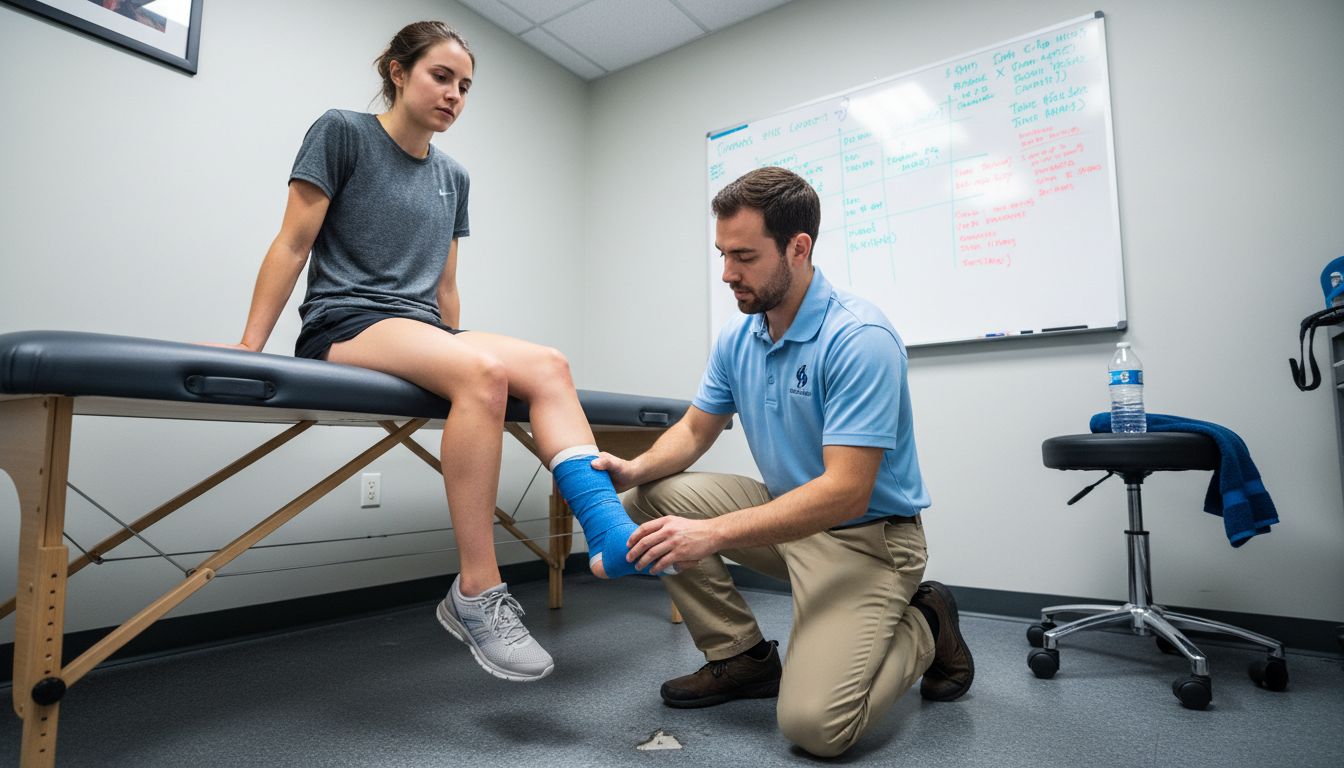
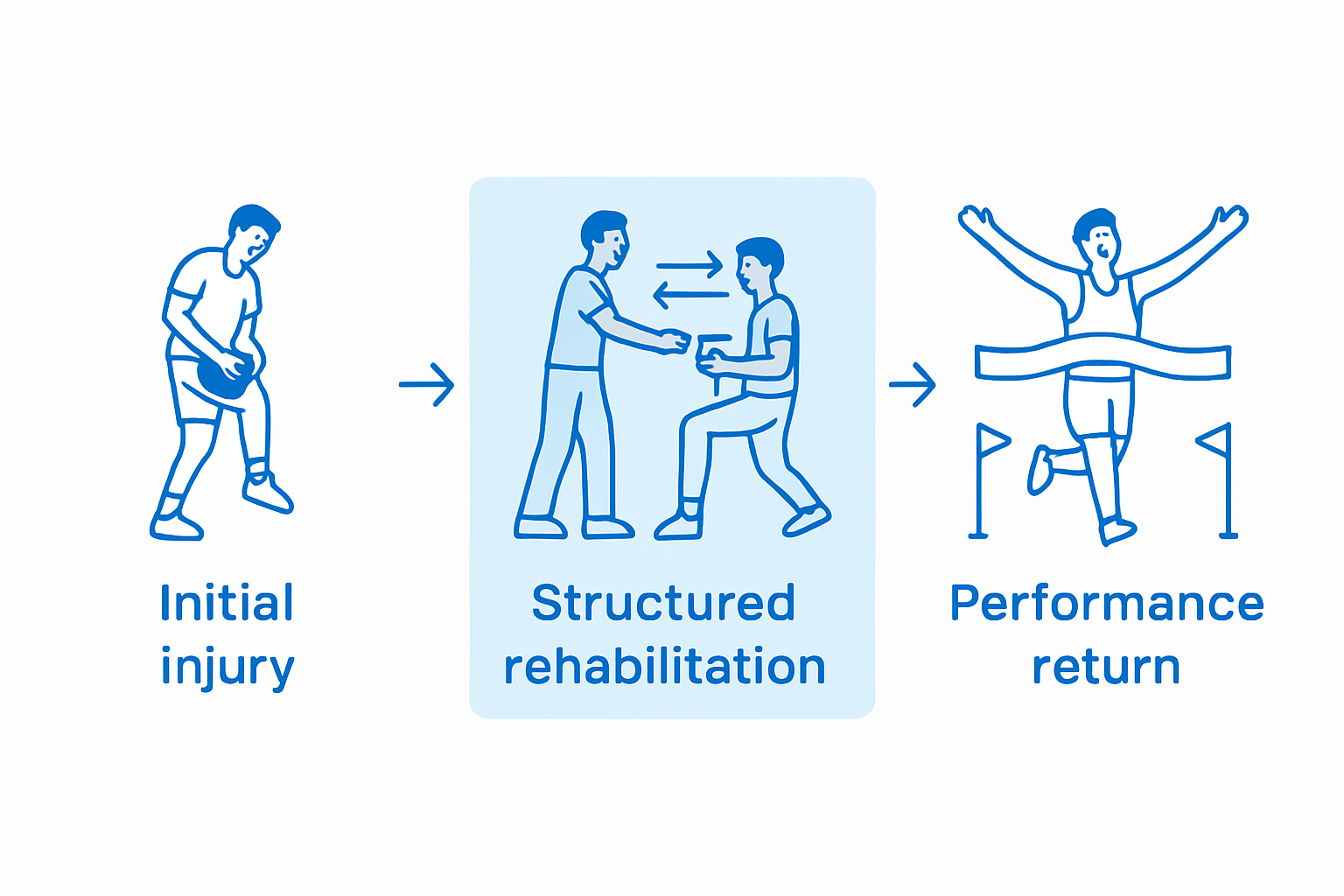
The rehabilitation process typically follows a structured progression: initial pain management and inflammation reduction, followed by gradual range of motion restoration, strength rebuilding, sport-specific conditioning, and ultimately, full return-to-play protocols. This systematic approach ensures athletes can safely and effectively return to peak performance while minimizing re-injury risks.
Key Therapies Used in Athletic Rehabilitation
Athletic rehabilitation encompasses a comprehensive suite of therapeutic interventions designed to restore an athlete’s physical function, mobility, and performance potential. The role of sports physiotherapy plays a critical foundation in developing targeted rehabilitation strategies that address the complex physiological challenges athletes face during recovery.
Key therapeutic approaches in athletic rehabilitation include:
Manual Therapy
Joint mobilization techniques
Soft tissue manipulation
Myofascial release
Trigger point therapy
Movement Retraining
Biomechanical assessment
Neuromuscular re-education
Functional movement screening
Corrective exercise prescription
Physical Modalities
Electrical stimulation
Ultrasound therapy
Heat and cold treatments
Laser therapy
Shockwave therapy
Each therapeutic intervention is carefully selected based on the specific injury type, athlete’s individual physiology, and rehabilitation stage. Physiotherapists and sports medicine professionals collaborate to design personalized treatment protocols that progressively restore strength, flexibility, and optimal movement patterns.
The ultimate goal of these therapeutic approaches extends beyond mere injury recovery. They aim to enhance an athlete’s overall biomechanical efficiency, reduce future injury risks, and facilitate a seamless return to peak athletic performance through systematic, evidence-based rehabilitation strategies.
Injury Prevention and Performance Optimization
Sports medicine rehabilitation emphasizes comprehensive approaches to injury prevention that go far beyond traditional treatment methodologies. By integrating proactive strategies, athletes can significantly reduce their susceptibility to potential injuries while simultaneously enhancing overall athletic performance.
Key strategies for injury prevention and performance optimization include:
Biomechanical Assessment
Movement pattern analysis
Posture and alignment evaluation
Muscular imbalance identification
Technique refinement
Strength and Conditioning
Progressive resistance training
Functional movement training
Core stability programs
Sport-specific conditioning
Recovery and Regeneration
Active recovery protocols
Sleep optimization techniques
Nutritional support strategies
Mental resilience training
Successful injury prevention requires a holistic approach that addresses physical, physiological, and psychological dimensions of athletic performance. Sports medicine professionals utilize advanced diagnostic tools and comprehensive assessment techniques to create individualized prevention strategies tailored to each athlete’s unique biomechanical profile and performance goals.
The ultimate objective extends beyond merely avoiding injuries. These optimization strategies aim to develop athletes who are not just resilient, but capable of consistently performing at peak levels while maintaining long-term physical health and minimizing potential performance-limiting factors.
Collaborative, Evidence-Based Care in Ottawa
Sports rehabilitation in Ottawa represents a sophisticated, integrated approach to healthcare that prioritizes comprehensive, patient-centred treatment strategies. Chiropractic care plays a pivotal role in developing collaborative treatment frameworks that address complex musculoskeletal challenges through multidisciplinary professional interactions.
Key principles of collaborative, evidence-based care include:
Interdisciplinary Communication
Regular professional consultations
Shared patient assessment protocols
Integrated treatment planning
Cross-disciplinary knowledge exchange
Evidence-Based Practice
Current research integration
Systematic outcome tracking
Continuous professional development
Advanced diagnostic techniques
Patient-Centred Approach
Personalized treatment strategies
Holistic health assessment
Individual performance goals
Comprehensive recovery planning
Successful collaborative care demands seamless communication between physiotherapists, chiropractors, athletic therapists, and sports medicine physicians. This integrated model ensures that athletes receive nuanced, scientifically-supported interventions that address both immediate rehabilitation needs and long-term performance optimization.
The ultimate objective of this collaborative framework is to provide comprehensive, adaptive healthcare that evolves with emerging scientific understanding, technological advancements, and individual athlete requirements. By prioritizing evidence-based methodologies and interdisciplinary cooperation, Ottawa’s sports rehabilitation professionals create a robust, responsive healthcare ecosystem dedicated to athlete wellness and peak performance.
Optimize Your Recovery with Expert Sports Rehabilitation Care
Injuries can disrupt your athletic goals and daily life. This article highlights the importance of a personalized and evidence-based rehabilitation approach that restores your strength, mobility, and reduces the risk of future injury. Whether you are facing acute trauma, overuse strain, or complex musculoskeletal challenges, understanding the role of collaborative care and targeted therapies is key to getting back to peak performance safely.
At Integrate Ottawa, our team specializes in combining physiotherapy, chiropractic care, and massage therapy to create tailored rehabilitation plans that address your unique needs. We focus on progressive conditioning, pain management, and injury prevention strategies that align with proven sports medicine principles. Our patient-centred and science-driven approach means you receive comprehensive support from experienced professionals dedicated to your recovery journey.
Take charge of your healing process with Ottawa’s trusted multidisciplinary clinic.
Expert Sports Rehabilitation Services
Ready to move beyond injury and reclaim your athletic potential? Book an appointment today at Integrate Ottawa and start your personalized rehabilitation plan backed by collaborative care and evidence-based treatments.
Frequently Asked Questions
What is the main purpose of sports rehabilitation?
Sports rehabilitation aims to restore an athlete’s previous level of performance following an injury or illness. It involves a multi-disciplinary approach that includes physical, psychological, and medical interventions to address holistic recovery needs.
What types of injuries are commonly treated in sports rehabilitation?
Common injuries include acute traumatic injuries such as sprains, strains, fractures, and concussions, as well as overuse injuries like tendonitis and stress fractures. Rehabilitation strategies are tailored to each injury type to ensure effective recovery.
How does injury prevention play a role in sports rehabilitation?
Injury prevention is a crucial aspect of sports rehabilitation. It involves strategies like biomechanical assessments, strength training, and recovery techniques to reduce susceptibility to injuries while enhancing overall athletic performance.
What are the key components of an effective rehabilitation process?
An effective rehabilitation process includes a comprehensive assessment of the athlete’s condition, targeted intervention with customized treatment plans, progressive conditioning, psychological support, and education on injury prevention techniques.
Recommended
Comments