

7 Types of Chiropractic Care for Pain Relief and Recovery
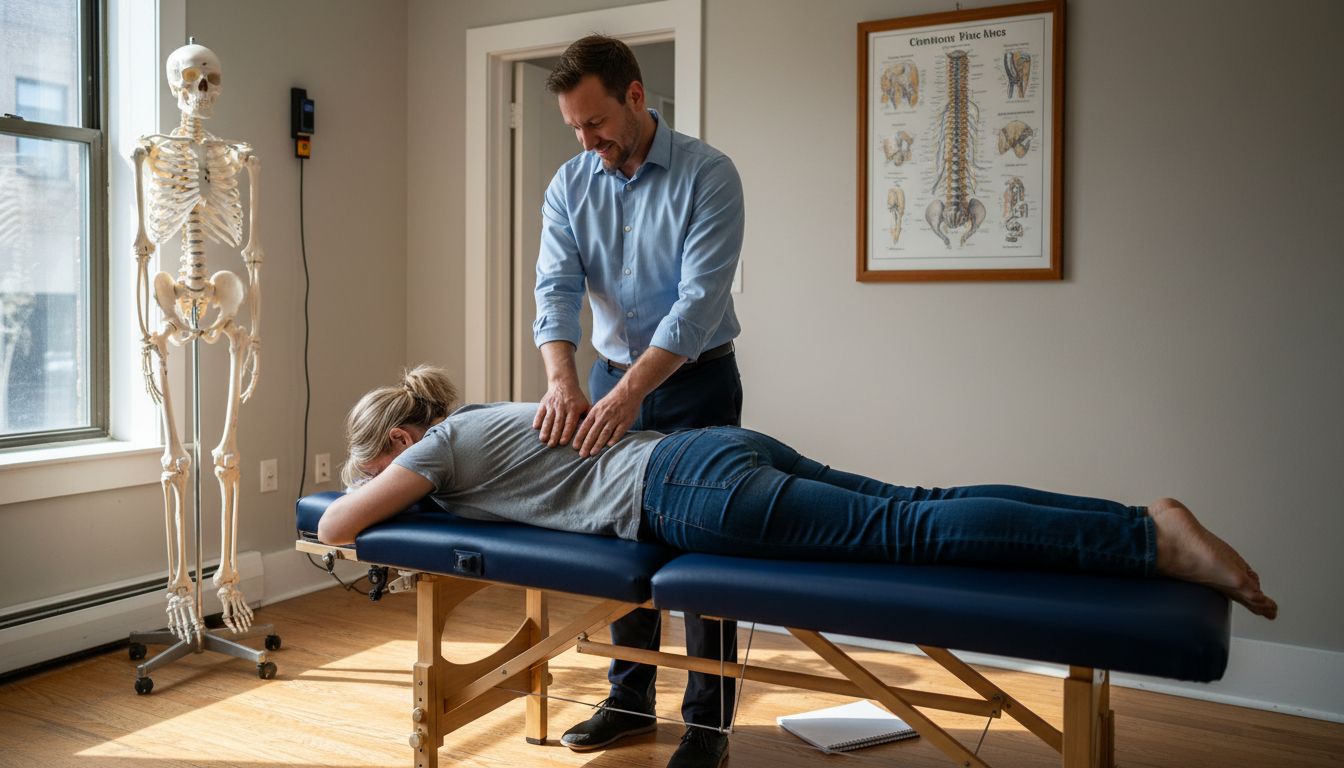
Back and neck pain are among the leading health complaints for Canadian adults, with nearly one in five experiencing discomfort daily. Chronic pain impacts not only physical movement but also sleep, work, and quality of life. Understanding effective options like spinal manipulation and targeted therapies can be a turning point for anyone seeking sustained relief. This guide drills down into proven chiropractic solutions, delivering practical insights you can trust.
Table of Contents
Quick Summary
Takeaway | Explanation |
1. Spinal manipulation alleviates pain | Effective for reducing back and neck pain through precise manual adjustments and tension relief. |
2. Soft tissue therapy enhances mobility | Targeted techniques can improve joint flexibility and accelerate muscle recovery by addressing underlying restrictions. |
3. Instrument-assisted techniques offer precision | Specialized tools provide targeted treatment for soft tissue injuries, enhancing accuracy and healing. |
4. Tailored rehabilitation exercises promote recovery | Customized exercises rebuild strength and mobility while preventing future injuries after musculoskeletal issues. |
5. Preventive chiropractic care maintains health | Focus on assessments and ergonomics helps identify and address issues early, ensuring long-term musculoskeletal wellness. |
1. Spinal Manipulation for Back and Neck Pain Relief
Spinal manipulation represents a powerful hands on technique chiropractors use to address acute and chronic back and neck pain. This specialised treatment involves precise manual adjustments that help restore joint mobility, reduce muscle tension, and promote natural healing processes.
Research demonstrates significant benefits of this approach. A comprehensive study published in Frontiers in Pain Research revealed that spinal manipulation effectively reduces pain intensity and improves functional outcomes for patients experiencing spine related discomfort. By applying targeted pressure and controlled movements, chiropractors can help realign vertebrae and release trapped nerves that contribute to persistent pain.
How Spinal Manipulation Works:
Restores proper joint alignment
Reduces muscular tension and spasms
Increases range of motion
Stimulates natural pain reduction mechanisms
The neurophysiological mechanisms behind spinal manipulation are fascinating. Researchers have discovered that this technique can inhibit pain through spinal segmental mechanisms and potentially regulate inflammatory responses, providing a holistic approach to managing musculoskeletal discomfort.
Patients experiencing persistent neck or back pain can benefit from this technique, particularly those struggling with:
Chronic lower back strain
Cervical spine stiffness
Restricted mobility
Recurring muscular tension
During a typical spinal manipulation session, your chiropractor will carefully assess your specific condition and apply precise, controlled adjustments designed to restore proper alignment and function. The treatment is gentle yet effective, focusing on releasing tension and promoting natural healing processes within your musculoskeletal system.
2. Soft Tissue Therapy to Improve Mobility
Soft tissue therapy represents a targeted chiropractic approach designed to alleviate muscle tension, improve joint flexibility, and restore optimal movement patterns. This hands on technique focuses on manipulating muscles, tendons, ligaments, and fascia to address underlying mobility restrictions and pain.
A comprehensive systematic review by the Ontario Protocol for Traffic Injury Management collaboration revealed that myofascial release therapy effectively treats musculoskeletal disorders, particularly conditions like lateral epicondylitis and plantar fasciitis.
Key Benefits of Soft Tissue Therapy:
Reduces muscular tension
Improves range of motion
Accelerates muscle recovery
Breaks down scar tissue
Enhances overall mobility
During a typical soft tissue therapy session, chiropractors employ various techniques such as:
Deep tissue massage
Trigger point therapy
Active release techniques
Instrument assisted soft tissue mobilization
Patients experiencing chronic muscle stiffness, repetitive strain injuries, or limited joint mobility can significantly benefit from this targeted therapeutic approach. By addressing muscular imbalances and restrictions, soft tissue therapy helps restore natural movement patterns and supports your body’s inherent healing mechanisms.
Whether you are an athlete recovering from an injury or an office worker dealing with postural strain, soft tissue therapy offers a personalised solution to improve your physical performance and overall well being.
3. Instrument-Assisted Chiropractic Techniques
Instrument-assisted chiropractic techniques represent a precision approach to musculoskeletal treatment using specialised handheld tools designed to target soft tissue restrictions and promote healing. These innovative methods allow chiropractors to apply targeted mechanical force with remarkable accuracy and controlled pressure.
One prominent technique in this category is the Graston Technique, a specialized soft tissue intervention that uses stainless steel instruments to detect and treat muscular adhesions and scar tissue. These smooth edged tools enable practitioners to precisely identify and break down problematic tissue structures that limit mobility and cause discomfort.
Key Benefits of Instrument-Assisted Techniques:
Provides pinpoint treatment accuracy
Reduces muscle tension
Breaks down scar tissue
Improves range of motion
Accelerates soft tissue healing
Typical instrument-assisted techniques involve systematic assessment and treatment processes:
Scanning affected tissue areas
Identifying muscle knots or adhesions
Applying graduated pressure using specialised tools
Stimulating local blood circulation
Promoting natural healing responses
These techniques are particularly beneficial for patients experiencing chronic muscle tension, repetitive strain injuries, or post surgical rehabilitation. By utilising advanced tools, chiropractors can deliver treatment that is both precise and minimally invasive, supporting your body’s natural recovery mechanisms.
Whether you are an athlete seeking performance optimisation or an individual managing persistent muscular discomfort, instrument-assisted chiropractic techniques offer a modern approach to addressing complex soft tissue challenges.
4. Rehabilitation Exercises for Injury Recovery
Rehabilitation exercises represent a strategic approach to healing, designed to restore strength, flexibility, and function after an injury. These carefully crafted movement protocols help your body rebuild muscular resilience and prevent future complications.
The University of Ottawa’s physiotherapy expertise highlights the critical role of personalised exercise programs in managing pain and supporting comprehensive recovery. Chiropractors develop targeted exercise regimens that progressively challenge your body while respecting current injury limitations.
Key Components of Rehabilitation Exercises:
Restoring range of motion
Building muscular strength
Improving joint stability
Reducing injury recurrence risk
Enhancing overall functional movement
Rehabilitation exercises typically follow a structured progression:
Initial gentle mobility work
Progressive resistance training
Functional movement retraining
Sport or activity specific conditioning
Long term maintenance strategies
Patients recovering from sprains, strains, surgical procedures, or chronic musculoskeletal conditions can benefit significantly from these targeted interventions. The approach focuses on understanding your unique physical needs and creating a customised recovery pathway.
By integrating professional guidance with consistent effort, rehabilitation exercises transform recovery from a passive experience into an active healing journey. Your body possesses remarkable regenerative capabilities when supported by precise, thoughtful movement strategies.
5. Chiropractic Care for Sports Injuries
Chiropractic care offers athletes a comprehensive approach to managing and preventing sports related injuries, focusing on holistic healing and performance optimisation. This specialised treatment strategy addresses both immediate injury recovery and long term musculoskeletal health.
Sports injury management requires a nuanced understanding of athletic biomechanics and recovery processes, enabling chiropractors to develop targeted interventions that support rapid healing and reduce future injury risks.
Key Benefits for Athletes:
Accelerates injury recovery
Improves joint mobility
Reduces inflammation
Enhances muscle balance
Prevents recurring injuries
Chiropractic sports injury treatment typically involves:
Comprehensive movement assessments
Manual adjustment techniques
Soft tissue rehabilitation
Personalised exercise prescriptions
Biomechanical performance analysis
Athletes across various disciplines from amateur runners to professional hockey players can benefit from specialised chiropractic interventions. The approach goes beyond symptom management, focusing on understanding and addressing root causes of athletic stress and potential injury mechanisms.
By integrating precise manual therapies, targeted exercises, and advanced biomechanical assessments, chiropractic care transforms injury recovery into an opportunity for enhanced athletic performance and long term musculoskeletal resilience.
6. Preventive Chiropractic Approaches
Preventive chiropractic approaches represent a proactive strategy to maintain musculoskeletal health, focusing on identifying and addressing potential issues before they develop into significant problems. This forward thinking method goes beyond treating symptoms by promoting overall body wellness and functional alignment.
Posture evaluation plays a critical role in understanding potential musculoskeletal risks, enabling chiropractors to develop personalised prevention strategies tailored to individual body mechanics and lifestyle patterns.
Key Elements of Preventive Chiropractic Care:
Regular spinal assessments
Postural alignment screenings
Movement pattern analysis
Ergonomic recommendations
Lifestyle and nutrition guidance
Preventive chiropractic approaches typically involve:
Comprehensive initial health evaluations
Regular maintenance check ups
Targeted exercise prescriptions
Stress management techniques
Biomechanical performance optimization
These approaches are particularly beneficial for individuals experiencing sedentary work environments, repetitive strain risks, or those seeking to maintain long term musculoskeletal health. By identifying potential issues early, chiropractors can help you develop strategies that prevent future pain and maintain optimal physical function.
Through a combination of detailed assessments, personalised recommendations, and proactive interventions, preventive chiropractic care transforms healthcare from a reactive model to a collaborative, anticipatory approach to wellness.
7. Collaborative Care with Physiotherapy and Other Experts
Collaborative care represents a comprehensive healthcare approach where multiple professionals work together to provide integrated, holistic treatment strategies tailored to individual patient needs. This multidisciplinary model ensures patients receive nuanced, coordinated care that addresses complex musculoskeletal challenges from multiple professional perspectives.
The University of Ottawa’s physiotherapy program emphasises the critical importance of interprofessional collaboration in developing comprehensive treatment plans that leverage diverse healthcare expertise.
Collaborative Care Benefits:
Comprehensive treatment strategies
Integrated healing approaches
Faster recovery timelines
Personalised care planning
Holistic health assessment
Typical collaborative care interactions might involve:
Chiropractors and physiotherapists coordinating treatment
Orthopedic specialists providing diagnostic insights
Registered massage therapists supporting rehabilitation
Nutritionists addressing underlying health factors
Mental health professionals supporting recovery
These multidisciplinary teams approach patient care by sharing insights, combining treatment techniques, and developing cohesive recovery strategies that address physical, emotional, and functional health dimensions.
By integrating knowledge from different healthcare disciplines, collaborative care transforms traditional treatment models, offering patients more comprehensive, nuanced, and effective paths to recovery and wellness.
Below is a comprehensive table summarizing the main chiropractic techniques and approaches discussed throughout the article.
Technique | Description | Benefits |
Spinal Manipulation | A hands-on technique by chiropractors to restore joint mobility and reduce pain. | Reduces pain, improves function, restores alignment, and decreases muscle tension. |
Soft Tissue Therapy | Focuses on alleviating muscle tension and improving joint flexibility using various methods. | Reduces tension, improves mobility, accelerates muscle recovery, and breaks down scar tissue. |
Instrument-Assisted Techniques | Utilizes special tools to target soft tissue restrictions with precision. | Provides accuracy, reduces tension, breaks down scar tissue, and enhances range of motion. |
Rehabilitation Exercises | Strategic movement protocols to restore strength and flexibility post-injury. | Builds strength, improves stability, reduces recurrence risk, and enhances functional movement. |
Chiropractic Care for Sports | A holistic approach focusing on sports injury management and prevention. | Accelerates recovery, improves mobility, reduces inflammation, and prevents injuries. |
Preventive Chiropractic Approaches | Proactive strategies to maintain musculoskeletal health and prevent issues. | Promotes wellness, functional alignment, and early issue identification through regular assessments. |
Collaborative Care | Involves working with various healthcare professionals to provide integrated treatments. | Offers comprehensive strategies, faster recovery, and personalised care planning. |
Discover Effective Chiropractic Care for Lasting Pain Relief and Recovery
If you are struggling with persistent back or neck pain, muscle tension, or recovery from sports injuries the expert team at Integrate Ottawa is here to support your healing journey. Our evidence-based chiropractic treatments, including spinal manipulation and soft tissue therapy, are tailored to restore your mobility and reduce discomfort. We understand how chronic pain affects your daily life and focus on targeted techniques that stimulate natural healing while improving function.

Take control of your musculoskeletal health today by visiting Integrate Ottawa. Book an appointment to experience a personalised approach that combines chiropractic care with rehabilitation exercises and collaborative therapy from skilled professionals. Start your path to renewed strength and pain-free movement now. Your recovery and well-being cannot wait.
Frequently Asked Questions
What is spinal manipulation, and how can it help with back and neck pain?
Spinal manipulation is a hands-on technique used by chiropractors to relieve back and neck pain. It involves precise manual adjustments that restore joint mobility, reduce muscle tension, and promote natural healing. Schedule a consultation with a chiropractor to discover if this technique is suitable for your pain management.
How do soft tissue therapy techniques improve mobility?
Soft tissue therapy techniques alleviate muscle tension and restore optimal movement by manipulating muscles, tendons, ligaments, and fascia. By addressing underlying restrictions and improving flexibility, these therapies support your body’s ability to move freely. Contact a chiropractor to learn how tailored soft tissue therapy can enhance your mobility today.
What are instrument-assisted chiropractic techniques, and who can benefit from them?
Instrument-assisted chiropractic techniques utilise specialised handheld tools to treat soft tissue restrictions with precision. These techniques are beneficial for individuals experiencing chronic muscle tension, repetitive strain injuries, or post-surgical rehabilitation. Consult with a chiropractor to see if these advanced methods may be effective for your condition.
How can rehabilitation exercises support recovery after an injury?
Rehabilitation exercises are designed to restore strength, flexibility, and function after an injury. By following a structured program that progresses based on your healing, these exercises can significantly reduce the risk of future injuries. Schedule an appointment with a chiropractor to receive a personalised exercise regimen tailored to your recovery needs.
What role does chiropractic care play in managing sports injuries?
Chiropractic care focuses on both immediate injury recovery and long-term prevention of sports-related injuries. By employing manual adjustments and soft tissue rehabilitation, chiropractors help athletes enhance performance and reduce pain. Reach out to a chiropractor to develop a comprehensive treatment plan for your sports injuries.
How does preventive chiropractic care help maintain musculoskeletal health?
Preventive chiropractic care involves regular assessments and personalised strategies to address potential musculoskeletal issues before they escalate. By focusing on maintaining proper alignment and addressing lifestyle factors, this proactive approach can significantly improve your overall physical well-being. Book a preventive care appointment with a chiropractor to assess your current posture and movement patterns.
Recommended
Comments