

Preventive Physiotherapy: Minimizing Pain and Injury Risk
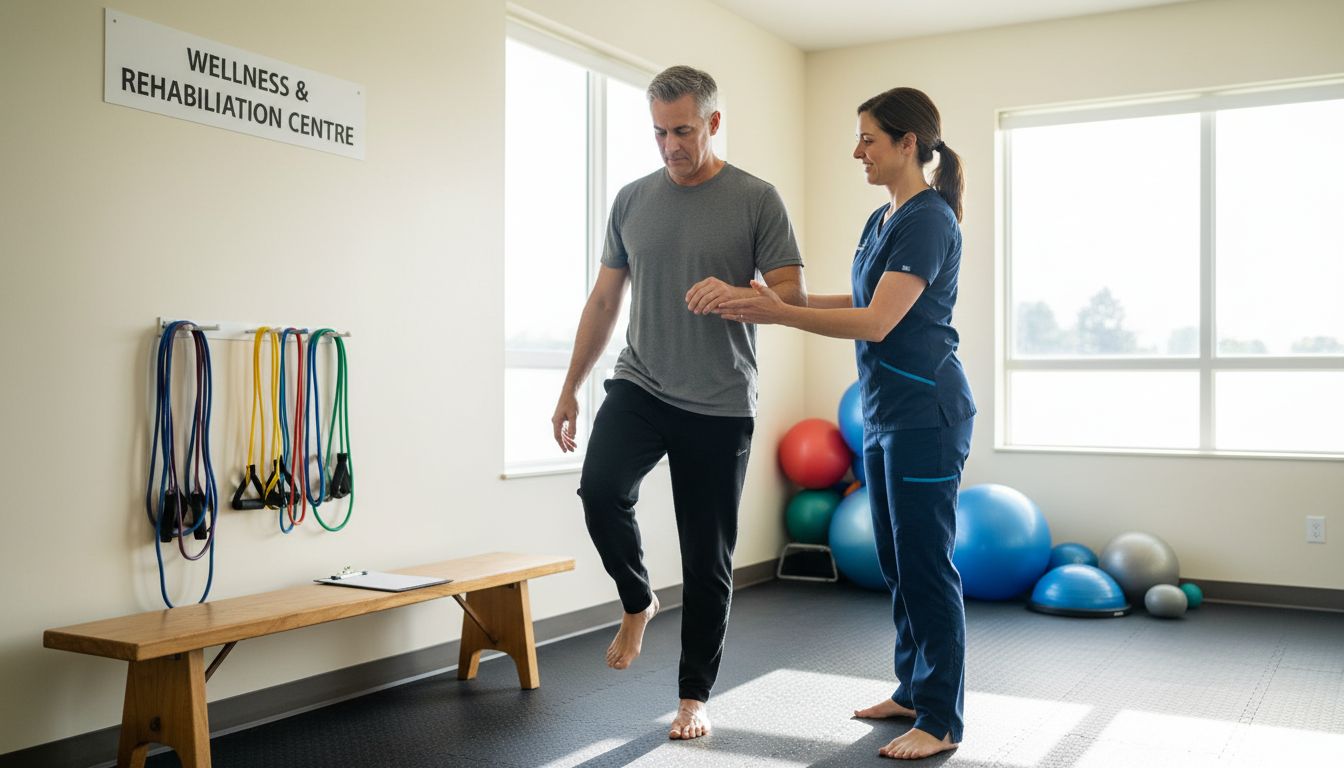
Most advice about musculoskeletal health focuses on treating pain after it appears, but a growing number of Canadian physiotherapists now prioritize prevention. Early detection through movement screening can reduce the risk of chronic pain and serious injury before problems begin. If you want to maintain long-term mobility, understanding what makes preventive physiotherapy so effective could change how you approach your own health and daily activity.
Table of Contents
Key Takeaways
Point | Details |
Proactive Approach | Preventive physiotherapy focuses on identifying and mitigating injury risks before they become serious conditions. |
Comprehensive Assessments | Practitioners conduct detailed evaluations to create tailored intervention strategies targeting individual movement vulnerabilities. |
Broad Applicability | This approach is beneficial for diverse populations, including athletes, office workers, and older adults, to enhance their physical well-being. |
Comparison with Traditional Physiotherapy | Unlike traditional physiotherapy, which is reactive, preventive physiotherapy emphasises early detection and injury prevention through personalized strategies. |
Defining Preventive Physiotherapy and Its Purpose
Preventive physiotherapy represents a proactive healthcare approach designed to identify, mitigate, and prevent potential musculoskeletal injuries before they develop into more serious conditions. Unlike traditional reactive treatment models, this strategy focuses on understanding individual movement patterns, biomechanical limitations, and potential risk factors that could lead to pain or dysfunction. The role of physiotherapists in recovery encompasses not just healing existing injuries, but strategically preventing future ones.
At its core, preventive physiotherapy involves comprehensive assessments that examine an individual’s physical capabilities, movement mechanics, and potential vulnerabilities. Practitioners conduct detailed evaluations including posture analysis, strength testing, flexibility measurements, and functional movement screenings. These assessments help create personalized intervention strategies targeting specific areas of weakness or imbalance before they transform into chronic conditions or acute injuries.
The purpose of preventive physiotherapy extends far beyond athletic performance, encompassing individuals from all walks of life. Whether you’re an office worker dealing with repetitive strain risks, an athlete seeking optimal performance, or someone managing age-related mobility challenges, this approach provides tailored strategies to maintain optimal physical function. By addressing biomechanical inefficiencies early, individuals can reduce their injury risk, improve overall movement quality, and enhance long-term physical resilience.
Pro Tip: Movement Assessment: Schedule an annual preventive physiotherapy assessment to proactively identify and address potential movement limitations before they develop into more significant health challenges.
Key Techniques and Treatment Approaches Used
Preventive physiotherapy employs a comprehensive suite of sophisticated techniques designed to assess, mitigate, and proactively manage potential musculoskeletal risks. These approaches combine advanced movement screening, targeted strength assessments, and personalised intervention strategies to create a holistic approach to physical wellness. Some key methodologies include functional movement screenings, biomechanical assessments, and individualised corrective exercise programmes that address specific physiological vulnerabilities.
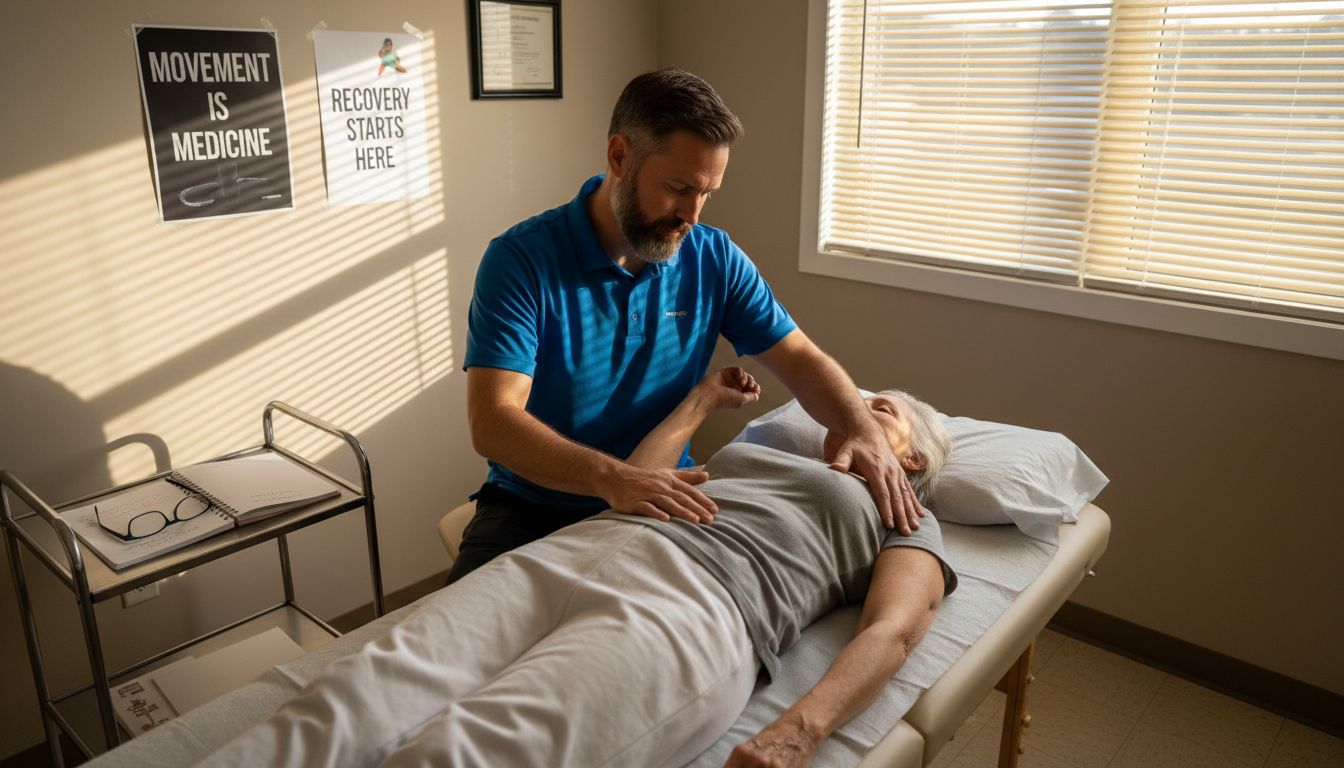
Advanced techniques often involve manual therapy, movement pattern analysis, and neuromuscular retraining. Practitioners use precise diagnostic tools to evaluate joint mobility, muscle strength, flexibility, and movement efficiency. These assessments help identify subtle imbalances or compensatory movement patterns that could potentially lead to injury. Exploring different treatment approaches allows physiotherapists to develop targeted interventions that address individual biomechanical challenges.
Key treatment approaches typically encompass several strategic methods. Practitioners might utilise techniques such as proprioceptive neuromuscular facilitation, dynamic movement assessment, postural re-education, and targeted strength conditioning. These approaches aim not just to prevent injury, but to enhance overall physical performance, improve movement quality, and develop robust musculoskeletal resilience. By understanding an individual’s unique movement patterns, physiotherapists can design precise interventions that mitigate potential injury risks before they manifest.
Pro Tip: Movement Analysis: Request a comprehensive movement screening that evaluates your entire kinetic chain to identify and address potential biomechanical limitations before they develop into more significant physical challenges.
Who Benefits Most From Preventive Physiotherapy
Preventive physiotherapy offers transformative benefits across diverse population segments, making it a versatile approach to maintaining optimal physical health. Exploring the key benefits of physiotherapy reveals its wide-ranging applicability for individuals experiencing unique physical challenges. While commonly associated with athletes and active professionals, this approach provides substantial advantages for numerous groups, including office workers, elderly individuals, rehabilitation patients, and those managing chronic musculoskeletal conditions.
Specific demographic groups demonstrate particularly significant potential for preventive physiotherapy interventions. Athletes and Sports Professionals represent a primary beneficiary group, where targeted assessments can identify potential movement limitations and injury risks before they compromise performance. Office Workers experiencing repetitive strain injuries or prolonged sedentary postures can benefit from biomechanical screenings that address emerging musculoskeletal challenges. Older Adults can leverage these techniques to maintain mobility, prevent age-related functional decline, and reduce the risk of falls through targeted strength and balance interventions.
Beyond traditional demographic categories, preventive physiotherapy proves invaluable for individuals with specific health considerations. Individuals managing chronic conditions like arthritis, recovering from surgical procedures, or experiencing recurring musculoskeletal pain can develop personalised strategies to mitigate future complications. Pregnant individuals, workers with physically demanding occupations, and those with genetic predispositions to musculoskeletal issues can also gain significant advantages from proactive physiotherapeutic assessments and interventions.
Here’s a summary of key demographic groups and their unique benefits from preventive physiotherapy:
Group | Common Challenges Addressed | Primary Benefit |
Athletes | Injury risk, movement imbalances | Enhanced performance and resilience |
Office Workers | Repetitive strain, poor posture | Reduced pain, improved ergonomics |
Older Adults | Declining mobility, falls risk | Maintained independence, reduced falls |
Rehabilitation Patients | Post-surgical weakness | Prevented re-injury, faster recovery |
Chronic Condition Patients | Persistent pain, joint stress | Managed symptoms and avoided flare-ups |
Pro Tip: Individual Risk Assessment: Schedule a comprehensive preventive physiotherapy consultation to develop a personalized movement strategy tailored to your unique physical profile and lifestyle demands.
How Preventive Physiotherapy Reduces Injury Risk
Preventive physiotherapy employs a sophisticated, multi-layered approach to minimizing injury risks by addressing underlying biomechanical vulnerabilities before they transform into serious musculoskeletal challenges. Understanding the comprehensive role of sports physiotherapy reveals how targeted interventions can systematically reduce potential injury mechanisms through proactive assessment and strategic intervention strategies.
The injury risk reduction process involves several critical diagnostic and intervention techniques. Movement Pattern Analysis allows practitioners to identify subtle compensatory mechanisms that might predispose an individual to potential injuries. Biomechanical Screening helps detect muscle imbalances, joint restrictions, and movement inefficiencies that could lead to chronic pain or acute injury scenarios. These assessments enable physiotherapists to develop personalized intervention strategies that address specific musculoskeletal weaknesses, thereby creating a protective framework against potential physical vulnerabilities.
Practitioners utilize advanced techniques such as neuromuscular retraining, proprioceptive exercises, and targeted strength conditioning to systematically reduce injury risks. These interventions focus on improving overall movement quality, enhancing muscular stability, and developing more robust movement patterns. By addressing fundamental movement dysfunctions and building comprehensive physical resilience, preventive physiotherapy creates a protective mechanism that goes beyond traditional reactive treatment approaches, actively preventing potential injury scenarios before they can manifest.
Pro Tip: Movement Baseline: Establish an annual movement screening to create a comprehensive baseline assessment of your physical capabilities and identify potential injury risk factors early.
Comparing Preventive and Traditional Physiotherapy
Preventive and traditional physiotherapy represent distinct approaches to musculoskeletal health, each with unique methodological frameworks and patient care strategies. Understanding the comprehensive role of physiotherapists reveals fundamental differences in treatment philosophy and intervention techniques that significantly impact patient outcomes and long-term physical wellness.
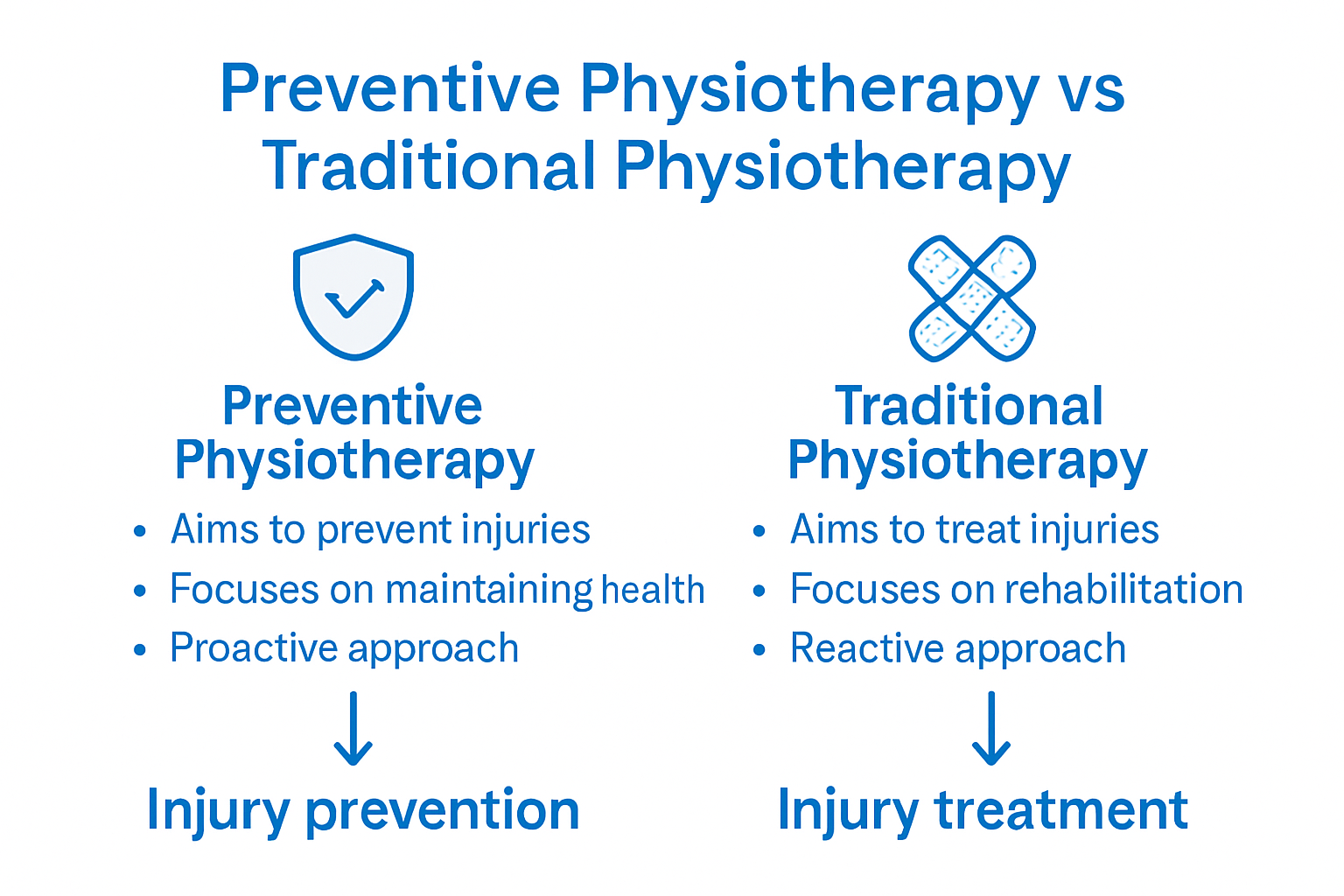
Traditional physiotherapy primarily focuses on reactive treatment, addressing specific injuries or conditions after they have already manifested. Patients typically seek treatment following acute pain, post-surgical rehabilitation, or after experiencing a specific musculoskeletal dysfunction. In contrast, Preventive Physiotherapy adopts a proactive approach, emphasizing early detection, comprehensive movement assessment, and strategic interventions designed to mitigate potential injury risks before they develop into more complex health challenges. Key distinctions include the timing of intervention, depth of assessment, and overall treatment objectives.
The methodological differences extend beyond treatment philosophy into practical application. Traditional physiotherapy often employs targeted interventions addressing immediate symptoms, such as pain management, range of motion restoration, and specific rehabilitation protocols. Preventive physiotherapy, however, conducts comprehensive biomechanical screenings, develops personalized movement strategies, and focuses on building overall physical resilience. This approach includes advanced techniques like movement pattern analysis, neuromuscular retraining, and customized strength conditioning programmes that aim to optimize an individual’s physical functionality and reduce potential injury susceptibility.
The table below compares key features of preventive versus traditional physiotherapy:
Feature | Preventive Physiotherapy | Traditional Physiotherapy |
Approach | Proactive and predictive | Reactive and symptom-based |
Assessment Style | Full movement screening | Focus on affected area |
Treatment Focus | Injury prevention, resilience | Pain relief, rehabilitation |
Long-term Goal | Optimized function, reduced future risk | Restore baseline function after injury |
Pro Tip: Assessment Approach: Request a comprehensive movement screening that evaluates your entire kinetic chain, moving beyond symptom-based treatment to understand and address underlying biomechanical patterns.
Take Control of Your Physical Health with Preventive Physiotherapy
Preventive physiotherapy helps you reduce pain and avoid serious injuries by identifying and addressing movement limitations early. If you struggle with recurring discomfort, poor posture, or want to build resilience against future musculoskeletal issues, personalized assessment and targeted interventions can make all the difference. Our team at Integrate Ottawa combines expert movement analysis with evidence-based treatments to support your long-term health and performance.

Act now to protect your mobility and enhance your body’s strength before pain starts. Schedule a comprehensive preventive physiotherapy consultation today and experience the benefits of collaborative care in a supportive environment. Visit Integrate Ottawa to learn more about our physiotherapy treatments and how our team can guide you towards lasting wellness.
Frequently Asked Questions
What is preventive physiotherapy?
Preventive physiotherapy is a proactive healthcare approach that aims to identify and mitigate potential musculoskeletal injuries before they develop into more serious conditions. It focuses on comprehensive assessments of an individual’s movement patterns and biomechanics to prevent pain and dysfunction.
Who can benefit from preventive physiotherapy?
Preventive physiotherapy is beneficial for a wide range of individuals, including athletes looking to enhance performance, office workers managing repetitive strain injuries, older adults aiming to maintain mobility, and those recovering from surgeries or dealing with chronic conditions.
How does preventive physiotherapy reduce injury risk?
Preventive physiotherapy reduces injury risk through techniques such as movement pattern analysis and biomechanical screenings, which identify and address underlying weaknesses. This proactive approach helps to improve overall movement quality and physical resilience, reducing the likelihood of injuries occurring.
What distinguishes preventive physiotherapy from traditional physiotherapy?
Preventive physiotherapy is proactive, focusing on injury prevention and comprehensive movement assessments, while traditional physiotherapy is reactive, addressing specific injuries and conditions after they’ve occurred. Preventive care emphasizes optimizing physical function and reducing future injury risk.
Recommended
Comments