

Musculoskeletal Health: Impact on Pain and Recovery

Chronic muscle and joint pain affects nearly one in five Canadian adults, disrupting daily life and limiting independence for many Ottawa residents. For those seeking more than temporary relief, understanding musculoskeletal health means challenging old myths and embracing evidence-based care. This guide explains what shapes your body’s structural well-being and cuts through misinformation so you can make informed choices about physiotherapy, chiropractic treatment, and lasting recovery.
Table of Contents
Key Takeaways
Point | Details |
Understanding Musculoskeletal Health | Musculoskeletal health is a complex interconnection of bones, muscles, and joints that requires a holistic approach to manage effectively. Aging is just one of many factors influencing health outcomes in this system. |
Prevalent Conditions in Canada | Common musculoskeletal conditions include osteoarthritis, chronic back pain, and rheumatoid arthritis, each significantly affecting quality of life and requiring tailored treatment strategies. |
Role of Physiotherapy and Chiropractic | Evidence-based physiotherapy and chiropractic care offer integrated strategies for pain management and functional restoration, emphasising personalised treatment plans. |
Informed Decision-Making | Patients should evaluate the risks, costs, and benefits of treatment options and work closely with healthcare professionals to create a comprehensive health strategy. |
Defining Musculoskeletal Health and Common Myths
Musculoskeletal health represents the complex, interconnected system of bones, muscles, ligaments, tendons, and joints that enable human movement and structural support. Far more than a simple mechanical framework, our musculoskeletal system is a dynamic network that responds to physical demands, environmental stressors, and individual lifestyle factors. Understanding musculoskeletal disorders reveals how multiple risk factors contribute to potential health challenges.
Common misconceptions often oversimplify musculoskeletal health, suggesting that conditions like chronic pain or reduced mobility are inevitable consequences of aging. Research demonstrates this perspective is fundamentally incorrect. Biomechanical loads, repetitive movements, psychological stress, and individual predispositions interact in complex ways that influence musculoskeletal function. Aging is just one factor among many that can impact our body’s structural integrity and performance.
The scope of musculoskeletal health encompasses far more than treating isolated injuries. It involves understanding how lifestyle, physical activity, ergonomic practices, and preventative care work synergistically to maintain optimal bodily function. Conditions ranging from minor joint stiffness to chronic inflammatory disorders can significantly impact an individual’s quality of life. Proactively addressing musculoskeletal health requires a holistic approach that considers physical, psychological, and social dimensions.
Pro tip: Incorporate daily stretching, maintain proper posture, and listen to your body’s signals to support long-term musculoskeletal wellness.
Types of Musculoskeletal Conditions in Canada
Canadian healthcare confronts a diverse range of musculoskeletal conditions that significantly impact population health and quality of life. Comprehensive national health data reveals several predominant musculoskeletal disorders affecting residents across different age groups and regions. The most common conditions include chronic back pain, repetitive strain injuries, osteoarthritis, rheumatoid arthritis, and systemic inflammatory diseases like lupus and fibromyalgia.
Osteoarthritis stands out as a particularly prevalent condition, especially among older Canadians. This degenerative joint disease impacts mobility and can cause substantial pain, affecting approximately one in six adults nationwide. Rheumatoid arthritis, an autoimmune disorder causing joint inflammation, presents unique challenges by potentially attacking multiple body systems and requiring complex, integrated treatment approaches. Regional variations exist in both prevalence and management strategies, reflecting the complex nature of these musculoskeletal health challenges.

Here is a summary of prevalent musculoskeletal conditions and their typical impact in Canada:
Condition | Commonly Affected Age Groups | Main Symptoms | Key Impact on Daily Life |
Osteoarthritis | Older adults | Joint pain, stiffness | Limited mobility, daily activity loss |
Rheumatoid arthritis | Adults, more women | Swelling, fatigue | Difficulty with fine movements |
Chronic back pain | All adults | Persistent back pain | Disrupted work, impaired sleep |
Repetitive strain | Working age | Localised pain, soreness | Reduced productivity, workplace absences |
Fibromyalgia | Adults, mostly women | Widespread pain, fatigue | Emotional distress, low energy |
Manual therapy techniques can play a crucial role in managing these conditions, offering non-invasive approaches to pain management and functional restoration. The interconnected nature of musculoskeletal disorders means that treatment must consider not just physical symptoms, but also psychological and social factors that contribute to an individual’s overall health experience. Understanding these nuanced conditions requires a holistic perspective that goes beyond simple diagnostic categorization.
Pro tip: Schedule regular physical assessments and maintain an active lifestyle to proactively manage potential musculoskeletal health risks.
How Musculoskeletal Issues Affect Daily Life
Government of Canada research reveals the profound impact musculoskeletal conditions have on individual functioning and overall quality of life. These disorders extend far beyond physical pain, creating complex challenges that disrupt personal independence, professional productivity, and emotional well-being. From reduced mobility to chronic discomfort, musculoskeletal issues can fundamentally alter how individuals navigate their daily experiences.
In professional settings, musculoskeletal conditions can significantly impede work performance and career progression. Chronic pain and limited physical mobility often result in increased workplace absenteeism, reduced productivity, and potential career limitations. Some individuals may require workplace accommodations or experience unexpected career transitions due to their physical constraints. The psychological toll can be equally significant, with persistent pain contributing to increased stress, potential depression, and a diminished sense of personal agency.
Posture evaluation plays a critical role in understanding and mitigating these challenges. Daily activities like sitting at a desk, lifting objects, or engaging in repetitive movements can exacerbate existing musculoskeletal conditions or create new physical strain. The cumulative effect of these seemingly minor interactions can lead to long-term health complications, underscoring the importance of proactive musculoskeletal care and ergonomic awareness.
Pro tip: Incorporate regular movement breaks and ergonomic assessments to minimise musculoskeletal strain during daily activities.
Evidence-Based Approaches: Physiotherapy and Chiropractic
Recent scientific research highlights the critical role of evidence-based physiotherapy and chiropractic approaches in managing musculoskeletal health. These professional disciplines offer comprehensive strategies for pain management, injury prevention, and functional restoration, moving far beyond traditional treatment paradigms. By integrating manual therapy, targeted exercise protocols, patient education, and advanced self-management techniques, these approaches provide holistic solutions for individuals experiencing complex musculoskeletal challenges.
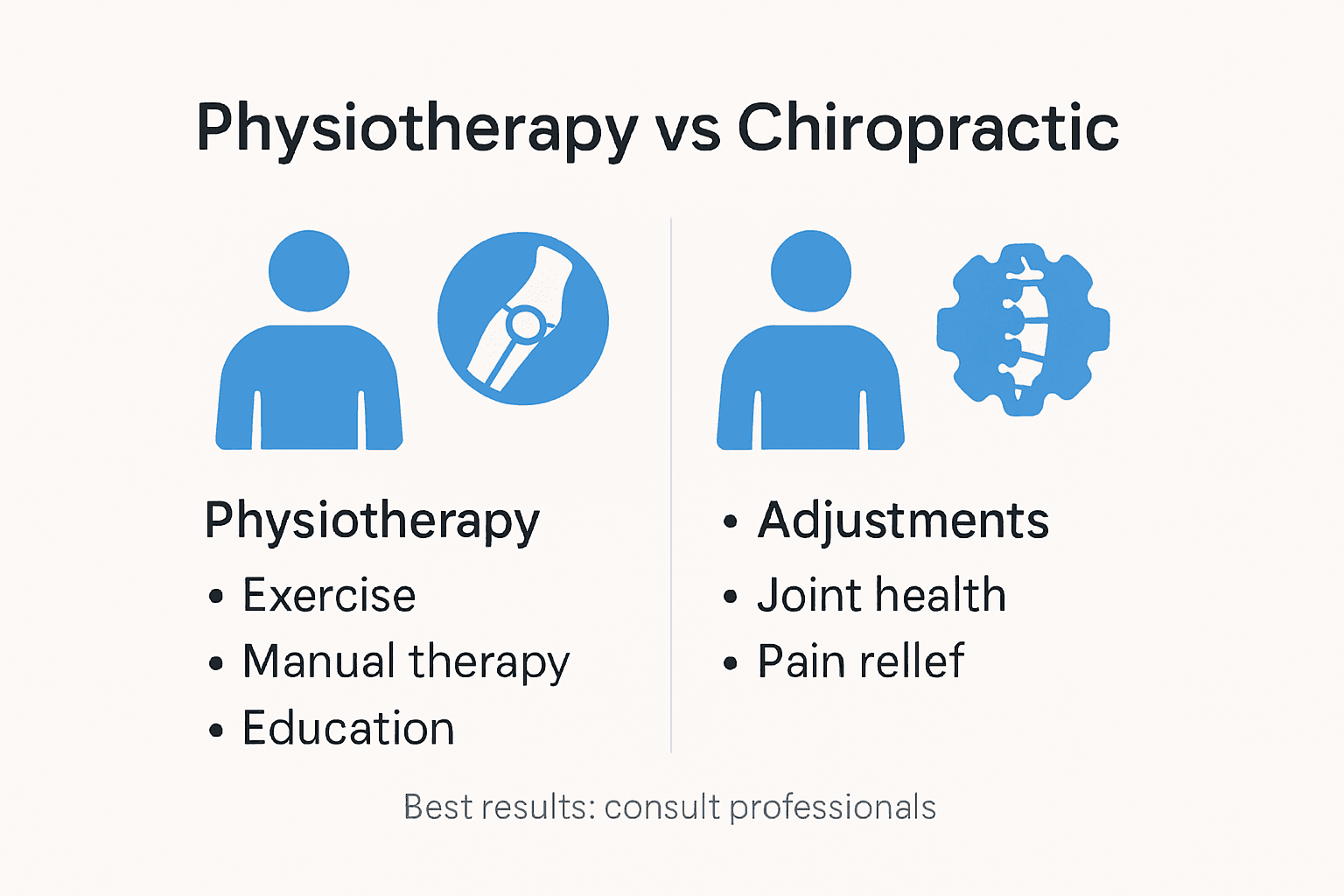
Manual therapy techniques stand at the core of both physiotherapy and chiropractic care, focusing on hands-on interventions designed to improve joint mobility, reduce pain, and enhance overall body function. Chiropractic care types encompass a range of specialized approaches that address specific musculoskeletal conditions through precise, targeted manipulations. These interventions are carefully calibrated to individual patient needs, considering factors such as age, physical condition, injury history, and specific health objectives.
The multidisciplinary nature of these approaches recognizes that musculoskeletal health is not a one-size-fits-all solution. Practitioners collaborate to develop personalized treatment plans that integrate manual therapy, therapeutic exercises, patient education, and lifestyle recommendations. This comprehensive strategy ensures that patients receive tailored interventions addressing both immediate symptoms and long-term functional goals, promoting sustainable health and preventing future complications.
The following table compares physiotherapy and chiropractic care for musculoskeletal conditions:
Approach | Core Focus | Typical Techniques | Benefits |
Physiotherapy | Function & mobility | Exercise, manual therapy, rehab | Improved strength, injury prevention |
Chiropractic | Spine & joint function | Spinal adjustments, manual therapy | Pain relief, enhanced movement |
Combination | Integrated management | Customised care from both fields | Broader symptom management |
Pro tip: Consult with multiple healthcare professionals to develop a comprehensive, personalized musculoskeletal health strategy.
Risks, Costs, and Benefits of Treatment Options
Comprehensive research on musculoskeletal treatment reveals the complex landscape of physiotherapy and chiropractic interventions. Treatment approaches are not uniform, with each patient requiring a nuanced, individualized strategy that balances potential benefits against associated risks. Understanding these dynamics helps patients make informed decisions about their musculoskeletal health management, considering both clinical outcomes and financial implications.
The cost-effectiveness of treatment varies significantly across different musculoskeletal conditions. Combination treatments frequently demonstrate superior outcomes, particularly for chronic conditions like low back pain. Research indicates that integrated approaches combining physiotherapy techniques with targeted chiropractic interventions can provide more comprehensive relief compared to singular treatment modalities. These multidisciplinary strategies often result in reduced long-term healthcare expenses by addressing root causes rather than merely managing symptoms.
Physiotherapist-directed interventions demonstrate particularly promising results, especially for back and knee conditions. While these treatments generally exhibit low rates of serious adverse events, patients must remain aware of potential short-term risks such as temporary discomfort, mild inflammation, or transient pain following manual therapy sessions. The key is working closely with healthcare professionals to develop a personalized treatment plan that minimizes risks while maximizing rehabilitation potential.
Pro tip: Request a comprehensive risk assessment and detailed treatment plan before committing to any musculoskeletal intervention.
Take Control of Your Musculoskeletal Health Today
Persistent pain and reduced mobility can impact every aspect of your daily life from work to personal enjoyment. This article highlights how musculoskeletal conditions like chronic back pain or arthritis disrupt your function and emotional well-being. Understanding the importance of evidence-based solutions such as manual therapy and tailored physiotherapy is key to managing your recovery and preventing future complications.
If you are ready to reclaim your movement and reduce discomfort, explore how physiotherapy and chiropractic care at Integrate Ottawa can support your goals. Our team-based approach combines expert assessment, personalized treatment plans, and ongoing support that address both the physical and psychological challenges outlined in this article. Don’t wait for pain to dictate your life. Visit Integrate Ottawa’s website to learn more about our comprehensive services and book your appointment at one of our convenient locations in Ottawa and Carleton Place.
Frequently Asked Questions
What is musculoskeletal health?
Musculoskeletal health refers to the complex system of bones, muscles, ligaments, tendons, and joints that enable movement and structural support in the body. It plays a crucial role in overall physical function and quality of life.
What are common musculoskeletal conditions?
Common musculoskeletal conditions include chronic back pain, osteoarthritis, rheumatoid arthritis, repetitive strain injuries, and fibromyalgia. These conditions can significantly affect mobility and daily life.
How can physiotherapy and chiropractic care help?
Physiotherapy and chiropractic care offer evidence-based approaches to manage musculoskeletal health, focusing on pain relief, functional restoration, and injury prevention through manual therapy, targeted exercises, and lifestyle education.
What lifestyle changes can support musculoskeletal wellness?
Incorporating daily stretching, maintaining proper posture, and engaging in regular physical activity can support musculoskeletal wellness. Additionally, regular movement breaks and ergonomic assessments can help minimize strain during daily activities.
Recommended
Comments