

Importance of Posture Evaluation for Pain Relief
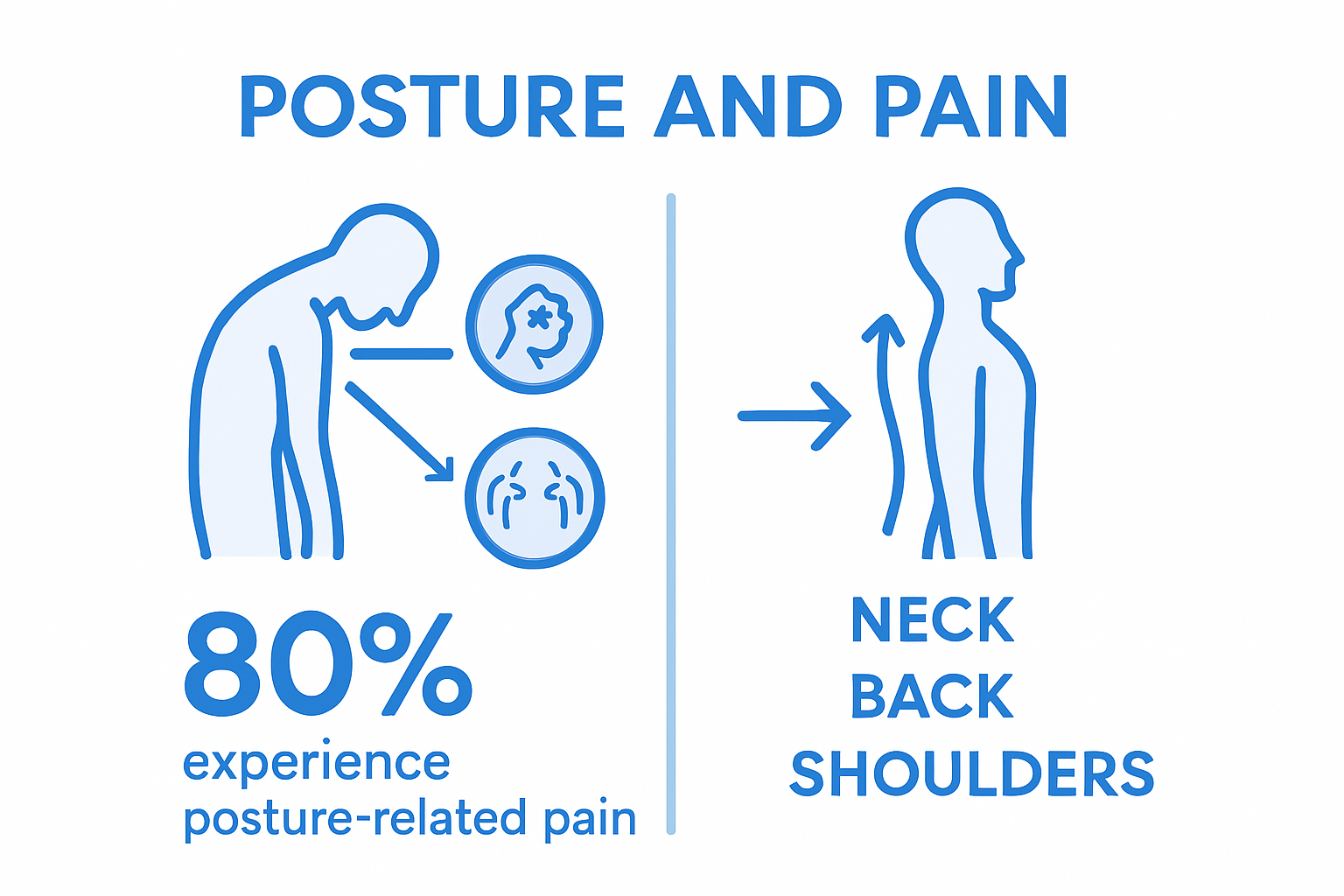
More than 80 percent of Canadians will experience back pain at some point, yet misconceptions about posture linger in many communities. With so much conflicting advice, sorting fact from fiction around posture evaluation is crucial for anyone seeking lasting relief. Discover how a modern approach, guided by science rather than outdated myths, can help Canadians achieve better comfort, movement, and confidence in daily life.
Table of Contents
Key Takeaways
Point | Details |
Posture Evaluation Importance | Understanding individual posture variations is crucial for identifying musculoskeletal imbalances that may lead to pain. Comprehensive assessments consider multiple factors beyond just visual traits. |
Clinical Assessment Techniques | A range of posture assessment tools, including static and dynamic evaluations, provide detailed insights into an individual’s movement and alignment. This complexity aids in accurate diagnosis and targeted interventions. |
Impact of Poor Posture on Pain | Poor posture contributes to chronic musculoskeletal pain through mechanisms like joint strain and muscle imbalance, highlighting the need for proactive measures to restore proper alignment. |
Benefits of Early Evaluation | Early posture evaluation allows for the identification of risk factors and implementation of corrective strategies, which can prevent chronic conditions and enhance overall physical performance. |
Defining Posture Evaluation and Common Myths
Posture evaluation is a systematic assessment of how your body aligns and moves, focusing on identifying potential musculoskeletal imbalances that might contribute to pain or dysfunction. Unlike traditional beliefs, modern scientific reviews challenge the concept of a singular “ideal” posture, emphasizing instead the importance of individual variation and dynamic movement patterns.
Common myths surrounding posture persist despite evolving scientific understanding. Many people believe there is a universal “perfect” posture that guarantees health and prevents pain. However, research indicates that static posture measurements are less critical than how effectively your body can adapt and move through different positions. Biomechanical flexibility and muscular strength play more significant roles in preventing discomfort than maintaining a rigid, prescribed stance.
A comprehensive posture evaluation goes beyond simple visual assessments. Professional practitioners examine multiple factors including:
Spinal alignment
Muscular symmetry
Joint mobility
Movement patterns
Flexibility and range of motion
Muscular strength and endurance
By understanding these nuanced elements, healthcare professionals can develop targeted strategies that address individual postural challenges and potential pain sources. The goal is not to force your body into a predetermined ideal, but to optimize your unique biomechanical potential and support overall musculoskeletal health.
Types of Posture Assessments Used in Clinics
Clinical posture assessments have evolved significantly, with healthcare professionals now employing a diverse range of sophisticated evaluation techniques. A systematic review recently identified 32 distinct clinical posture assessment tools, categorized into five comprehensive groups, demonstrating the complexity and nuanced approach required for accurate diagnosis.
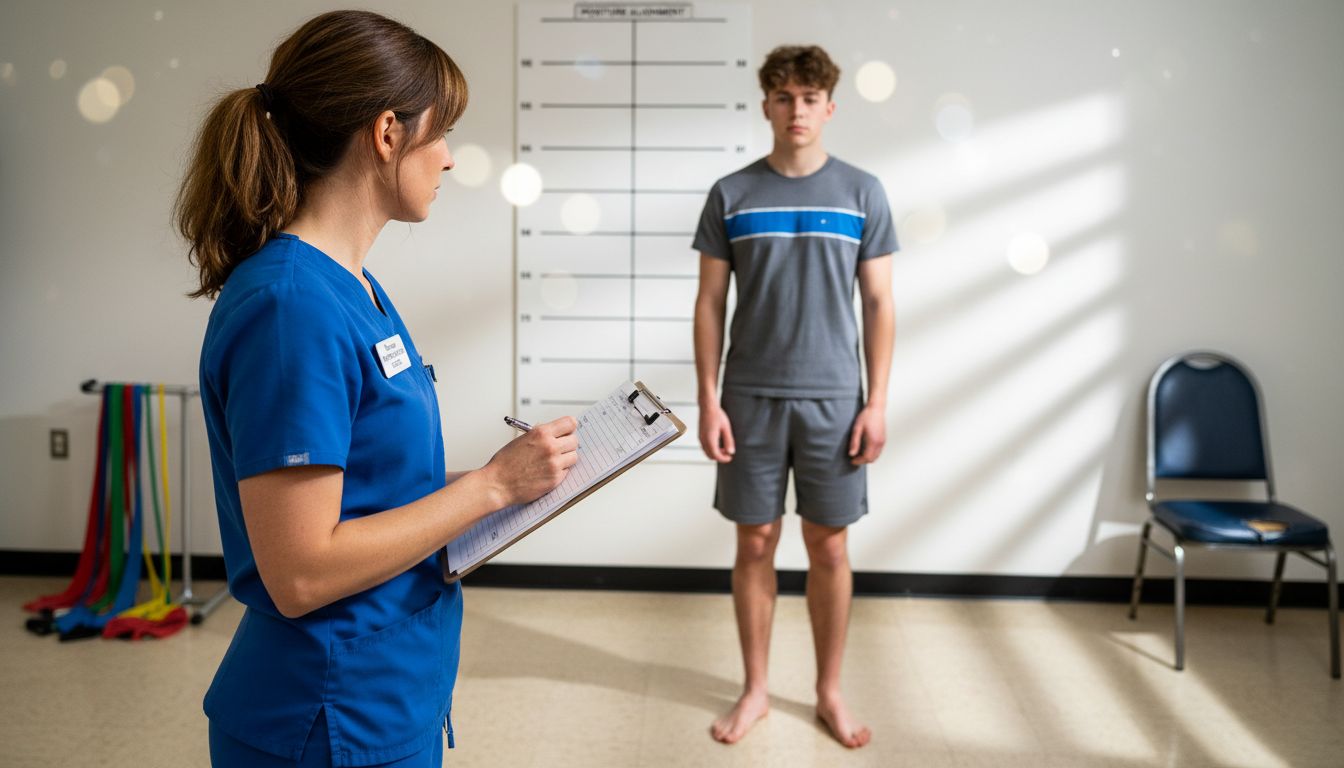
These assessments typically involve a combination of visual, physical, and technological approaches. Static posture analysis involves examining body alignment while standing or sitting, looking for asymmetries in shoulder height, spinal curvature, and hip positioning. Dynamic posture evaluation goes beyond static measurements, assessing how the body moves and responds during specific activities, which provides deeper insights into potential musculoskeletal challenges.
The most common types of posture assessments include:
Visual Postural Screening
Photographic Alignment Assessments
Digital Motion Capture Systems
Computerized Postural Analysis
Functional Movement Screenings
Advanced clinics now integrate multiple assessment techniques to develop comprehensive understanding. Cutting-edge motion capture technologies allow practitioners to track minute biomechanical variations, providing unprecedented detail about an individual’s movement patterns and potential structural imbalances. These sophisticated tools enable healthcare professionals to design precise, targeted interventions that address the root causes of postural dysfunction.
How Poor Posture Contributes to Pain
Recent research examining postural changes in young adults reveals a significant connection between improper body alignment and the development of chronic musculoskeletal pain. Poor posture creates a cascade of biomechanical stress that gradually erodes joint health, muscle function, and overall physical well-being. When your body deviates from its optimal alignment, certain muscle groups become overworked while others weaken, creating an imbalanced musculoskeletal system prone to persistent discomfort.
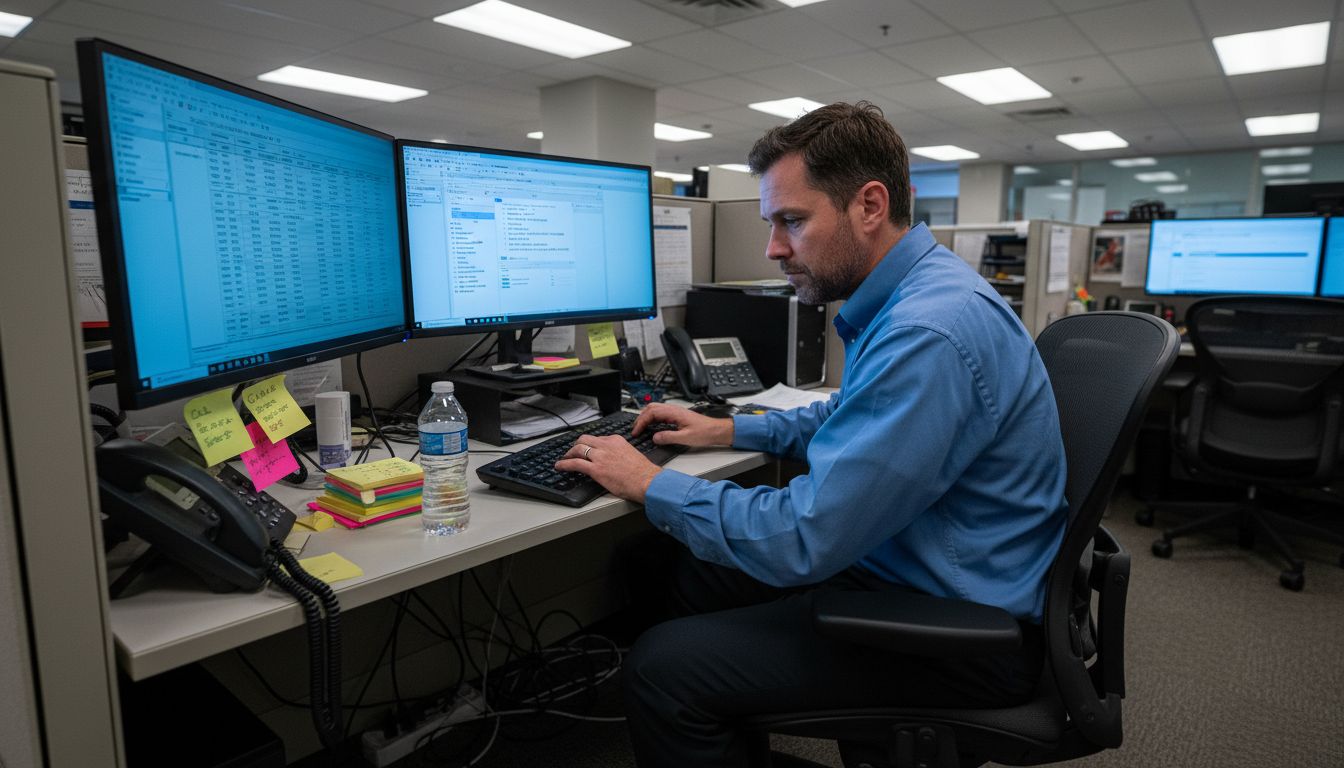
The mechanisms through which poor posture generates pain are complex and multifaceted. Chronic misalignment places excessive strain on specific joints, ligaments, and muscle groups, leading to compensatory movement patterns that further exacerbate structural stress. For instance, forward head posture can dramatically increase the load on cervical spine muscles, potentially causing neck pain, tension headaches, and reduced range of motion. Similarly, prolonged sitting with rounded shoulders can compress chest muscles and weaken upper back structures, creating a cycle of progressive musculoskeletal dysfunction.
Key physiological consequences of poor posture include:
Increased joint compression
Muscle strain and imbalance
Reduced spinal flexibility
Restricted blood circulation
Accelerated joint degeneration
Nerve pathway compression
Understanding these intricate biomechanical relationships is crucial. Posturology research emphasizes that improper alignment is not just a static condition but a dynamic process that progressively impacts entire muscular and skeletal systems. By recognizing how poor posture contributes to pain, individuals can take proactive steps to restore proper body mechanics and prevent long-term musculoskeletal complications.
Benefits of Early Posture Evaluation in Recovery
Early posture evaluation research demonstrates significant potential for preventing long-term musculoskeletal complications, particularly among young adults experiencing emerging biomechanical challenges. Identifying postural irregularities in their initial stages allows healthcare professionals to implement targeted interventions before minor misalignments transform into chronic pain conditions. This proactive approach not only mitigates immediate discomfort but also interrupts the potential progression of more serious structural imbalances.
Preventative assessment provides multiple strategic advantages in managing musculoskeletal health. By detecting subtle biomechanical deviations early, practitioners can design personalised treatment protocols that address root causes rather than merely managing symptoms. Muscles, joints, and connective tissues respond more effectively to interventions when corrective strategies are implemented during initial stages of postural dysfunction, potentially reducing recovery time and preventing long-term structural adaptations.
Key benefits of early posture evaluation include:
Identifying potential injury risks
Preventing chronic pain development
Optimizing movement patterns
Reducing rehabilitation duration
Enhancing overall physical performance
Minimizing future medical interventions
Systematic reviews of validated posture assessment methods consistently demonstrate improved treatment outcomes when comprehensive evaluations are conducted proactively. The goal extends beyond mere pain management, focusing instead on restoring optimal biomechanical function and empowering individuals to maintain long-term musculoskeletal wellness through targeted, personalized interventions.
Common Mistakes and Risks of Overlooking Posture
Contemporary research challenges traditional assumptions about standardized posture models, revealing significant risks associated with oversimplified diagnostic approaches. Overlooking subtle postural nuances can lead to misdiagnosis, inappropriate treatment strategies, and prolonged musculoskeletal complications. Many individuals mistakenly believe that a single, universal postural standard exists, when in reality, body mechanics are deeply individualized and complex systems requiring personalized evaluation.
Biomechanical misconceptions can create dangerous treatment gaps that compromise long-term physical health. Persistent poor posture generates cumulative stress on muscular and skeletal structures, potentially triggering chronic pain conditions, reduced mobility, and accelerated joint degeneration. The human body adapts to movement patterns incrementally, meaning seemingly minor postural irregularities can progressively transform into significant structural challenges if left unaddressed.
Common risks of neglecting posture assessment include:
Increased chronic pain development
Accelerated joint deterioration
Reduced overall physical functionality
Higher susceptibility to sports-related injuries
Compromised neurological signalling
Potential long-term mobility restrictions
Medical experts continue to debunk myths surrounding rigid postural standards, emphasizing the critical importance of individualized, comprehensive assessments. Understanding that posture represents a dynamic, adaptive system rather than a static condition empowers individuals to pursue more nuanced, effective approaches to musculoskeletal health and preventative care.
Take Control of Your Pain with Expert Posture Evaluation
Poor posture triggers complex musculoskeletal imbalances that can lead to chronic pain and mobility restrictions. If you recognize these challenges knowing that early posture evaluation focuses on your unique body mechanics can be a game changer. At our clinic, we understand the importance of identifying subtle alignment issues before they become persistent problems. Our evidence-based approach combines advanced assessment techniques with personalized treatment plans to restore your biomechanical health and relieve pain.

Don’t let poor posture control your quality of life. Discover how our comprehensive services in physiotherapy, chiropractic care, and pain management can help you achieve lasting relief. Visit Integrate Ottawa today to book your posture evaluation and start your journey toward better movement and less pain. Explore our range of treatments and take a proactive step now to protect your long-term musculoskeletal wellness.
Frequently Asked Questions
What is posture evaluation and why is it important?
Posture evaluation is a systematic assessment of body alignment and movement, essential for identifying musculoskeletal imbalances that can lead to pain. Understanding your unique posture helps in tailoring interventions to enhance overall musculoskeletal health and prevent discomfort.
How does poor posture contribute to pain?
Poor posture causes a cascade of biomechanical stress that leads to chronic muscle strain and joint degeneration. Misalignment can put excessive strain on certain areas, creating an imbalance in the musculoskeletal system and resulting in persistent pain or discomfort.
What types of posture assessments are commonly used in clinics?
Common assessments include visual postural screening, photographic alignment assessments, digital motion capture systems, computerized postural analysis, and functional movement screenings, all of which provide insights into an individual’s posture and movement patterns.
Why is early posture evaluation beneficial for recovery?
Early posture evaluation allows for the identification of minor misalignments before they evolve into chronic conditions. This proactive approach helps in designing targeted treatment protocols, minimizing recovery time, and preventing long-term musculoskeletal complications.
Recommended
Comments