

Posture Assessment: Boosting Performance and Preventing Injury
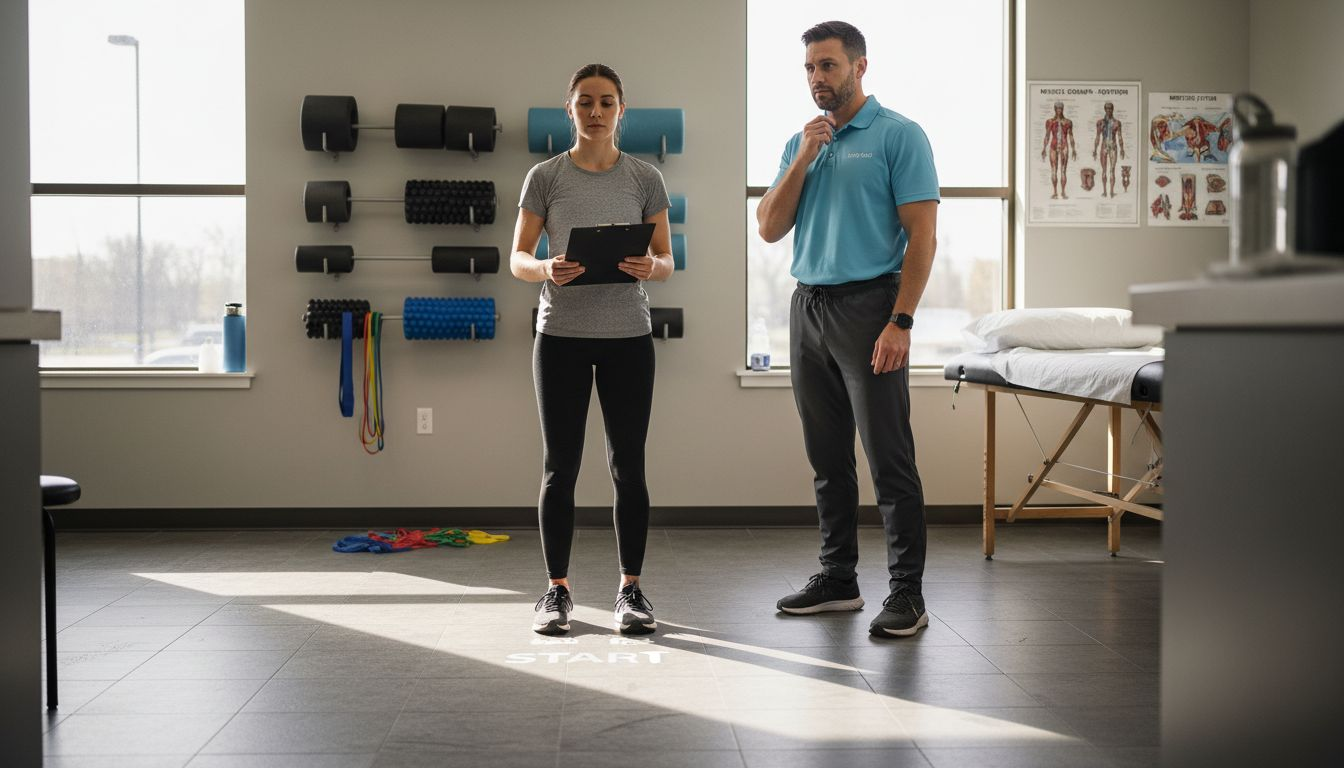
Over 60 percent of Canadian athletes experience musculoskeletal discomfort linked to poor posture. For active individuals in Ottawa, even minor misalignments can hold you back from peak performance and increase the risk of chronic injuries. Unlocking your body’s full potential starts with understanding how posture affects movement, efficiency, and overall health. This guide reveals how precise posture assessment can identify hidden problems and give you a clear plan to move better, train smarter, and stay injury-free.
Table of Contents
Key Takeaways
Point | Details |
Importance of Posture Assessment | A thorough posture assessment can reveal misalignments that impact musculoskeletal health and athletic performance. |
Common Postural Issues | Recognising prevalent postural problems like forward head posture and rounded shoulders can prevent chronic pain and improve mobility. |
Assessment Techniques | Employing various assessment techniques, including visual screening and computerized scanning, enhances diagnostic accuracy and intervention effectiveness. |
Proactive Management | Regular posture assessments, especially for active individuals, can help in early detection of issues and promote long-term physical wellness. |
What Is Posture Assessment and Why It Matters
Posture assessment is a comprehensive evaluation of body alignment and movement patterns that reveals critical insights into musculoskeletal health and potential performance limitations. Unlike simple visual screenings, this detailed analysis examines how your body positions itself during static and dynamic activities, identifying subtle imbalances that could lead to chronic pain or reduced athletic performance.
A professional posture assessment typically involves a systematic examination of key body regions, including spinal alignment, joint positioning, muscle symmetry, and movement mechanics. Postural analysis helps detect underlying issues such as rounded shoulders, forward head positioning, uneven hip alignment, and muscular compensations that might not be immediately apparent. These assessments provide a roadmap for targeted interventions, helping individuals prevent potential injuries and optimize their physical function.
The significance of posture assessment extends far beyond aesthetic considerations. Misalignments and imbalances can create cascading effects throughout the musculoskeletal system, potentially leading to:
Chronic pain development
Reduced athletic performance
Increased risk of repetitive strain injuries
Compromised movement efficiency
Accelerated joint degradation
For athletes and active individuals in Ottawa, understanding your unique postural patterns can be the difference between peak performance and potential injury. By identifying and addressing these subtle variations early, you can develop targeted strategies to enhance mobility, strength, and overall physical resilience.
Pro Tip: Schedule a professional posture assessment at least once annually, especially if you engage in repetitive sports or sedentary work, to catch and correct potential imbalances before they develop into more serious conditions.
Types of Posture Assessment Techniques Used
Posture assessment encompasses a diverse range of sophisticated techniques designed to comprehensively evaluate an individual’s musculoskeletal alignment and movement patterns. These methods combine clinical expertise with advanced technological approaches to provide precise insights into body mechanics and potential dysfunction.
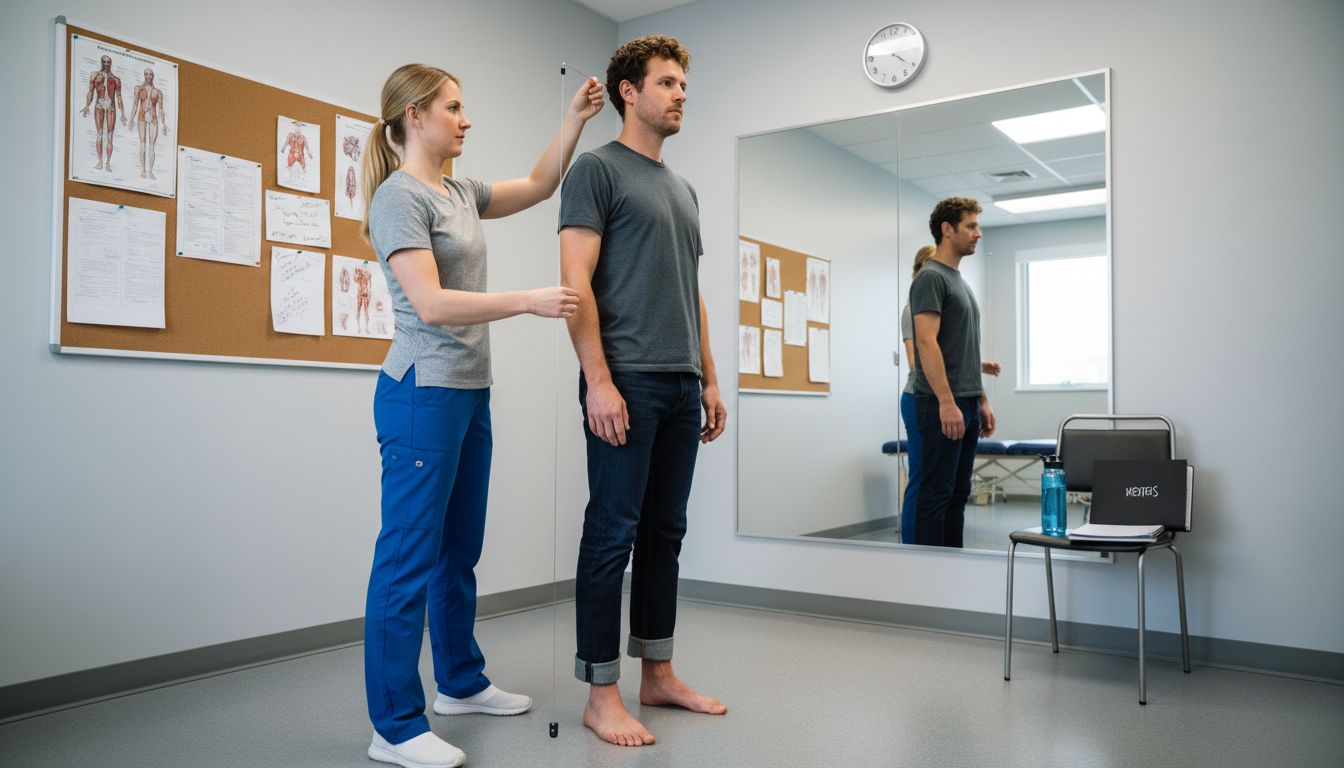
Observation-based posture assessment methods offer systematic approaches to quantifying body positioning, including standardized tools like Rapid Upper Limb Assessment (RULA) and 3DMatch. These techniques enable healthcare professionals to categorize postures into structured classifications, reducing subjective interpretation and improving diagnostic reliability.
Modern posture assessment techniques can be broadly categorized into several key approaches:
Visual Screening: Comprehensive physical observation of body alignment
Digital Photography Analysis: Precise measurement of body angles and asymmetries
Computerized Postural Scanning: Advanced 3D imaging technology
Functional Movement Screening: Dynamic assessment of movement patterns
Biomechanical Evaluation: Detailed analysis of joint mechanics and muscle function
Each assessment technique provides unique insights, allowing practitioners to develop targeted interventions that address specific musculoskeletal imbalances. For athletes and active individuals in Ottawa, these methods offer a nuanced understanding of movement efficiency, helping to prevent potential injuries and optimize physical performance.
The following table compares the main posture assessment techniques and highlights their unique advantages:
Technique | Key Focus | Typical Tools Used | Best For |
Visual Screening | Physical alignment observation | Manual checklists | Quick initial evaluations |
Digital Photography Analysis | Angle and symmetry measurement | Cameras, software | Precise documentation |
Computerized Postural Scanning | 3D body structure analysis | 3D scanners, sensors | Advanced technology assessments |
Functional Movement Screening | Movement efficiency | Movement tests, scoring | Dynamics and athletic screening |
Biomechanical Evaluation | Joint mechanics & muscle use | Force plates, EMG | In-depth performance assessment |
Pro Tip: Request a comprehensive posture assessment that combines multiple techniques to ensure a thorough and accurate evaluation of your musculoskeletal health.
Step-by-Step Process for Accurate Assessment
A comprehensive posture assessment is a meticulously structured process that requires precision, expertise, and a holistic understanding of human biomechanics. The goal is not simply to identify problems but to develop a nuanced understanding of an individual’s unique movement patterns and potential musculoskeletal challenges.
The posture assessment process begins with systematic observation of the client’s body alignment across multiple positions and movement scenarios. Healthcare professionals carefully evaluate key anatomical landmarks including shoulders, spine, hips, and knees, examining both static positioning and dynamic movement capabilities.
A typical comprehensive posture assessment follows these critical stages:
Initial Client Interview
Review medical history
Discuss current pain or movement limitations
Understand lifestyle and activity patterns
Static Postural Screening
Evaluate body alignment while standing
Assess symmetry and weight distribution
Identify visible muscle imbalances
Dynamic Movement Assessment
Analyse functional movement patterns
Test range of motion in key joints
Evaluate movement quality and efficiency
Advanced Diagnostic Techniques
Utilise digital photography or 3D scanning
Measure precise joint angles
Compare findings against biomechanical standards
Comprehensive Analysis and Recommendation
Synthesize assessment findings
Develop targeted intervention strategy
Create personalised corrective exercise plan
For athletes and active individuals in Ottawa, this methodical approach ensures a thorough understanding of your body’s unique movement mechanics. By identifying subtle imbalances early, practitioners can help prevent potential injuries and optimize physical performance.
Pro Tip: Prepare for your posture assessment by wearing form-fitting clothing that allows unrestricted movement and brings comfortable athletic shoes to facilitate accurate movement evaluation.
Common Postural Issues in Active Individuals
Active individuals in Ottawa face unique musculoskeletal challenges that can significantly impact their performance and long-term physical health. Physical activity, while beneficial, often introduces repetitive movement patterns that can gradually compromise body alignment and create complex postural complications.
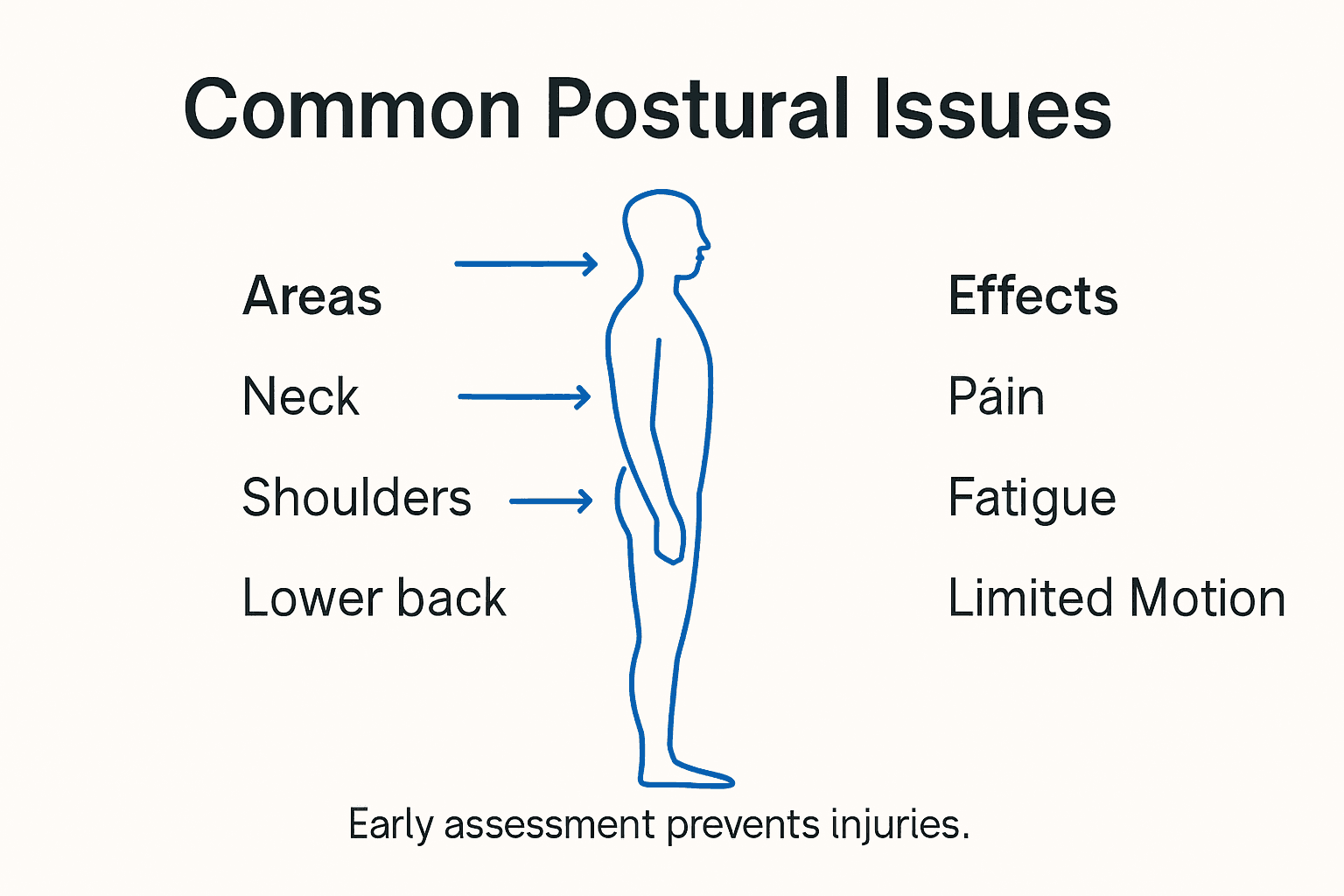
Postural issues frequently emerge from repetitive movements and prolonged sedentary positions, presenting significant risks for athletes and fitness enthusiasts. These biomechanical adaptations can lead to subtle yet profound changes in movement efficiency, potentially increasing injury susceptibility and reducing overall athletic performance.
The most prevalent postural issues encountered by active individuals include:
Forward Head Posture
Anterior head carriage
Increased cervical spine strain
Potential nerve compression
Rounded Shoulders
Reduced shoulder mobility
Compromised upper body mechanics
Increased risk of rotator cuff injuries
Uneven Hip Alignment
Muscle imbalances
Potential leg length discrepancies
Altered walking and running mechanics
Excessive Lumbar Curvature
Lower back strain
Potential nerve impingement
Reduced core stability
Muscle Compensation Patterns
Overactive/underactive muscle groups
Inefficient movement strategies
Increased energy expenditure
These postural challenges can dramatically influence an individual’s biomechanical performance, creating cascading effects throughout the musculoskeletal system. Understanding these patterns allows for targeted interventions that restore balance, improve movement quality, and prevent potential long-term structural complications.
Here is a reference guide linking common postural concerns with their typical impacts and recommended interventions:
Postural Concern | Common Effects | Recommended Intervention |
Forward Head Posture | Neck pain, tension headaches | Strengthen neck and upper back |
Rounded Shoulders | Limited reach, shoulder fatigue | Stretch chest, strengthen back |
Uneven Hip Alignment | Hip soreness, altered gait | Core stability exercises |
Excessive Lumbar Curvature | Lower back discomfort | Strengthen abdominals and glutes |
Muscle Compensation | Movement inefficiency, fatigue | Individualised exercise program |
Pro Tip: Incorporate daily mobility exercises and periodic professional posture assessments to proactively identify and address potential biomechanical imbalances before they develop into chronic issues.
Benefits, Risks, and When to Seek Help
Posture assessment is far more than a diagnostic tool—it represents a comprehensive approach to understanding and optimizing musculoskeletal health. By providing insights into body mechanics, these assessments offer a proactive pathway to preventing potential injuries and enhancing overall physical performance.
Comprehensive posture assessment programs deliver significant health benefits including pain relief, improved body awareness, and enhanced athletic performance. These interventions work strategically to balance muscle activity, address biomechanical inefficiencies, and establish a foundation for long-term physical wellness.
Key benefits of professional posture assessment include:
Performance Optimization
Enhanced movement efficiency
Improved athletic technique
Reduced energy expenditure
Injury Prevention
Early detection of movement compensations
Targeted corrective strategies
Minimized risk of chronic conditions
Pain Management
Reduced muscular tension
Improved joint alignment
Decreased chronic discomfort
Potential risks of neglecting postural issues range from minor discomfort to significant long-term health complications. Persistent misalignments can lead to:
Chronic muscular pain
Increased joint wear and tear
Reduced mobility
Compromised athletic performance
Potential nerve compression
Individuals should consider seeking professional help when experiencing:
Persistent muscular or joint pain
Noticeable postural asymmetries
Reduced range of motion
Recurring sports-related injuries
Decreased athletic performance
Pro Tip: Schedule an annual posture assessment, particularly if you are an active individual or engage in repetitive physical activities, to proactively manage your musculoskeletal health.
Take Control of Your Posture to Boost Performance and Prevent Injuries
Experiencing persistent pain or struggling with decreased athletic performance due to poor posture is a challenge that shouldn’t be ignored. This article highlights how detailed posture assessment reveals hidden imbalances like forward head posture and uneven hip alignment that can lead to chronic pain and injury. If you want to tackle these issues proactively, understanding your unique body mechanics is essential for developing effective corrective strategies.

At Integrate Ottawa, our team-based approach brings together physiotherapy, chiropractic care, and massage therapy to deliver comprehensive musculoskeletal health solutions tailored to your needs. We specialize in evidence-supported posture assessments and personalized treatment plans designed to restore alignment, improve movement efficiency, and prevent future injuries. Don’t wait until discomfort turns into a debilitating issue. Book your appointment today and start moving toward a stronger, pain-free future. Visit us now at Integrate Ottawa to learn more about our services and schedule your assessment.
Frequently Asked Questions
What is a posture assessment?
A posture assessment is a detailed evaluation of body alignment and movement patterns, identifying musculoskeletal issues and performance limitations that may affect physical function and lead to pain or injury.
Why is posture assessment important for injury prevention?
Posture assessment helps detect misalignments and compensations early, allowing individuals to implement targeted corrective strategies that can prevent chronic pain and injuries while optimizing performance.
What techniques are used in a posture assessment?
Common techniques include visual screening, digital photography analysis, computerized postural scanning, functional movement screening, and biomechanical evaluation, each providing unique insights into musculoskeletal health.
How can I prepare for a posture assessment?
To prepare for a posture assessment, wear form-fitting clothing that allows unrestricted movement and bring comfortable athletic shoes. This ensures an accurate evaluation of your body alignment and movement capabilities.
Recommended
Comments