

Step by Step Chiropractic Process for Ottawa Patients
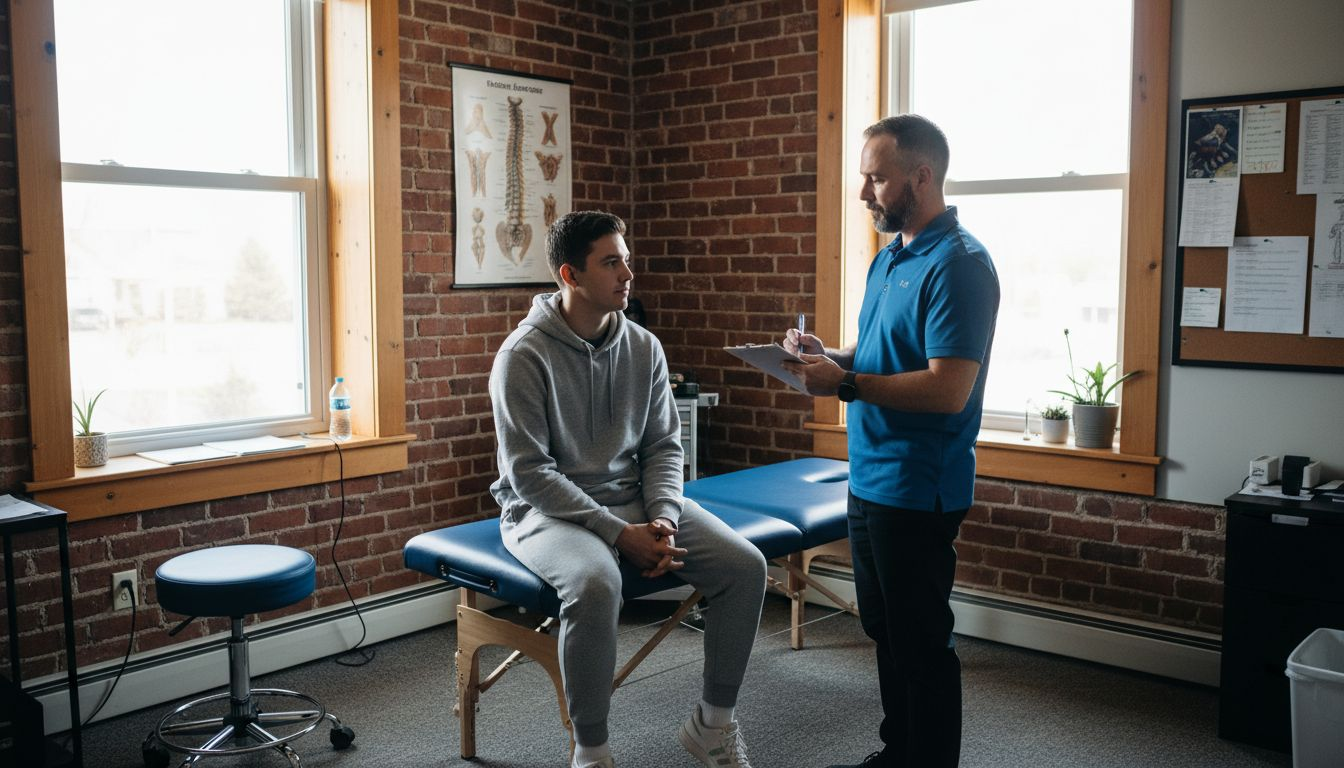
Chronic pain can make even simple tasks in Ottawa feel exhausting, leaving you searching for answers and practical relief. Understanding the exact steps of the chiropractic process helps you take control of your health and select treatment with confidence. This guide walks you through the full journey from comprehensive chiropractic assessment to detailed progress checks, giving you clear insight into what to expect and how to prepare for every appointment.
Table of Contents
Quick Summary
Important Insight | Explanation |
1. Detailed Assessment is Essential | Your first chiropractic assessment identifies your unique musculoskeletal needs for tailored treatment. |
2. Prepare Thoroughly for Your Appointment | Gather your medical history and current medications to provide context for your chiropractor. |
3. Open Communication is Key | Discuss your symptoms and treatment responses openly to ensure an effective care strategy. |
4. Monitor Progress Regularly | Systematically evaluate your treatment outcomes to adapt your care plan as needed. |
5. Collaborate on Treatment Goals | Work with your chiropractor to set realistic and achievable wellness objectives for your health journey. |
Step 1: Assess your musculoskeletal health concerns
Your initial chiropractic assessment is a critical first step in understanding your unique musculoskeletal health needs. This comprehensive evaluation allows our healthcare professionals to develop a personalised treatment strategy tailored specifically to your body’s condition and wellness goals.
During this initial consultation, you will undergo a detailed chiropractic health assessment that involves multiple components. Our practitioners will conduct a thorough review of your medical history, performing a comprehensive physical examination to identify the root causes of your musculoskeletal concerns. This process includes evaluating your posture, spinal alignment, joint mobility, muscle strength, and overall biomechanical function.
The assessment typically involves a combination of visual examinations, physical palpations, and potential diagnostic imaging to create a holistic understanding of your musculoskeletal health. We will discuss your specific symptoms, lifestyle factors, previous injuries, and wellness objectives to develop a precise treatment approach. By gathering this detailed information, we can set realistic treatment goals and create a targeted care plan that addresses your individual needs.
Professional Insight: Always bring a comprehensive list of your current medications and previous medical records to ensure the most accurate assessment possible.
Step 2: Prepare for your chiropractic appointment
Your first chiropractic appointment requires thoughtful preparation to ensure a comprehensive and efficient consultation. By gathering essential information and understanding the process, you can maximise the value of your initial visit and help your chiropractor develop an effective treatment strategy.
To prepare effectively, begin by gathering comprehensive health documentation in advance. This includes medical records, recent test results, imaging studies, and a detailed list of current medications. Compile a thorough medical history highlighting previous injuries, chronic conditions, and any specific symptoms you are experiencing. This documentation will provide your chiropractor with crucial insights into your overall health and help them understand the context of your musculoskeletal concerns.
When arriving for your appointment, wear comfortable clothing that allows easy movement and access to the areas being examined. Be prepared to discuss your symptoms in detail, including their onset, duration, intensity, and any factors that exacerbate or alleviate your discomfort. Your openness and willingness to share comprehensive information will enable your chiropractor to develop a precise and personalised treatment approach tailored to your specific needs.
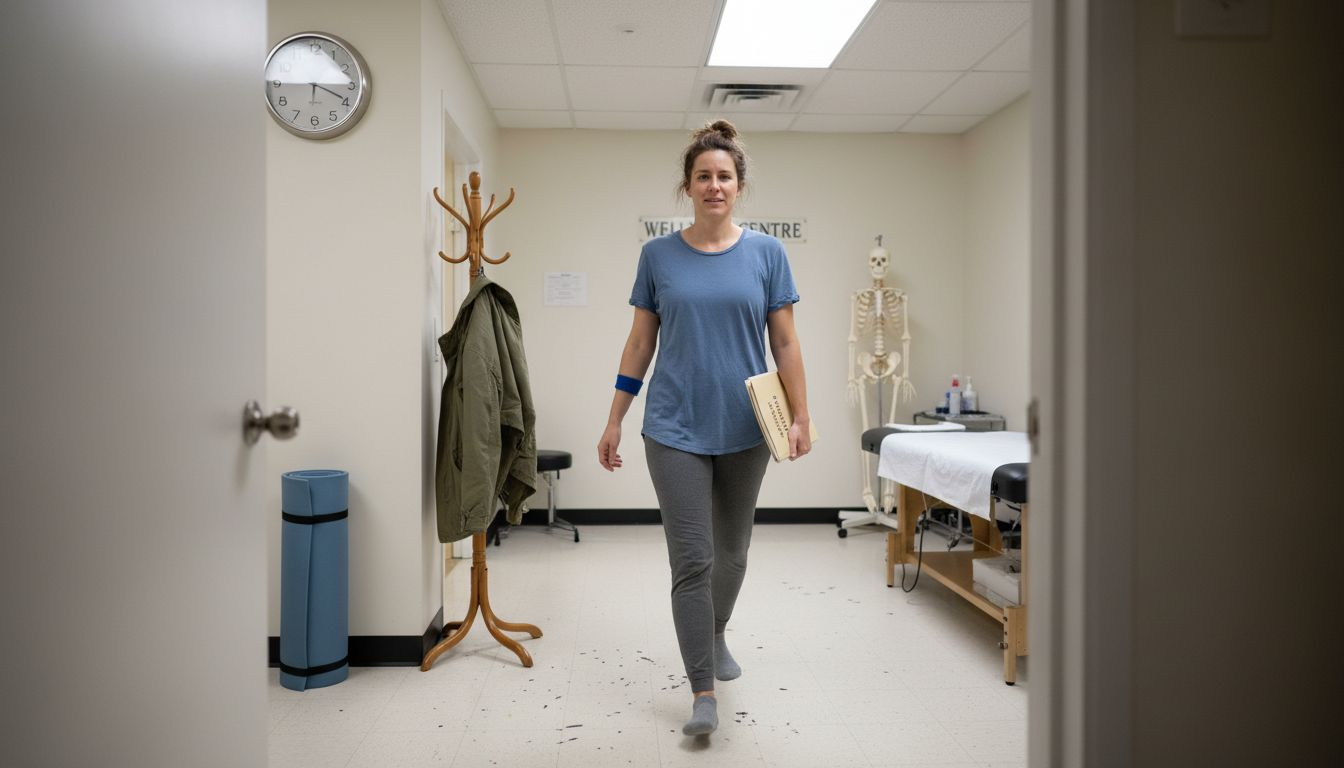
Professional Insight: Take photographs or bring visual documentation of any relevant physical conditions or past injuries to provide additional context for your chiropractor.
Step 3: Undergo personalized chiropractic evaluation
A personalised chiropractic evaluation is a comprehensive diagnostic process designed to understand your unique musculoskeletal health and develop a targeted treatment strategy. This crucial step will help your chiropractor gain deep insights into your physical condition and create a precise approach to addressing your specific health concerns.
During the evaluation, your chiropractor will conduct a thorough clinical assessment involving multiple diagnostic components. This includes an in-depth clinical interview where you will discuss your medical history, current symptoms, lifestyle factors, and specific health challenges. The physical examination will systematically assess your posture, neurological function, joint mobility, muscle strength, and overall biomechanical performance. Your chiropractor may also utilise diagnostic imaging such as X-rays or other specialised tests to gain a comprehensive understanding of your musculoskeletal system.
Following the detailed examination, your chiropractor will provide a comprehensive neuromusculoskeletal diagnosis and discuss the findings with you. They will explain their observations, potential underlying issues, and recommend an appropriate treatment plan tailored to your individual needs. This collaborative approach ensures that you understand your health status and are actively involved in developing a strategy for improvement and recovery.
Professional Insight: Be prepared to ask questions and seek clarification about your assessment results to fully understand your musculoskeletal health.
Step 4: Experience evidence-based chiropractic treatment
Evidence-based chiropractic treatment represents a comprehensive and scientifically validated approach to addressing your musculoskeletal health challenges. This personalised treatment strategy aims to restore your body’s natural alignment, reduce pain, and improve overall functional mobility through precise and targeted interventions.
During your treatment, your chiropractor will apply targeted therapeutic techniques specifically designed to address your unique musculoskeletal conditions. These interventions may include spinal adjustments, soft tissue manipulation, rehabilitative exercises, and postural correction strategies. Each technique is carefully selected based on your individual assessment results, ensuring a customised approach that addresses the root causes of your discomfort rather than simply masking symptoms.
The treatment process is collaborative and dynamic. Your chiropractor will continuously monitor your progress, making real-time adjustments to your treatment plan as your body responds. They will work closely with you to understand your treatment goals, track improvements, and provide ongoing guidance on maintaining musculoskeletal health through lifestyle modifications, ergonomic recommendations, and targeted exercise protocols.
Professional Insight: Maintain open communication with your chiropractor about your pain levels, treatment responses, and any changes in your physical condition to optimise your recovery journey.
Step 5: Verify your progress and adjust your care plan
Verifying your progress is a critical component of your chiropractic treatment journey, ensuring that your care remains targeted and effective. This step involves collaborative assessment between you and your healthcare provider to track your musculoskeletal health improvements and make necessary adjustments to your treatment strategy.
Your chiropractor will conduct systematic progress evaluations using validated assessment tools and patient reported measures. These evaluations will systematically document your functional improvements, pain reduction, range of motion changes, and overall treatment response. During these assessments, your practitioner will compare your current physical condition with initial baseline measurements, identifying objective markers of recovery and areas requiring further intervention.
Compare different assessment tools used in chiropractic care:
Tool Type | Purpose | Example Application |
Visual Exam | Observe posture, alignment | Initial screening for deformity |
Physical Palpation | Detect joint/muscle issues | Identify tender points |
Diagnostic Imaging | Review internal structures | Confirm diagnosis or rule out serious conditions |
Patient-Reported Measures | Track treatment outcomes | Assess pain levels over time |
The progress verification process is dynamic and responsive. If your body demonstrates significant improvement, your treatment plan might be modified to focus on maintenance and prevention. Conversely, if progress is slower than anticipated, your chiropractor may recommend alternative techniques, additional therapies, or referrals to complementary healthcare professionals. This adaptive approach ensures that your care remains personalised, evidence-based, and precisely aligned with your healing trajectory.
Professional Insight: Maintain a detailed personal journal documenting your symptoms, pain levels, and physical changes between appointments to provide your chiropractor with comprehensive insights into your recovery.
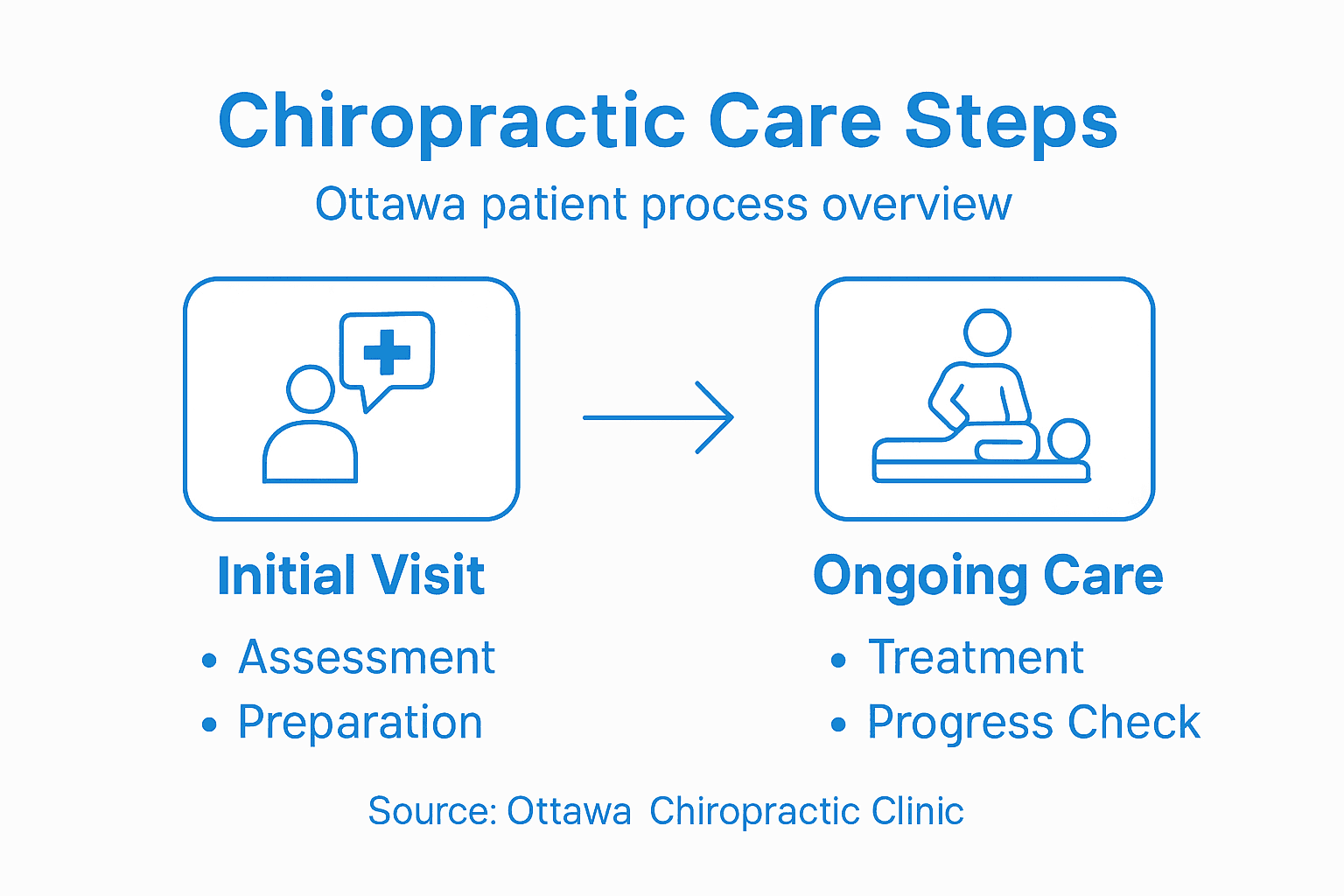
Here’s a summary of key steps and their main objectives during a chiropractic care journey:
Step | Main Objective | Patient’s Role |
Assessment | Identify musculoskeletal issues | Provide health history |
Preparation | Gather essential documentation | Wear comfortable clothing |
Evaluation | Conduct comprehensive exam | Discuss symptoms openly |
Treatment | Implement evidence-based therapies | Report progress, follow advice |
Progress Check | Adjust care plan as needed | Track symptoms, share updates |
Take the Next Step Toward Effective Musculoskeletal Health Care
Understanding the detailed chiropractic process can feel overwhelming when managing pain, mobility challenges, or recovery goals. The step-by-step approach described helps Ottawa patients assess, evaluate, and experience personalised, evidence-based treatments. However, navigating these stages alone can be a challenge when you want to ensure optimal results and steady progress verification.
At Integrate Ottawa, we specialise in comprehensive musculoskeletal care that supports each step outlined in your chiropractic journey. Our collaborative team offers not only chiropractic care but also physiotherapy and targeted pain management strategies designed to accelerate your healing and maintain your progress. We help you move confidently through assessment, personalised treatment, and ongoing evaluations in a supportive environment tailored to your unique needs.

Ready to experience a care plan that evolves with your body? Visit Integrate Ottawa today to book your initial consultation and learn more about our full range of services. Take control of your musculoskeletal health with expert guidance every step of the way.
Frequently Asked Questions
What should I expect during my first chiropractic assessment?
Your first chiropractic assessment will involve a thorough review of your medical history and a comprehensive physical examination to identify your musculoskeletal health needs. Prepare to discuss your symptoms in detail and bring any relevant health documentation to help your chiropractor create a personalised treatment plan.
How can I prepare for my chiropractic appointment effectively?
To prepare for your chiropractic appointment, gather essential health documentation such as medical records, recent test results, and a list of current medications. Wear comfortable clothing and come ready to discuss your symptoms in detail, which will help your chiropractor tailor your treatment strategy.
What is included in a personalised chiropractic evaluation?
A personalised chiropractic evaluation includes a clinical interview to discuss your medical history, symptoms, and lifestyle factors, along with a physical examination that assesses posture, joint mobility, and muscle strength. Your chiropractor may also recommend diagnostic imaging to gain a comprehensive understanding of your condition.
How often will I need to attend chiropractic treatment sessions?
The frequency of chiropractic treatment sessions varies based on your individual needs and progress. Initially, you may be advised to attend sessions 1-2 times per week, and this may adjust to once every few weeks as you experience improvements in your symptoms and overall health.
How will my progress be tracked during chiropractic care?
Your progress will be tracked through systematic evaluations that document changes in pain levels, range of motion, and functional improvements. Expect to discuss your symptoms regularly with your chiropractor, allowing them to adjust your care plan as necessary to optimise your recovery.
What can I do at home to support my chiropractic treatment?
To support your chiropractic treatment, maintain a personal journal documenting your symptoms and progress, and follow any lifestyle modifications or exercise recommendations provided by your chiropractor. Engaging in regular physical activity and managing stress can also enhance your recovery journey.
Recommended
Comments