

7-Step Chiropractic Care Checklist for Ottawa Residents
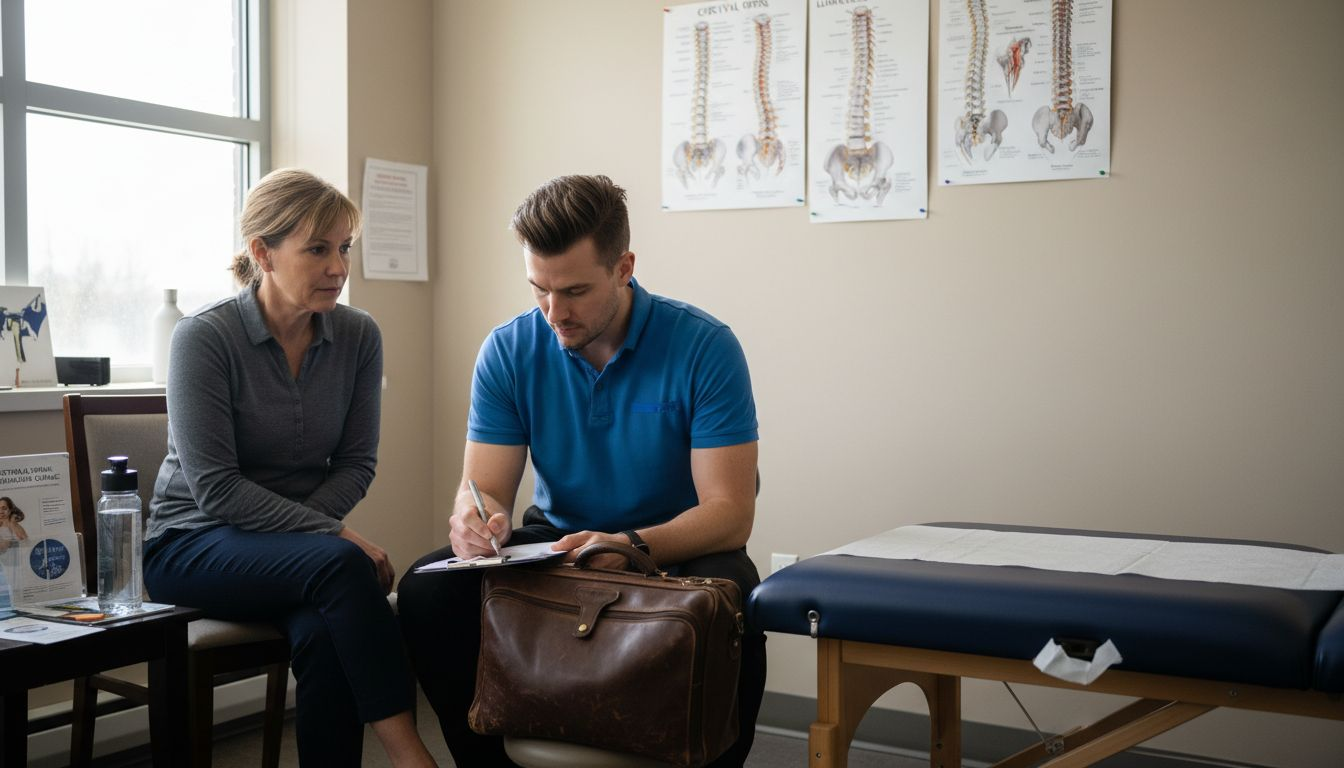
Persistent back or neck pain affects over 60 percent of Canadian adults at some point in their lives. In Ottawa, those aches are more than just discomfort—they disrupt your routine, drain energy, and impact daily activities. If you are seeking lasting relief and trustworthy chiropractic guidance, understanding each step of your care is essential. This article reveals practical strategies to help you communicate your symptoms, choose qualified providers, and track your progress for real results.
Table of Contents
Quick Summary
Takeaway | Explanation |
1. Assess Your Pain Thoroughly | Document your pain’s specifics to help chiropractors tailor treatment effectively. |
2. Review Clinic Credentials | Look for qualified practitioners with a team-based approach for holistic care. |
3. Prepare Your Health History | Detailed past medical records are essential for an effective assessment. |
4. Understand Treatment Options | Engage in discussions about treatment options for informed decision-making. |
5. Track Your Recovery Progress | Set clear milestones to understand and evaluate treatment effectiveness. |
1. Assess Your Pain and Health Goals
Understanding your pain and establishing clear health objectives is the foundational first step in your chiropractic care journey. Proper assessment provides your healthcare team with essential insights into your unique physiological needs, enabling a tailored treatment approach that addresses your specific concerns.
Canadian health research emphasizes the critical importance of person-centered pain management, recognizing pain as a complex biopsychosocial condition that requires comprehensive evaluation. This means your pain is not just a physical symptom, but a multifaceted experience influenced by physical, emotional, and environmental factors.
To effectively assess your pain and health goals, begin by documenting detailed information about your symptoms. Note the specific location of pain, its intensity, duration, and any triggering activities or movements. Consider questions such as: When did the pain start? Does it radiate or remain localized? What makes it better or worse?
Your chiropractic assessment will typically involve:
Comprehensive medical history review
Physical examination
Postural and movement analysis
Specific range of motion tests
Neurological screening
By providing thorough, honest information, you empower your chiropractor to develop a precise, personalized treatment strategy that addresses the root causes of your discomfort.
Pro tip: Create a pain diary for 1 week before your initial assessment, tracking pain levels, activities, and potential triggers. This documentation provides invaluable insights that will help your healthcare professional design the most effective treatment plan.
2. Review Clinic Credentials and Team Approach
Choosing the right chiropractic clinic involves more than just finding a healthcare provider it requires understanding the depth of expertise and collaborative approach of the entire medical team. A comprehensive team-based approach to healthcare ensures that you receive holistic, integrated treatment addressing multiple aspects of your physical wellbeing.
Clinic Credentials represent a critical factor in selecting the right chiropractic care. Look for practitioners with recognized qualifications from accredited Canadian chiropractic institutions, professional memberships in national regulatory bodies, and ongoing professional development credentials.
Key aspects to evaluate include:
Educational background of practitioners
Professional licensing and certifications
Years of clinical experience
Specialization areas
Continuing education involvement
A strong chiropractic clinic should demonstrate a multidisciplinary approach, integrating different healthcare perspectives to provide comprehensive patient care. This means practitioners from various disciplines collaborate to develop personalized treatment strategies that address your unique health needs.
When reviewing a clinic, consider their commitment to evidence-based practice, patient-centred care, and their ability to communicate complex healthcare information clearly and compassionately.
Pro tip: Request a brief consultation or information session to personally assess the clinic’s team dynamics, communication style, and approach to patient care before committing to a full treatment plan.
3. Prepare Your Health History and Daily Routine
Your comprehensive health history and daily routine form the foundation of an effective chiropractic assessment, providing critical insights into potential underlying conditions and lifestyle factors that impact your musculoskeletal health. Understanding how your daily activities contribute to pain and discomfort is essential for developing a targeted treatment strategy.
Health History Documentation requires thorough and honest reporting of past and current medical conditions. This includes previous injuries, surgeries, chronic health issues, medication usage, and family medical history. Your integrative healthcare approach relies on comprehensive information to develop a personalized treatment plan.
Key elements to document include:
Previous musculoskeletal injuries
Chronic pain conditions
Surgical history
Current medications
Lifestyle factors such as work environment
Exercise and physical activity levels
Sleep patterns
Stress levels and mental health
Daily Routine Analysis helps chiropractors understand how your regular activities might contribute to physical strain. Consider documenting:
Work posture and ergonomics
Repetitive movements
Physical activity types
Sleeping positions
Stress management techniques
A detailed record provides your healthcare team with crucial context about potential pain sources and lifestyle modifications that could enhance your treatment outcomes.
Pro tip: Create a digital or physical journal tracking daily activities, pain levels, and physical sensations for at least one week before your initial chiropractic consultation. This comprehensive documentation will help your practitioner develop a more precise treatment strategy.
4. Understand and Discuss Treatment Options
Effective chiropractic care relies on transparent communication and a collaborative approach to treatment planning. Understanding the range of available options empowers you to make informed decisions about your musculoskeletal health and recovery process.
The Canadian Chiropractic clinical practice guidelines emphasize the importance of patient engagement and shared decision making in treatment strategies. These evidence-based recommendations provide a comprehensive framework for discussing potential interventions tailored to your specific health needs.
Treatment Options Typically Include:
Manual spinal adjustments
Soft tissue manipulation
Rehabilitative exercises
Postural correction techniques
Lifestyle and ergonomic recommendations
Complementary therapeutic approaches
Key Considerations When Discussing Treatment:
Expected treatment duration
Potential outcomes and success rates
Potential side effects or risks
Alternative treatment approaches
Measurement and tracking of progress
Your chiropractor should provide clear explanations about each proposed intervention, helping you understand the rationale behind their recommended approach. Active participation means asking questions, expressing concerns, and collaboratively developing a treatment plan that aligns with your health goals and personal preferences.
Pro tip: Prepare a list of specific questions about proposed treatments before your consultation, ensuring you thoroughly understand each recommended intervention and its potential impact on your health.
5. Set Realistic Recovery and Progress Milestones
Establishing clear and achievable recovery milestones transforms your chiropractic treatment from a passive experience to an active, collaborative journey towards optimal health. Tracking your progress systematically helps you and your healthcare provider understand the effectiveness of your treatment plan and make necessary adjustments.
The Canadian outcome assessment guidelines recommend using both subjective and objective measures to evaluate treatment progress. These comprehensive tracking methods provide a holistic view of your recovery.
Subjective Progress Indicators:
Pain intensity levels
Comfort during daily activities
Sleep quality
Overall mobility
Emotional wellbeing
Objective Progress Measurements:
Range of motion tests
Strength assessments
Postural alignment checks
Neurological function evaluations
Flexibility measurements
Milestone Setting Strategies:
Create short term goals (1 3 weeks)
Establish medium term objectives (1 3 months)
Define long term health targets (6 12 months)
Remain flexible and adaptable
Celebrate incremental improvements
Remember that recovery is not linear. Some weeks you might experience significant improvements, while others may feel slower. Consistent communication with your chiropractor and maintaining a positive mindset are key to successful rehabilitation.
Pro tip: Maintain a digital or physical progress journal documenting your symptoms, mobility, and emotional state. This detailed record will provide valuable insights for both you and your healthcare provider.
6. Follow Home Care Instructions and Exercises
Successful chiropractic treatment extends far beyond your in clinic appointments. Your commitment to prescribed home exercises and care instructions plays a critical role in accelerating recovery and preventing future musculoskeletal issues.
The Canadian Chiropractic self management guidelines emphasize patient engagement as a key factor in achieving optimal rehabilitation outcomes. These evidence based recommendations provide structured guidance for continuing your treatment between professional sessions.
Key Components of Home Care:
Prescribed therapeutic exercises
Specific stretching routines
Postural correction techniques
Pain management strategies
Ergonomic modifications
Effective Home Exercise Principles:
Follow precise instructions carefully
Maintain correct form and technique
Start with gentle movements
Progress gradually
Listen to your body
Report any increased pain to your chiropractor
Consistent practice of recommended exercises helps reinforce clinical treatments, improves muscle strength, enhances flexibility, and promotes faster recovery. Your active participation transforms rehabilitation from a passive experience to an empowering journey of healing.
Pro tip: Create a dedicated space in your home for performing prescribed exercises, and schedule specific times daily to ensure you maintain a consistent rehabilitation routine.
7. Track Outcomes and Plan Ongoing Visits
Successful chiropractic treatment is a dynamic process that requires consistent evaluation and strategic planning. Understanding how to effectively track your progress and schedule future visits ensures optimal recovery and long term musculoskeletal health.
The Canadian chiropractic reassessment guidelines emphasize the importance of systematic outcome tracking to justify care decisions and document patient improvement. This scientific approach transforms your treatment from a passive experience to an active, collaborative journey.
Outcome Tracking Strategies:
Document pain intensity levels
Measure range of motion improvements
Assess functional mobility changes
Record subjective comfort experiences
Track physical activity tolerance
Ongoing Visit Planning Considerations:
Initial treatment phase frequency
Maintenance and prevention sessions
Gradual reduction of visit intervals
Long term wellness objectives
Periodic comprehensive reassessments
Effective outcome tracking involves more than simply recording numbers. It requires honest self reflection, clear communication with your chiropractor, and a commitment to understanding your body’s healing process.
Your treatment plan should be flexible and responsive to your unique recovery trajectory. Some patients progress rapidly, while others require more gradual rehabilitation interventions.
Pro tip: Create a digital or physical health journal documenting your symptoms, exercise progress, and treatment responses. This comprehensive record will provide valuable insights for both you and your healthcare provider.
Below is a comprehensive table summarizing the steps and considerations for enhancing your chiropractic care experience as discussed throughout the article.
Aspect | Details | Pro Tips |
Understand Pain and Goals | Assess the pain characteristics and establish health objectives for personalized treatment plans. | Maintain a week-long pain diary to document symptoms, triggers, and relief patterns. |
Evaluate Clinic Credentials | Review practitioner qualifications and team approach aligning with multidisciplinary patient care. | Schedule a consultation to gauge the clinic’s professional environment and approach. |
Provide Health History | Share comprehensive medical history and daily routine details for targeted assessments. | Document your activities, pain intensity, and patterns in a journal for thorough evaluation. |
Explore Treatment Options | Understand the available interventions, their purpose, and their expectations. | Prepare questions on the treatment procedures to ensure clarity and informed decisions. |
Set Recovery Milestones | Define achievable short-term, medium-term, and long-term health objectives to measure progress. | Create a journal to log recovery metrics, such as mobility improvements and pain intensity. |
Follow Home Care Guidance | Adhere to exercise schedules and ergonomic advisories provided by your chiropractor. | Establish a designated area and consistent time for completing home care exercises. |
Track Outcomes Continuously | Regularly assess treatment responses using both subjective and objective measures. | Record mobility, pain changes, and other key metrics to share with your chiropractor. |
Take Control of Your Musculoskeletal Health with Expert Chiropractic Care in Ottawa
Living with persistent pain or recovering from injury can be overwhelming. The “7-Step Chiropractic Care Checklist for Ottawa Residents” highlights crucial steps like assessing your pain, understanding treatment options, and setting realistic recovery milestones. If you are ready to move beyond temporary relief and want a team-based, evidence-supported approach that truly listens to your unique health goals integrating physiotherapy, massage therapy, and chiropractic care can help transform your recovery journey.
Experience care designed around your full health history and daily routine while benefiting from collaborative professionals committed to patient-centred solutions. Start your healing with a trusted local team that supports ongoing progress tracking and personalized home care plans.

Discover how comprehensive musculoskeletal treatment at Integrate Ottawa can guide you every step of the way. Book your first assessment today and take a confident step toward lasting wellness with a cohesive care plan tailored to your needs. Visit our main page now to secure your appointment or learn more about our services such as chiropractic care and pain and injury medicine. Your path to relief and balanced health starts here.
Frequently Asked Questions
How can I assess my pain and health goals before visiting a chiropractor?
To assess your pain and health goals, document the specifics of your symptoms, including the location, intensity, duration, and triggers. Start by keeping a pain diary for one week to gather insights that will assist your chiropractor in developing a personalized treatment plan.
What should I look for when reviewing a chiropractic clinic’s credentials?
When reviewing a chiropractic clinic’s credentials, check the educational background, professional licensing, clinical experience, and any specializations of the practitioners. Request a consultation to evaluate their team approach and communication style before proceeding with treatment.
How can I prepare my health history for the initial chiropractic consultation?
To prepare your health history, compile details about past injuries, surgeries, chronic health issues, medications, and family medical history. Ensure you also document lifestyle factors and daily routines that may impact your musculoskeletal health.
What treatment options are available in chiropractic care?
Chiropractic care typically includes manual spinal adjustments, soft tissue manipulation, rehabilitative exercises, and lifestyle recommendations. Discuss these options with your chiropractor to understand the expected duration and outcomes of each intervention.
How can I set realistic recovery milestones during chiropractic treatment?
To set realistic recovery milestones, identify short-term goals over one to three weeks, medium-term objectives over one to three months, and long-term health targets spanning six to twelve months. Regularly track your progress and communicate with your chiropractor to adjust milestones as needed.
What home care instructions should I follow after my chiropractic appointment?
Follow the prescribed home care instructions, which often include therapeutic exercises, stretching routines, and ergonomic modifications. Commit to these practices daily to support recovery and enhance your treatment outcomes.
Recommended
Comments