

Physiotherapy in Aging – Improving Mobility and Independence
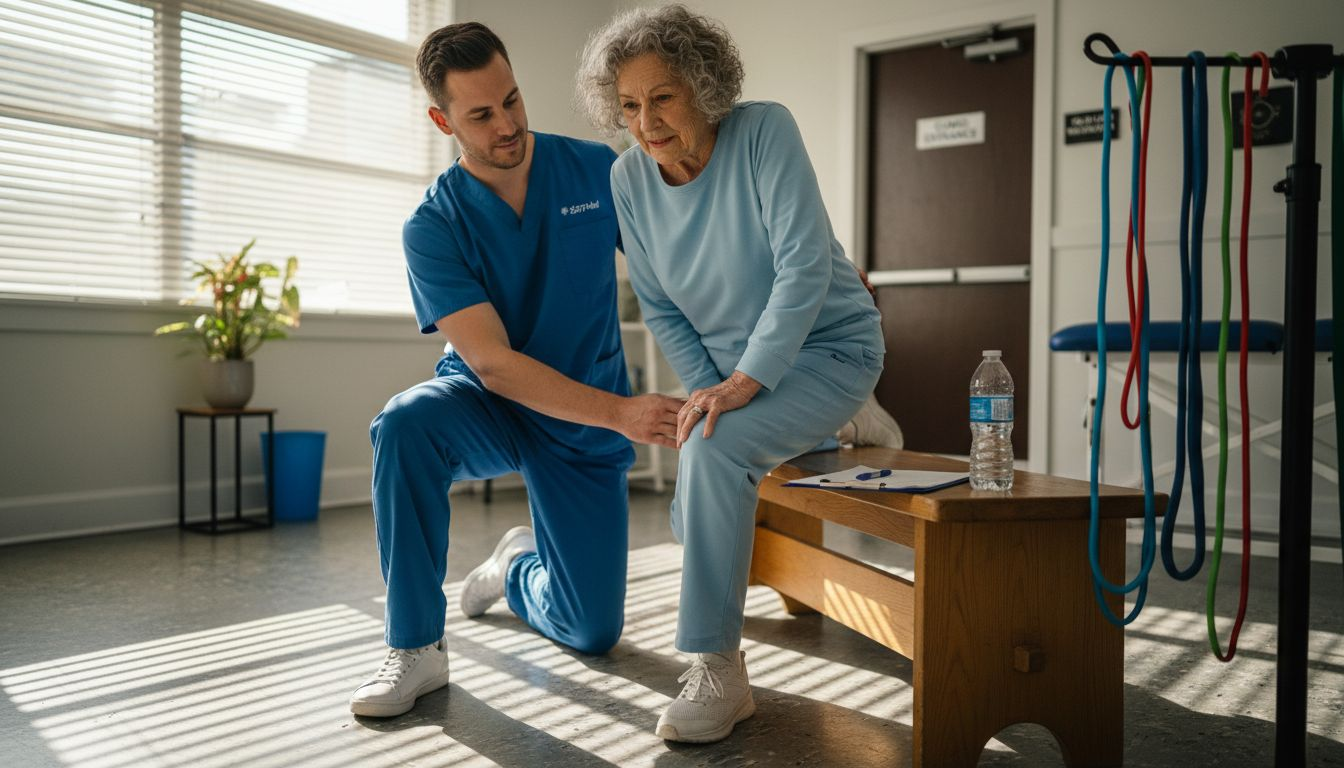
Over half of Canadian seniors experience significant mobility limitations as they age. For older adults in Ottawa, maintaining independence and physical comfort often hinges on addressing musculoskeletal challenges with expert guidance. Discover how physiotherapy provides targeted support to help you move with greater ease, manage chronic conditions, and enhance your daily quality of life through focused, personalized care.
Table of Contents
Key Takeaways
Point | Details |
Role of Physiotherapy | Physiotherapy is essential for older adults, focusing on maintaining physical function and independence through tailored interventions. |
Types of Geriatric Physiotherapy | Key types include Orthopedic, Neurological, and Cardiopulmonary Physiotherapy, each addressing specific age-related conditions. |
Importance of Early Consultation | Early consultation with a physiotherapist can help create a proactive strategy for mobility maintenance and fall prevention. |
Access and Cost Considerations | Selecting a suitable physiotherapy provider involves evaluating credentials, treatment costs, and available insurance coverage options. |
Defining physiotherapy’s role in aging
Physiotherapy in aging is a specialized healthcare approach designed to help older adults maintain physical function, mobility, and independence through targeted interventions and rehabilitation strategies. As individuals progress through later life stages, musculoskeletal challenges become increasingly complex, requiring professional guidance to preserve physical capabilities and quality of life.
A comprehensive understanding of physiotherapy’s role in recovery reveals that practitioners focus on addressing age-related physical limitations through personalized assessment and treatment plans. These interventions typically encompass exercises that improve strength, flexibility, balance, and coordination, which are critical for preventing falls and maintaining daily functional independence.
Physiotherapists working with older adults employ a holistic approach that considers individual health histories, current physical conditions, and specific mobility goals. Their strategies might include manual therapy techniques, therapeutic exercises, joint mobilization, soft tissue manipulation, and education about proper movement patterns. By targeting specific physical challenges associated with aging, physiotherapists help seniors maintain muscle tone, joint health, and overall physical resilience.
Pro Tip: Consult a physiotherapist early to develop a proactive mobility maintenance strategy, as preventative care is significantly more effective than reactive treatment approaches.
Major types of geriatric physiotherapy
Geriatric physiotherapy encompasses several specialized approaches tailored to address the unique physical challenges experienced by older adults. These targeted interventions are designed to support mobility, manage chronic conditions, and enhance overall quality of life through carefully structured therapeutic techniques.
One primary type of geriatric physiotherapy is orthopedic rehabilitation, which focuses on treating age-related musculoskeletal conditions such as arthritis, joint replacements, and osteoporosis. By understanding the role of physiotherapists, patients can receive personalized treatment plans that address specific mobility restrictions and pain management strategies.
Another critical category is neurological physiotherapy, which addresses conditions like Parkinson’s disease, stroke recovery, and balance disorders common among seniors. These interventions involve specialized exercises and techniques to improve neural function, restore movement patterns, and mitigate the risk of falls. Therapists use targeted approaches such as gait training, coordination exercises, and cognitive movement strategies to help patients maintain independence.
Cardiopulmonary physiotherapy represents a third essential type of geriatric intervention, concentrating on improving respiratory function and cardiovascular endurance. This approach is particularly crucial for seniors managing chronic respiratory conditions, helping them enhance breathing capacity, increase stamina, and support overall cardiovascular health through carefully designed exercise protocols.
Pro Tip: Request a comprehensive initial assessment from your physiotherapist to develop a personalized treatment strategy that addresses your specific age-related mobility challenges.
Here is a summary of the main types of geriatric physiotherapy and their primary focus:
Physiotherapy Type | Main Focus | Common Conditions Treated |
Orthopedic Rehab | Joint and bone health | Arthritis, fractures, osteoporosis |
Neurological | Neural function and balance | Stroke, Parkinson’s, neuropathy |
Cardiopulmonary | Heart and lung performance | COPD, heart disease, asthma |
Addressing common age-related conditions
As individuals age, they encounter a range of physiological changes that can significantly impact mobility, strength, and overall physical function. Chronic conditions become increasingly prevalent, creating complex health challenges that require specialized and comprehensive therapeutic approaches.
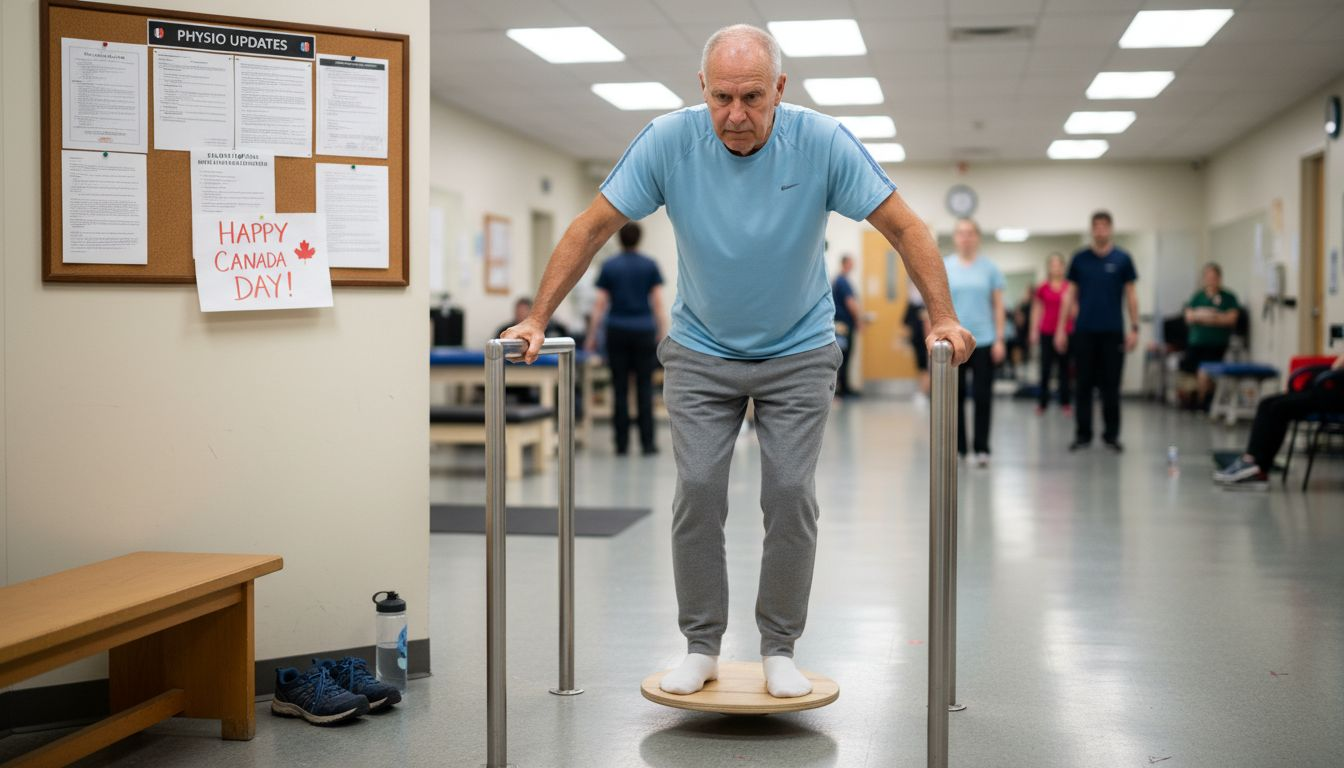
Arthritis represents one of the most common age-related conditions physiotherapists address. Preventive physiotherapy techniques can help manage joint inflammation, reduce pain, and maintain range of motion through targeted exercises and manual therapy interventions. These strategies focus on maintaining joint flexibility, strengthening supporting muscles, and developing adaptive movement patterns that minimize discomfort and preserve independence.
Balance disorders and fall risks emerge as another critical concern for older adults. Physiotherapists employ specialized assessment and intervention strategies to identify potential mobility limitations, muscle weaknesses, and neurological challenges that contribute to instability. By developing personalized rehabilitation programs, these professionals help seniors improve proprioception, muscle coordination, and spatial awareness, ultimately reducing the likelihood of potentially devastating falls.
Cardiovascular and respiratory conditions also represent significant challenges in geriatric care. Physiotherapy interventions can help manage conditions like chronic obstructive pulmonary disease (COPD), heart disease, and reduced cardiovascular endurance. Therapists design carefully structured exercise protocols that improve breathing capacity, enhance cardiovascular performance, and support overall physical resilience without overwhelming the patient’s physiological capacity.
Pro Tip: Maintain a consistent exercise routine and communicate regularly with your physiotherapist about any changes in your physical capabilities or emerging health concerns.
Physiotherapy for mobility and fall prevention
Fall prevention is a critical aspect of maintaining independence and quality of life for older adults. Mobility challenges become increasingly complex with age, making targeted physiotherapeutic interventions essential for reducing the risk of potentially devastating injuries.
Physiotherapists employ comprehensive strategies to improve balance and prevent falls through specialized assessment and personalized intervention protocols. These approaches typically involve a multifaceted evaluation of an individual’s physical capabilities, including strength testing, gait analysis, balance assessments, and neurological function screening. By identifying specific mobility limitations, therapists can design targeted exercise programs that address underlying weaknesses and enhance overall physical stability.
Key intervention strategies include strength training for lower limb muscles, proprioceptive exercises, and balance-specific training techniques. These interventions focus on improving muscle coordination, spatial awareness, and reaction times. Specific exercises might involve standing balance challenges, controlled walking patterns, core stability work, and functional movement training that mimics daily activities. Therapists also incorporate assistive technology recommendations and environmental modification suggestions to further reduce fall risks in seniors’ living spaces.
The psychological aspects of fall prevention are equally important. Many older adults develop fear of falling, which can lead to reduced activity levels and further physical decline. Physiotherapy addresses these concerns by gradually building confidence through carefully structured rehabilitation programs that demonstrate progressive improvement in mobility and functional independence.
Pro Tip: Practice daily balance exercises and maintain open communication with your physiotherapist about any changes in your physical capabilities or movement comfort.
Comparing physiotherapy with other treatments
Treatment options for managing age-related health challenges vary widely, with each approach offering unique benefits and limitations. Physiotherapy distinguishes itself through a holistic, patient-centred methodology that prioritizes functional recovery and long-term wellness rather than temporary symptom management.
When exploring why to choose physiotherapy, patients discover a treatment approach that fundamentally differs from pharmaceutical interventions or surgical solutions. Unlike medications that often mask symptoms or surgical procedures with extended recovery periods, physiotherapy focuses on identifying and addressing root causes of physical dysfunction. This approach involves hands-on therapeutic techniques, targeted exercises, and patient education designed to restore mobility, reduce pain, and improve overall functional capacity.
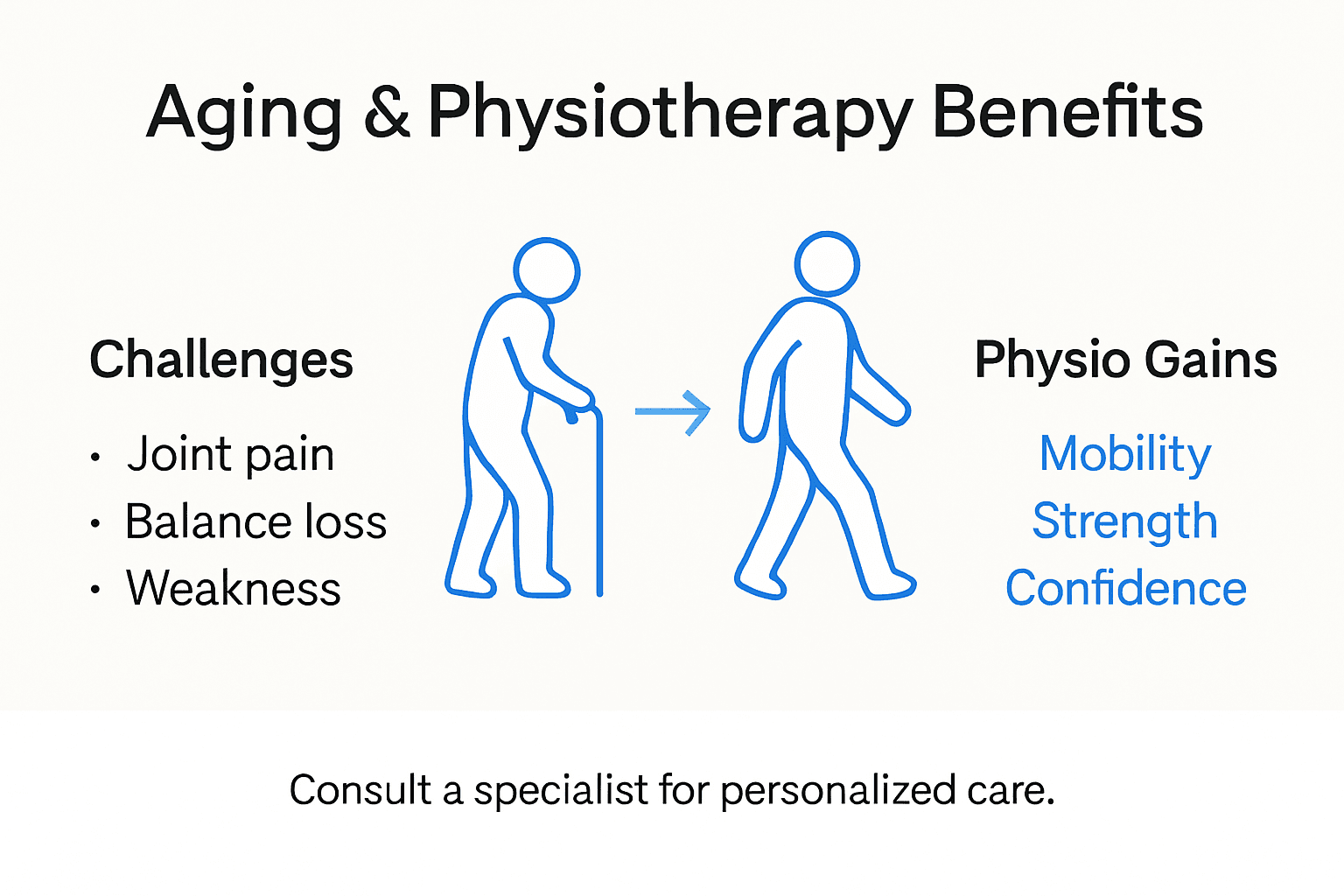
Compared to alternative treatments like medication management or invasive procedures, physiotherapy offers several distinctive advantages. Traditional medical approaches often rely on prescription drugs to manage pain or inflammation, which can introduce complex side effects and potential long-term health complications. In contrast, physiotherapy provides a non-invasive, drug-free strategy that empowers patients to actively participate in their own recovery process. The treatment emphasizes biomechanical understanding, muscle retraining, and progressive rehabilitation techniques that promote natural healing and sustainable physical improvement.
Each treatment modality has specific contexts where it excels. Surgical interventions remain crucial for certain structural injuries, while medications can provide necessary acute symptom relief. However, physiotherapy uniquely bridges these approaches by offering a comprehensive, integrative strategy that addresses physical challenges through movement, targeted exercises, and personalized rehabilitation protocols.
Compare how physiotherapy, medication, and surgery address age-related conditions:
Approach | Root Cause Addressed | Invasiveness | Typical Side Effects |
Physiotherapy | Yes | Non-invasive | Minimal, rare soreness |
Medication | No | Non-invasive | Possible digestive issues, drowsiness |
Surgery | Sometimes | Invasive | Infection risk, longer recovery |
Pro Tip: Consult multiple healthcare professionals to develop a comprehensive treatment strategy that combines the most appropriate interventional approaches for your specific health needs.
Access, cost, and choosing a provider in Ottawa
Navigating physiotherapy services in Ottawa requires understanding the local healthcare landscape, insurance coverage options, and strategies for selecting a qualified provider. Healthcare accessibility for seniors involves considering multiple factors beyond simple treatment costs, including treatment effectiveness, proximity, and individual health needs.
When selecting the right physiotherapy approach, Ottawa residents should consider several critical factors. Most physiotherapy clinics offer direct billing to provincial health insurance and extended health plans, which can significantly reduce out-of-pocket expenses. Typical consultation costs range between $80 to $150 per session, with potential partial coverage through workplace health benefits, Canadian Seniors’ Health Insurance, or supplemental private insurance plans.
Choosing a physiotherapy provider involves evaluating professional credentials, specialization in geriatric care, and clinic location. Look for registered physiotherapists with advanced certifications in senior rehabilitation, experience working with age-related mobility challenges, and a comprehensive approach to treatment. Many Ottawa clinics offer initial assessments that help determine treatment compatibility, allowing seniors to make informed decisions about their healthcare journey without substantial financial risk.
Insurance and funding options vary significantly across different providers and individual circumstances. Some clinics offer sliding scale fees, package treatment options, or group rehabilitation sessions that can help manage overall treatment costs. Veterans, seniors with specific health conditions, and individuals with workplace insurance might qualify for additional financial support or reduced treatment rates.
Pro Tip: Request a detailed breakdown of potential treatment costs and insurance coverage during your initial consultation to avoid unexpected financial surprises.
Regain Your Mobility and Independence with Expert Physiotherapy Care
Aging brings unique challenges to mobility and physical independence that require specialised support. If you are experiencing pain, reduced strength, or balance concerns highlighted in the article “Physiotherapy in Aging – Improving Mobility and Independence,” you are not alone. Key issues like fall prevention, management of arthritis, and improving cardiovascular health need focused, evidence-based interventions tailored for you. Our team understands these challenges and uses terms like “orthopedic rehabilitation” and “neurological physiotherapy” to design personalised care plans that restore your strength, balance, and confidence.
Take control of your health today by exploring how professional physiotherapy at Integrate Ottawa can help you maintain your physical resilience and independence. We combine collaborative care with proven therapeutic techniques in multiple Ottawa locations offering convenient access to specialised services. Discover how a comprehensive assessment can identify your specific needs and create a forward-looking treatment strategy.

Don’t wait until mobility loss limits your lifestyle. Act now to prevent falls, reduce pain, and improve your quality of life with expert guidance from our team. To start your journey towards renewed independence and strength, visit our main site, learn about how physiotherapists support recovery, and see why choosing physiotherapy matters. Book your initial consultation and take the first step toward movement freedom today.
Frequently Asked Questions
What is the role of physiotherapy in aging?
Physiotherapy in aging focuses on helping older adults maintain their physical function, mobility, and independence through targeted interventions, personalized assessment, and rehabilitation strategies tailored to age-related physical challenges.
How does physiotherapy help with fall prevention in seniors?
Physiotherapy plays a critical role in fall prevention by improving balance, strength, and coordination through specialized assessment, tailored exercise programs, and education about safe movement patterns, ultimately reducing the risk of falls.
What types of conditions can geriatric physiotherapy address?
Geriatric physiotherapy can address various age-related conditions, including arthritis, balance disorders, neurological issues, and cardiopulmonary conditions, using focused rehabilitation techniques to improve overall physical health and quality of life.
How can I choose the right physiotherapy provider for senior care?
When selecting a physiotherapy provider, consider their professional credentials, specialization in geriatric care, and clinic location. Look for registered physiotherapists with experience in age-related mobility challenges and inquire about initial assessments to evaluate treatment compatibility.
Recommended
Comments