

Physiotherapy’s Impact on Back Pain Relief in Ottawa
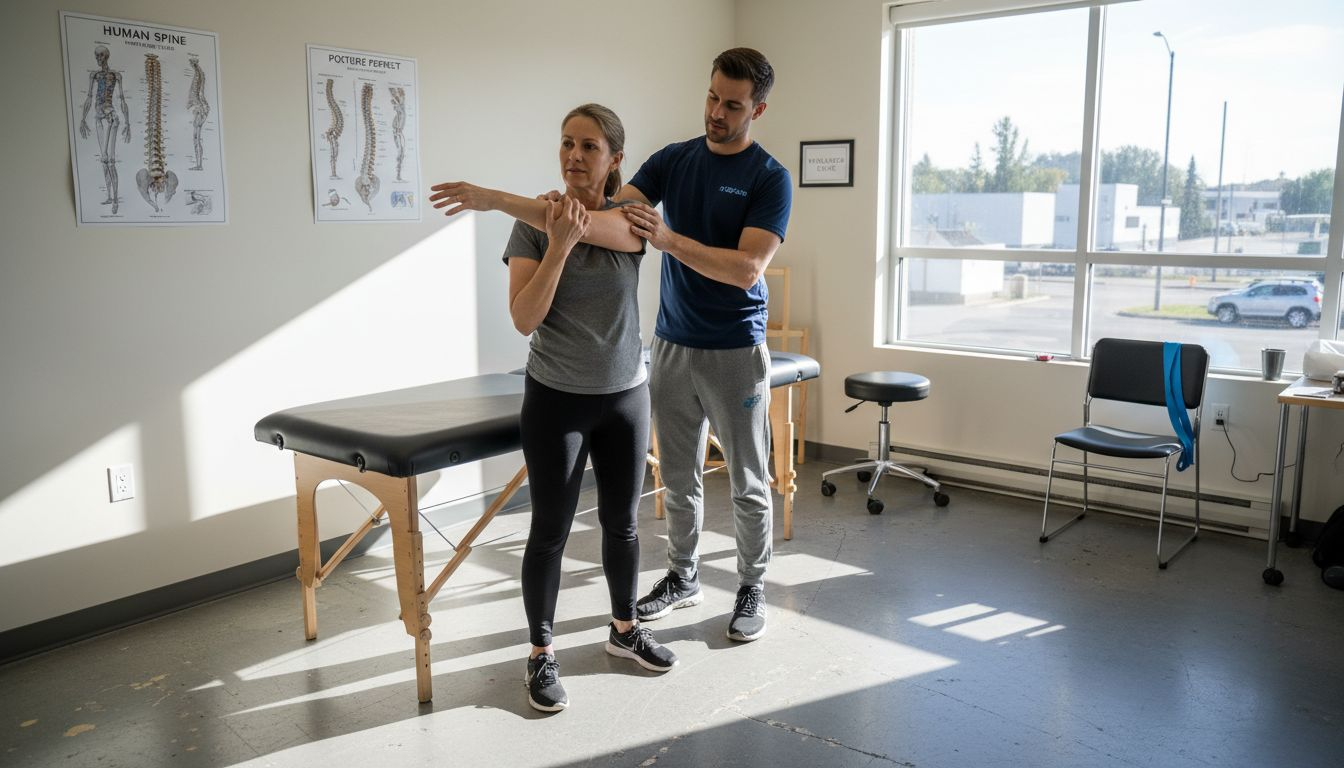
Persistent back pain affects nearly one in five Canadian adults, making everyday tasks a struggle for many Ottawa residents. When discomfort lingers for weeks, finding clear answers can feel frustrating and overwhelming. A multidisciplinary approach rooted in evidence-based physiotherapy draws upon the latest Canadian guidelines to help you identify the real cause of your pain, tailor your recovery, and get you moving confidently again.
Table of Contents
Key Takeaways
Point | Details |
Physiotherapy’s Role in Recovery | Physiotherapy is essential for managing back pain, focusing on mobility restoration and pain reduction. It provides tailored treatment plans based on individual assessments. |
Types of Back Pain | Understanding the classifications of back pain—acute, subacute, chronic, and radicular—is critical for applying appropriate treatment strategies. Each type warrants distinct therapeutic approaches. |
Comprehensive Assessment | Physiotherapists conduct thorough evaluations, including patient history and physical examinations, to accurately diagnose the causes of back pain. This ensures targeted and effective treatment plans. |
Multidisciplinary Approach | Engaging multiple healthcare professionals can enhance treatment outcomes for back pain, addressing both physical and psychological factors holistically. Collaborative care is vital for comprehensive recovery. |
What Physiotherapy Involves for Back Pain
Physiotherapy represents a comprehensive, evidence-based approach to managing and alleviating back pain through targeted interventions designed to restore mobility, reduce discomfort, and enhance overall musculoskeletal function. At its core, the Canadian primary care guidelines for back pain management emphasize physiotherapy’s critical role in preventing disability and promoting patient recovery.
A typical physiotherapy assessment for back pain involves multiple strategic components. These include detailed physical examinations, movement analysis, strength testing, and comprehensive patient history reviews. Physiotherapists conduct thorough evaluations to identify the precise origins of back pain, whether stemming from muscular imbalances, joint restrictions, nerve impingements, or postural misalignments. By understanding each patient’s unique anatomical and functional characteristics, practitioners can develop highly personalized treatment plans.
The treatment protocols in physiotherapy for back pain are multifaceted and may encompass several evidence-based techniques:
Manual Therapy: Hands-on manipulation of joints and soft tissues to improve mobility and reduce pain
Targeted Exercise Prescription: Customized strength and flexibility routines addressing specific muscular weaknesses
Postural Correction Techniques: Strategic interventions to realign spine and reduce mechanical stress
Pain Management Strategies: Techniques including joint mobilization, muscle energy techniques, and trigger point therapy
Patient Education: Comprehensive guidance on ergonomics, movement patterns, and self-management strategies
Pro tip: Always communicate openly with your physiotherapist about your pain levels, daily activities, and treatment progress to optimize your rehabilitation journey.
Types of Back Pain and Treatment Approaches
Back pain is a complex condition with multiple classifications, each requiring unique therapeutic strategies. Canadian clinical practice guidelines comprehensively categorize back pain into distinct types: acute, subacute, chronic, and radicular pain syndromes, recognizing that each presents different challenges and demands specialized treatment approaches.
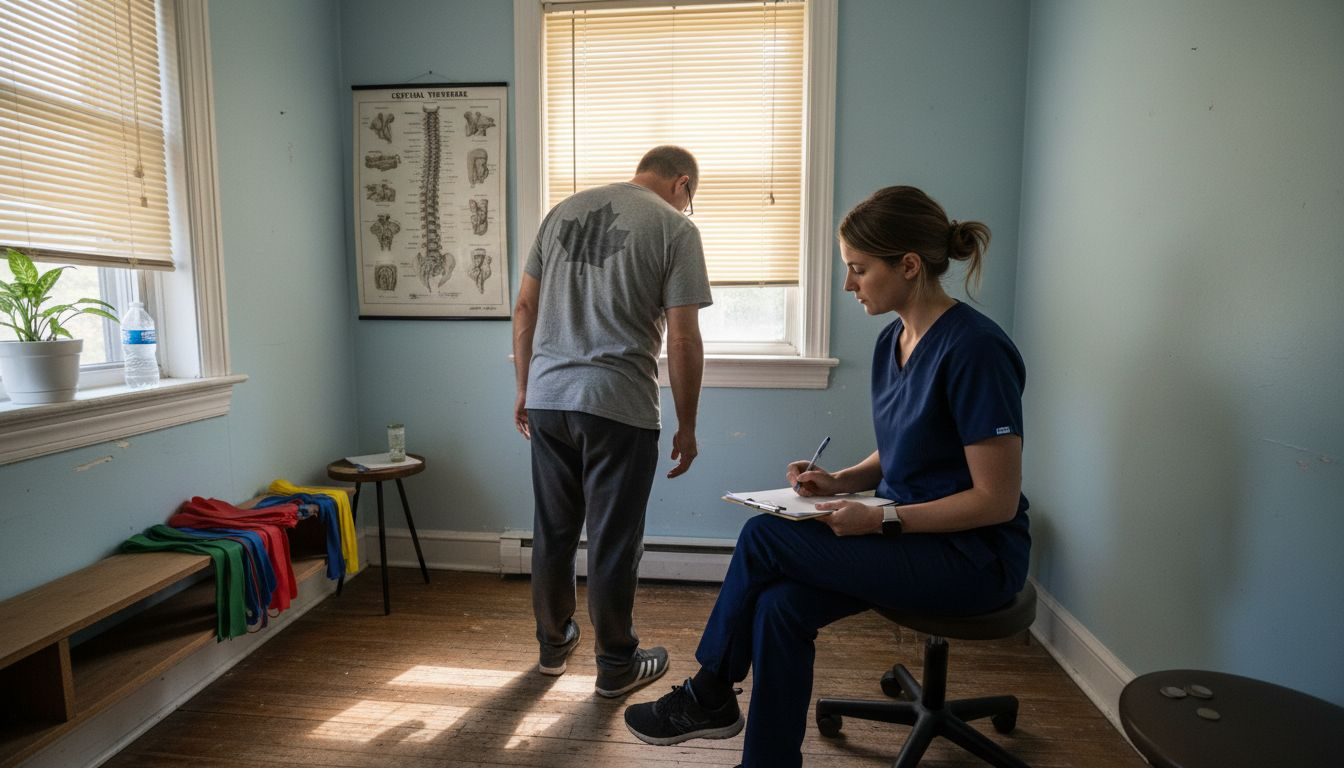
The primary categories of back pain include acute back pain (lasting less than six weeks), subacute back pain (six to twelve weeks), and chronic back pain (persisting beyond twelve weeks). Each stage requires nuanced intervention strategies. Acute back pain often results from sudden injuries or muscle strains and typically responds well to targeted physiotherapy interventions like manual therapy and gentle mobility exercises. Subacute and chronic back pain, conversely, demand more comprehensive multidisciplinary treatment plans that address underlying biomechanical issues, muscular imbalances, and potential psychological factors.
Here’s an overview comparing the main types of back pain and recommended physiotherapy responses:
Pain Type | Typical Duration | Common Causes | Key Therapy Focus |
Acute | Less than 6 weeks | Injury, strain, trauma | Pain relief, gentle motion |
Subacute | 6–12 weeks | Healing stages, lingering issues | Regain mobility, strength |
Chronic | Over 12 weeks | Biomechanics, psychological factors | Comprehensive rehab, lifestyle change |
Radicular | Variable | Nerve involvement | Nerve decompression, education |
Treatment approaches vary depending on the specific pain classification and individual patient needs:
Acute Pain Management:
Rest and gentle movement
Short-term pain medication
Manual therapy techniques
Basic strengthening exercises
Chronic Pain Interventions:
Comprehensive rehabilitation programs
Advanced physiotherapy techniques
Targeted strength and flexibility training
Psychological support strategies
Ergonomic and lifestyle modifications
Pro tip: Document your pain patterns, triggers, and intensity to help your physiotherapist develop the most effective personalized treatment plan.
How Physiotherapists Assess and Diagnose Pain
Physiotherapists employ a systematic and comprehensive approach to assessing and diagnosing back pain, rooted in scientific evidence and clinical reasoning standards. This process involves multiple strategic components designed to understand the intricate nature of a patient’s musculoskeletal condition, ensuring a precise and personalized treatment strategy.
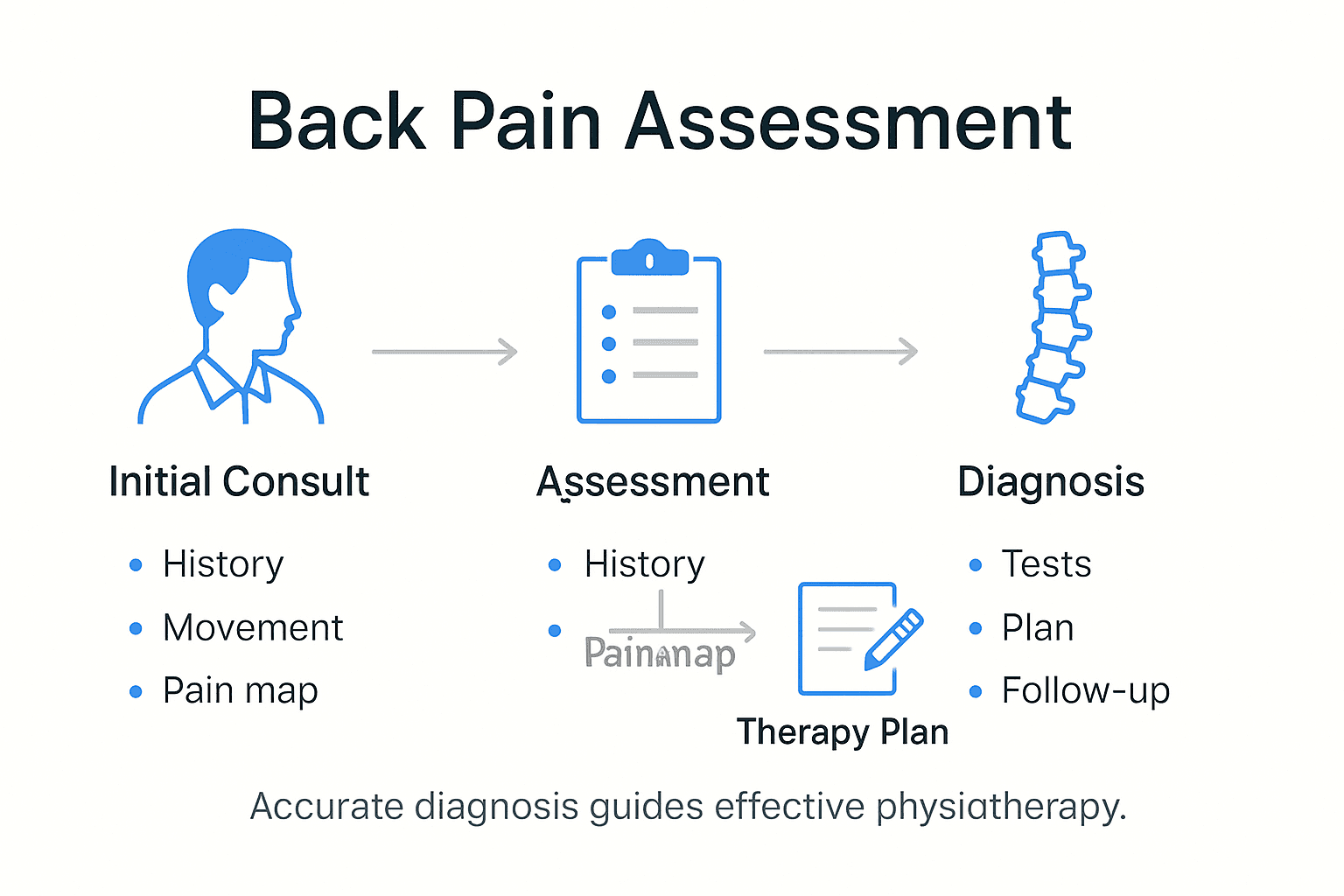
The assessment begins with a detailed patient history and comprehensive physical examination. Physiotherapists conduct in-depth interviews to understand the pain’s origin, duration, intensity, and potential triggers. They examine movement patterns, assess joint mobility, muscle strength, neurological responses, and functional limitations. Special diagnostic techniques like range of motion tests, provocative tests, and postural analysis help identify the underlying mechanisms contributing to back pain, whether stemming from muscular imbalances, joint dysfunction, nerve impingement, or structural misalignments.
Key components of a comprehensive physiotherapy pain assessment include:
Patient History:
Detailed pain characteristics
Previous injuries or medical conditions
Lifestyle and occupational factors
Emotional and psychological impacts
Physical Examination:
Postural analysis
Range of motion testing
Muscle strength evaluation
Neurological screening
Palpation and manual assessment
Functional movement assessment
Pro tip: Prepare a comprehensive list of your symptoms, pain history, and any relevant medical documents to help your physiotherapist conduct a more accurate initial assessment.
Evidence-Based Techniques for Lasting Recovery
Lasting back pain recovery requires a comprehensive, scientifically grounded approach that extends beyond traditional physical treatments. Research from Canadian physiotherapy studies highlights the critical importance of integrating multiple evidence-based techniques that address both physical and psychological dimensions of pain management.
Evidence-based physiotherapy techniques focus on holistic rehabilitation strategies that go beyond mere symptom management. These approaches include targeted exercise therapy designed to restore muscle strength, improve flexibility, and reestablish proper movement patterns. Manual therapy techniques such as joint mobilization, soft tissue manipulation, and precision-based therapeutic interventions play a crucial role in addressing biomechanical dysfunctions that contribute to persistent back pain.
Key evidence-based techniques for sustainable recovery encompass multiple interconnected strategies:
Physical Interventions:
Customized exercise prescription
Manual therapy techniques
Postural retraining
Biomechanical movement analysis
Targeted strength and flexibility training
Psychological Support Strategies:
Pain education
Stress management techniques
Cognitive behavioural approaches
Coping mechanism development
Resilience building
Pro tip: Commit to your rehabilitation program consistently and communicate openly with your physiotherapist about your progress and challenges to optimize your recovery journey.
Multidisciplinary Care and Patient Outcomes
Multidisciplinary care represents a sophisticated approach to back pain management, recognizing that effective treatment extends far beyond singular interventions. Comprehensive research on chronic low back pain interventions demonstrates that integrated treatment strategies involving multiple healthcare professionals can significantly improve patient outcomes, functional capacity, and overall quality of life.
In the context of back pain management, multidisciplinary care involves collaborative efforts from physiotherapists, chiropractors, massage therapists, pain specialists, and sometimes psychological health professionals. This holistic approach addresses the complex interconnections between physical symptoms, movement patterns, psychological well-being, and lifestyle factors. By combining expertise from different disciplines, practitioners can develop comprehensive treatment plans that target root causes rather than merely managing surface-level symptoms.
The following table summarizes the multidisciplinary professionals involved in optimal back pain management:
Professional | Core Role | Typical Contribution to Recovery |
Physiotherapist | Movement specialist | Prescribes exercises, manual therapy |
Chiropractor | Spinal alignment expert | Adjusts joints, supports posture |
Pain Specialist | Chronic pain management | Coordinates medication, interventional care |
Massage Therapist | Soft tissue expert | Relieves muscle tension, improves circulation |
Psychologist | Mental health support | Addresses anxiety, builds coping strategies |
Key components of effective multidisciplinary back pain management include:
Collaborative Professional Interactions:
Integrated treatment planning
Shared patient assessment
Regular interdisciplinary consultations
Coordinated rehabilitation strategies
Continuous progress monitoring
Patient-Centered Approach:
Personalized treatment protocols
Comprehensive health assessments
Holistic symptom management
Lifestyle and ergonomic recommendations
Long-term recovery planning
Pro tip: Request a comprehensive consultation that includes perspectives from multiple healthcare professionals to ensure a thorough understanding of your back pain’s underlying mechanisms.
When to Seek Physiotherapy in Ottawa
Recognizing the right time to seek physiotherapy can be pivotal in preventing long-term back pain complications and achieving optimal recovery. Understanding the nuanced signs that indicate professional intervention is necessary helps Ottawa residents make informed healthcare decisions. Learning how to choose physiotherapy for optimal pain relief becomes crucial in managing musculoskeletal health effectively.
There are several key indicators that suggest it’s time to consult a physiotherapist. Persistent pain lasting more than a few weeks, pain that radiates down the legs, sudden sharp pain during movement, or discomfort that interrupts daily activities are clear signals requiring professional assessment. Additionally, recurring back pain after sitting for extended periods, difficulty performing routine tasks, limited range of motion, and unexplained muscle weakness or numbness warrant immediate physiotherapeutic intervention.
Specific scenarios that strongly recommend seeking physiotherapy include:
Acute Pain Situations:
Sudden sports or workplace injuries
Post-surgical rehabilitation needs
Traumatic muscle or joint strains
Whiplash or impact-related injuries
Chronic Condition Indicators:
Recurring back pain lasting over 12 weeks
Progressive mobility limitations
Persistent stiffness and discomfort
Postural misalignment symptoms
Unresolved pain from previous treatments
Pro tip: Don’t wait for pain to become unbearable; early physiotherapy intervention can prevent minor issues from developing into complex, long-term musculoskeletal problems.
Take Control of Your Back Pain with Expert Physiotherapy in Ottawa
Back pain can disrupt your daily life and cause frustration at every turn. Whether you are dealing with acute strain, chronic discomfort, or nerve-related radicular pain, finding an effective solution is essential. Our team at Integrate Ottawa understands the complexities of back pain management. We offer personalized, evidence-based physiotherapy treatments designed to restore mobility, reduce pain, and improve quality of life through targeted exercise therapy, manual techniques, and patient education.
Don’t let back pain hold you back any longer. Start your healing journey today by connecting with our multidisciplinary experts at Integrate Ottawa. Discover how collaborative care involving physiotherapy, chiropractic support, and massage therapy can provide comprehensive relief. Book your appointment now to experience patient-centred care that prioritizes lasting recovery and empowers you with the tools to manage your back pain effectively.
Frequently Asked Questions
What is physiotherapy and how does it help relieve back pain?
Physiotherapy is an evidence-based approach focused on managing back pain through targeted interventions, including manual therapy, exercise prescription, and patient education. It aims to restore mobility, alleviate discomfort, and enhance overall musculoskeletal function.
When should I seek physiotherapy for back pain?
You should seek physiotherapy if you experience persistent pain lasting more than a few weeks, pain that radiates down your legs, sudden sharp pain during movement, or discomfort that interferes with daily activities. Early intervention can prevent long-term complications.
What are the different types of back pain and their treatment approaches?
Back pain can be categorized into acute, subacute, chronic, and radicular pain syndromes. Each type has unique treatment strategies, from gentle mobility exercises for acute pain to comprehensive rehabilitation for chronic pain, including strength training and psychological support.
How do physiotherapists assess and diagnose back pain?
Physiotherapists conduct a thorough patient history review and physical examination, assessing pain characteristics, movement patterns, muscle strength, and neurological responses. They use various diagnostic techniques to identify the underlying causes of back pain and tailor treatment plans accordingly.
Recommended
Comments