

7 Ways to Prevent Sports Injuries Naturally for Athletes
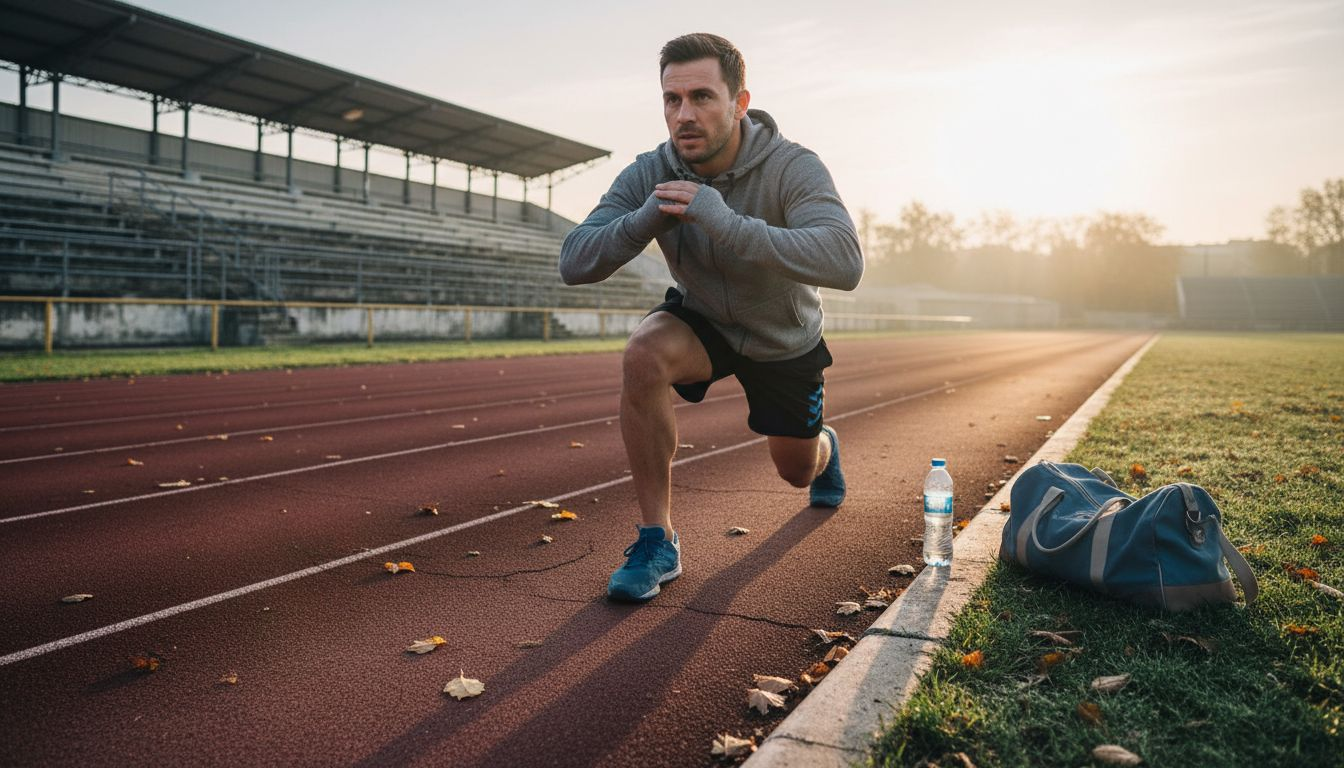
Nearly one in three Canadian athletes faces preventable injuries every season. For active individuals in Ottawa, striking the balance between safer training and improved athletic performance is not just a goal but a daily challenge. Evidence-backed practices can minimize risk, protect your body, and sharpen your results whether you are on the pitch, court, or track.
Table of Contents
Quick Summary
Takeaway | Explanation |
1. Always warm up properly | Invest 10 to 20 minutes in dynamic stretching and sport-specific movements to prepare your body and reduce injury risks. |
2. Master your sport’s technique | Understanding correct biomechanics is essential for performance and lowering injury risk; seek professional guidance to refine your skills. |
3. Use appropriate protective gear | Ensure your equipment is well-fitted and sport-specific to prevent injuries and enhance safety during activities. |
4. Prioritize strength and flexibility training | Integrating resistance training and flexibility exercises builds muscle support and reduces the risk of injury while boosting performance. |
5. Pay attention to your body’s signals | Recognize pain and fatigue as warning signs; rest and strategic recovery can prevent minor issues from escalating into serious injuries. |
1. Warm Up Properly Before Every Activity
A proper warm up is your body’s essential preparation strategy before any athletic performance. Athletes who invest 10 to 20 minutes in comprehensive warm up routines significantly reduce their risk of potential injuries while optimizing physical readiness.
Warming up helps prepare your muscles and joints for intense physical activity by gently increasing blood flow and flexibility. Dynamic stretching techniques are particularly effective in priming your body for sport specific movements. This process involves gradually elevating your heart rate, increasing body temperature, and activating the specific muscle groups you will use during your athletic performance.
A well-structured warm up typically includes three key components: aerobic activity, dynamic stretching, and sport specific movements. Begin with light cardiovascular exercises like jogging or marching in place to increase blood circulation. Then transition into dynamic stretches that mimic the movements of your specific sport. For instance, a soccer player might perform leg swings and lateral movements, while a basketball player could incorporate jumping and quick directional changes.
Research from safe sport training guidelines indicates that a comprehensive warm up not only prevents injuries but also enhances overall athletic performance. By gradually preparing your body, you improve muscle elasticity, joint mobility, and mental focus.
Pro tip: Spend at least 10 minutes warming up and focus on movements that directly relate to your specific sport or activity, ensuring each muscle group receives proper attention before intense exercise.
2. Use the Right Technique for Your Sport
Every athlete knows that technique can make or break performance while significantly impacting injury risk. Proper biomechanical techniques are crucial for maintaining safe and effective athletic movements.
Understanding and executing the correct technique for your specific sport involves more than just mimicking professional athletes. It requires a deep comprehension of body mechanics, muscle engagement, and sport specific movement patterns. Different sports demand unique technical approaches that help distribute physical stress appropriately and minimize unnecessary strain on joints and muscles.
Sport Specific Technique Considerations:
Running: Maintain proper posture with aligned spine and engage core muscles
Swimming: Focus on streamlined body position and efficient stroke mechanics
Weightlifting: Learn precise form before increasing weight or intensity
Team Sports: Practice coordinated movements that protect your body during complex interactions
Athletes who invest time in learning correct techniques can significantly reduce their injury potential while simultaneously improving overall performance. This involves working with qualified coaches, attending technical workshops, and consistently practicing foundational movement patterns.
Pro tip: Record yourself performing sport specific movements and compare your technique with professional instructional videos to identify areas for improvement and potential injury risks.
3. Wear Proper Protective Equipment
Protective equipment serves as your body’s first line of defence against potential sports injuries. Correctly fitted protective gear dramatically reduces the risk and severity of athletic injuries.
Not all protective equipment is created equal. Each sport requires specific gear tailored to its unique physical demands and potential injury risks. Understanding how to select and properly fit your equipment can mean the difference between staying in the game and nursing a serious injury.
Essential Protective Equipment Considerations:
Helmets: Must fit snugly with no side movement
Padding: Sport specific and sized to individual body structure
Footwear: Provide appropriate support for specific athletic movements
Mouth Guards: Custom fitted for maximum protection
Protective Eyewear: Impact resistant and sport appropriate
Your protective gear should feel like a second skin preventing potential injuries through strategic design and precise fit. Professional athletes invest significant time ensuring their equipment meets exact safety standards perfect to their body type and sport.
Consider consulting with sport specific experts who can help you select gear that offers optimal protection while maintaining your performance potential. Remember that equipment loses effectiveness over time and should be regularly inspected and replaced.
Pro tip: Invest in professional equipment fitting services and replace protective gear annually or after significant impact to ensure maximum safety and performance protection.
4. Incorporate Strength and Flexibility Training
Strength and flexibility training represent the foundation of injury prevention for athletes across all disciplines. Comprehensive conditioning programs strategically develop muscles to support joints and enhance overall athletic performance.
The human body functions as an interconnected system where muscular strength and joint flexibility work together to protect against potential injuries. By systematically developing muscle groups through targeted exercises, athletes can create natural protective mechanisms that reduce strain and minimize injury risks.
Key Components of Effective Training:
Resistance Training: Build muscle strength and joint stabilization
Dynamic Stretching: Improve range of motion and muscle elasticity
Core Strengthening: Develop foundational muscle support
Balance Exercises: Enhance neuromuscular coordination
Progressive Overload: Gradually increase exercise intensity
Athletes who implement progressive strength training can significantly reduce their injury potential while simultaneously improving overall athletic performance. This approach allows muscles and ligaments to adapt systematically to increasing physical demands.
Pro tip: Consult with a sports physiotherapist to develop a personalized strength and flexibility training program tailored specifically to your athletic goals and body mechanics.
5. Listen to Your Body and Rest When Needed
Athletes often mistake pushing through pain as a sign of strength. Understanding your body’s signals is crucial for preventing serious sports injuries and maintaining long term athletic performance.
Your body communicates through pain, fatigue, and subtle discomfort signals that should never be ignored. These warning signs are not weaknesses but intelligent mechanisms designed to protect you from potential injury and long term physical damage.
Warning Signs That Demand Attention:
Sharp or persistent pain during activity
Unusual muscle weakness or instability
Decreased range of motion
Prolonged muscle soreness beyond normal recovery
Recurring joint discomfort
Proper recovery techniques involve understanding the difference between normal training stress and potential injury risk. Athletes who learn to distinguish these signals can prevent minor issues from escalating into significant health problems.
Resting does not mean complete inactivity. Strategic recovery might involve lighter training, cross training, or focused rehabilitation exercises that maintain fitness while allowing specific muscle groups to heal and regenerate.
Pro tip: Maintain a training journal to track your body’s responses, allowing you to identify patterns of fatigue and potential injury risks before they become serious.
6. Stay Hydrated and Maintain Good Nutrition
Nutrition and hydration are the fundamental fuel systems that power athletic performance and injury prevention. Proper hydration strategies can dramatically improve your body’s ability to perform and recover.
Water is not just a beverage it is a critical physiological resource that supports multiple body functions. Each cell muscle and organ relies on optimal hydration to function efficiently preventing fatigue muscle cramps and potential injury risks.
Essential Hydration and Nutrition Guidelines:
Drink water consistently throughout the day
Consume electrolyte rich beverages during intense activities
Balance macronutrients protein carbohydrates and healthy fats
Eat nutrient dense whole foods
Time meals and hydration around training schedules
Sports nutrition recommendations suggest that athletes should view nutrition as a strategic performance enhancement tool. Understanding how different nutrients impact muscle recovery joint health and overall athletic resilience is crucial for long term success.
The quality of your nutrition directly influences your body’s ability to repair muscle tissue prevent inflammation and maintain optimal energy levels. Athletes who prioritize whole food nutrition and consistent hydration create a powerful foundation for injury prevention and peak performance.
Pro tip: Develop a personalized hydration plan by tracking your daily water intake and adjusting based on activity level climate and individual body responses.
7. Seek Help from Qualified Health Professionals
Professional healthcare guidance is the cornerstone of intelligent injury prevention and athletic performance management. Sports injury management requires nuanced expertise that goes beyond basic treatment protocols.
Qualified health professionals such as physiotherapists sports medicine physicians and chiropractic specialists offer comprehensive insights into your body’s unique biomechanical landscape. These experts can identify potential injury risks assess movement patterns and develop personalized strategies that generic advice cannot provide.
Benefits of Professional Health Consultation:
Comprehensive injury risk assessment
Personalized biomechanical analysis
Targeted rehabilitation strategies
Advanced diagnostic techniques
Performance optimization recommendations
Professional healthcare practitioners do more than treat existing conditions. They serve as proactive partners in your athletic journey helping you understand your body’s specific strengths limitations and potential vulnerabilities.
Early intervention and professional guidance can prevent minor issues from developing into significant long term athletic setbacks. Regular check ups consultations and professional assessments create a robust foundation for sustained athletic performance and injury prevention.
Pro tip: Schedule an annual comprehensive sports health assessment to create a baseline understanding of your physical condition and potential areas requiring targeted attention.
Below is a comprehensive table summarizing the main points regarding strategies to prevent sports-related injuries as discussed in the article.
Aspect | Details | Benefits |
Proper Warm Up | Involves aerobic activity, dynamic stretches, and sports-specific movements before athletic activity. | Prepares the body for performance, enhances muscle elasticity, reduces injury risks. |
Correct Technique | Understand and utilise the biomechanical techniques appropriate for the specific sport. | Reduces unnecessary strain, improves performance. |
Protective Equipment | Select and wear properly fitting gear specific to the sport, such as helmets, footwear, and eyewear. | Shields against physical injuries, enhances safety. |
Strength & Flexibility Training | Develops supportive muscle strength and facilitates joint flexibility with structured training. | Decreases risk of strains and injuries, boosts athletic ability. |
Rest and Body Awareness | Acknowledge signs like persistent pain and fatigue; include rest and recovery periods. | Prevents overuse injuries, promotes long-term physical health. |
Hydration and Nutrition | Maintain consistent hydration and balanced nutrition to support athletic activities. | Enhances energy levels, minimizes physical and muscular stress. |
Consult Professionals | Work with physiotherapists and sports medicine experts for assessments and personalized improvement plans. | Provides tailored guidance and proactive injury management. |
This table consolidates the strategies and approaches an athlete should incorporate for effective injury prevention and enhanced athletic performance.
Protect Your Athletic Future with Expert Musculoskeletal Care
Injuries can sideline even the most dedicated athletes. This article highlights key challenges such as proper warm up, technique, protective equipment, and listening to your body’s signals to prevent sports injuries naturally. If you want to move beyond basic prevention and address pain or risk factors with evidence-based care, it is essential to seek professionals who understand your sport’s demands and your body’s unique needs.

At Integrate Ottawa, our team-based approach combines physiotherapy, chiropractic care, and specialised treatments tailored to athletes like you. Whether you require help with strength and flexibility training strategies, injury recovery, or concussion management, our experts ensure you get personalised support aimed at long-term performance and wellness. Don’t wait for pain to interrupt your training schedule. Visit our clinic today and book a consultation to safeguard your health and enhance your athletic potential now.
Frequently Asked Questions
How can I warm up properly to prevent sports injuries?
A proper warm-up should last 10 to 20 minutes and include light cardiovascular activities, dynamic stretching, and sport-specific movements. Start with jogging or marching in place to get your blood flowing, then perform stretches that mimic your sport’s movements, ensuring that each muscle group is prepared before intense activity.
What techniques should I focus on to reduce my risk of injury while playing sports?
Focusing on the correct technique for your sport is essential for injury prevention. Spend time learning proper biomechanics and body mechanics specific to your activity to help distribute physical stress evenly and prevent strain on joints and muscles.
How do I choose the right protective equipment for my sport?
Selecting the right protective gear involves understanding the specific requirements of your sport and ensuring a proper fit. Consult with experts to find helmets, padding, footwear, and other equipment that suit your body and provide maximum protection against injuries.
What type of training should I incorporate to enhance strength and flexibility?
Incorporate a mix of resistance training, dynamic stretching, core strengthening, and balance exercises into your routine. A balanced training program focusing on these areas can significantly reduce the risk of injury and improve overall performance by building muscle strength and joint stability.
How can I tell when it’s time to rest and recover?
Pay attention to your body’s signals, such as sharp pain, unusual weakness, or prolonged muscle soreness, which indicate that it may be time to rest. Keep a training journal to track your body’s responses and set aside recovery time whenever you notice these signs, allowing your body to heal and regroup effectively.
What nutritional strategies can help in preventing sports injuries?
Maintaining proper hydration and consuming a balanced diet rich in whole foods is vital for injury prevention. Aim to drink water consistently throughout the day and include nutrient-dense foods with a balance of proteins, carbohydrates, and healthy fats, supporting your body’s recovery and resilience for sporting activities.
Recommended
Comments